AI vs. Old School: Finding the Perfect Image for Your Design Project
A comparison between AI-generated visuals and traditional image sourcing — which method saves more time, and which delivers the better creative control?
A comparison between AI-generated visuals and traditional image sourcing — which method saves more time, and which delivers the better creative control?
Every designer knows the struggle: finding that one perfect image to bring a project to life.
Whether it’s for a brand presentation, blog article, or social post, the right visual can make or break the message.
“But now, with AI image generation tools like Midjourney, DALL·E 3, and Adobe Firefly, designers face a new question: Should I generate my visuals, or spend time searching for them online?”
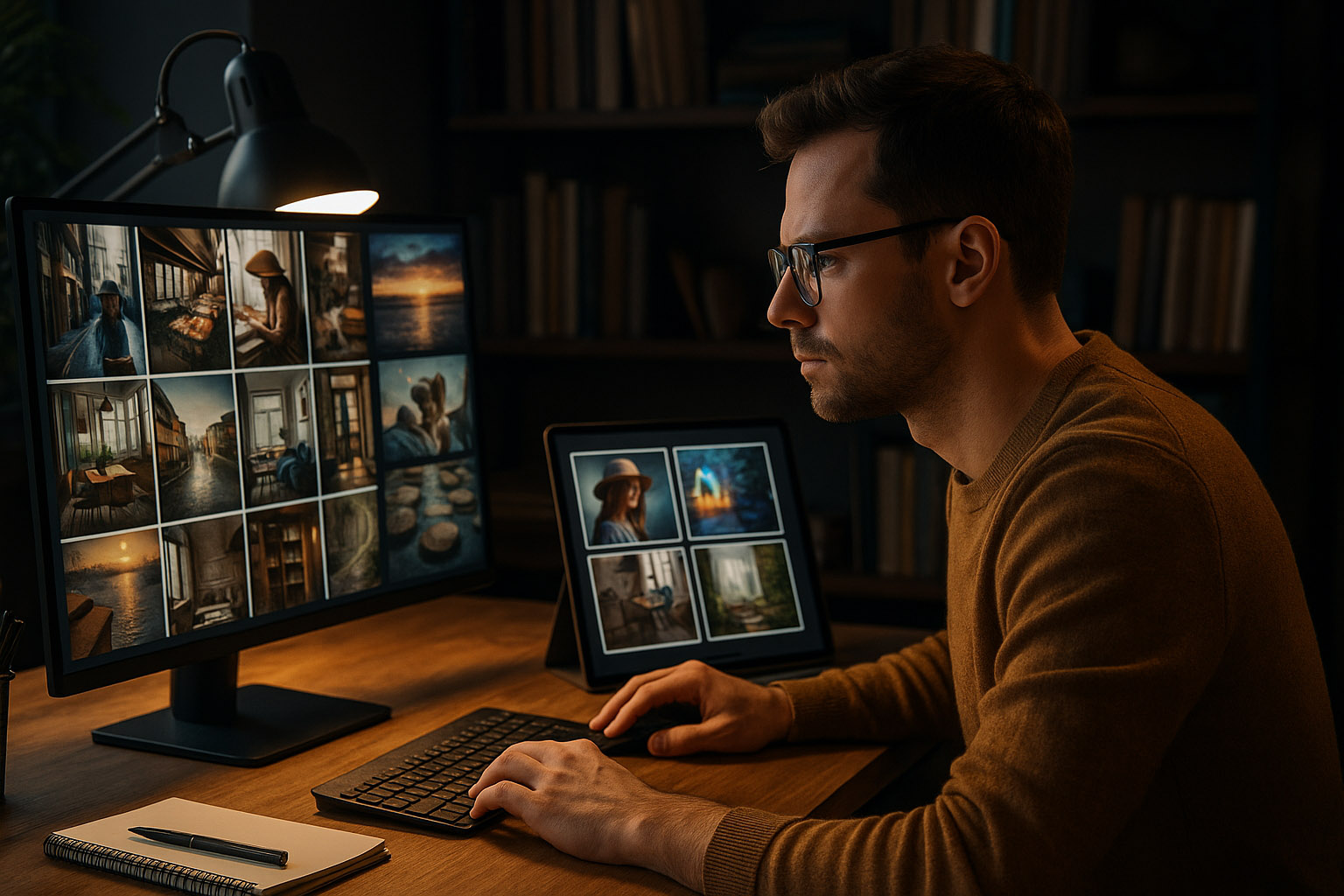
For decades, stock photography was the main visual resource for designers. Websites like Unsplash, Pexels, and Shutterstock became creative libraries — but also creative traps.
Unknown insight:
A 2021 Adobe survey found that designers spend up to 22% of project time sourcing visuals, often across multiple stock platforms. Many report “creative fatigue” from repetitive image browsing.
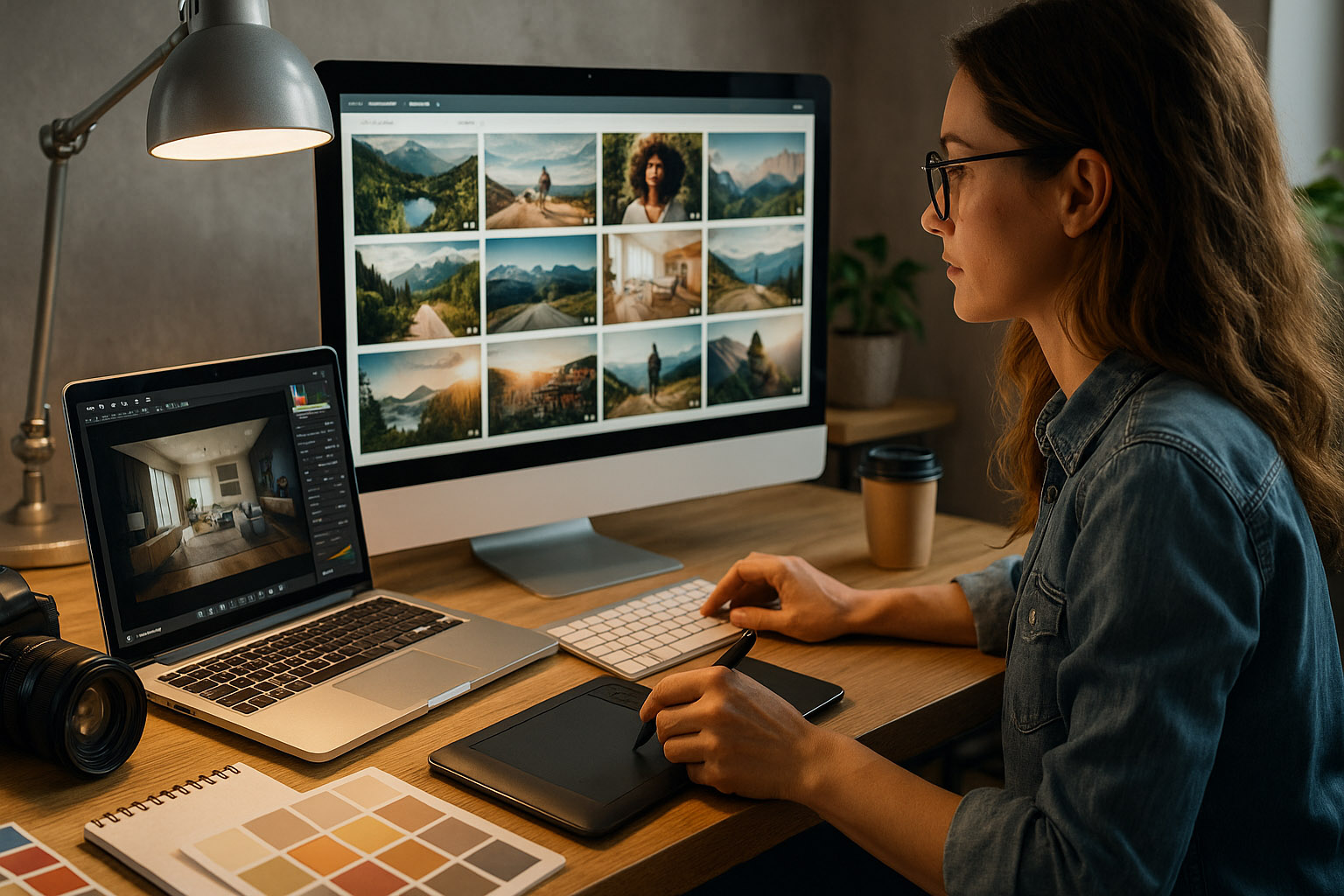
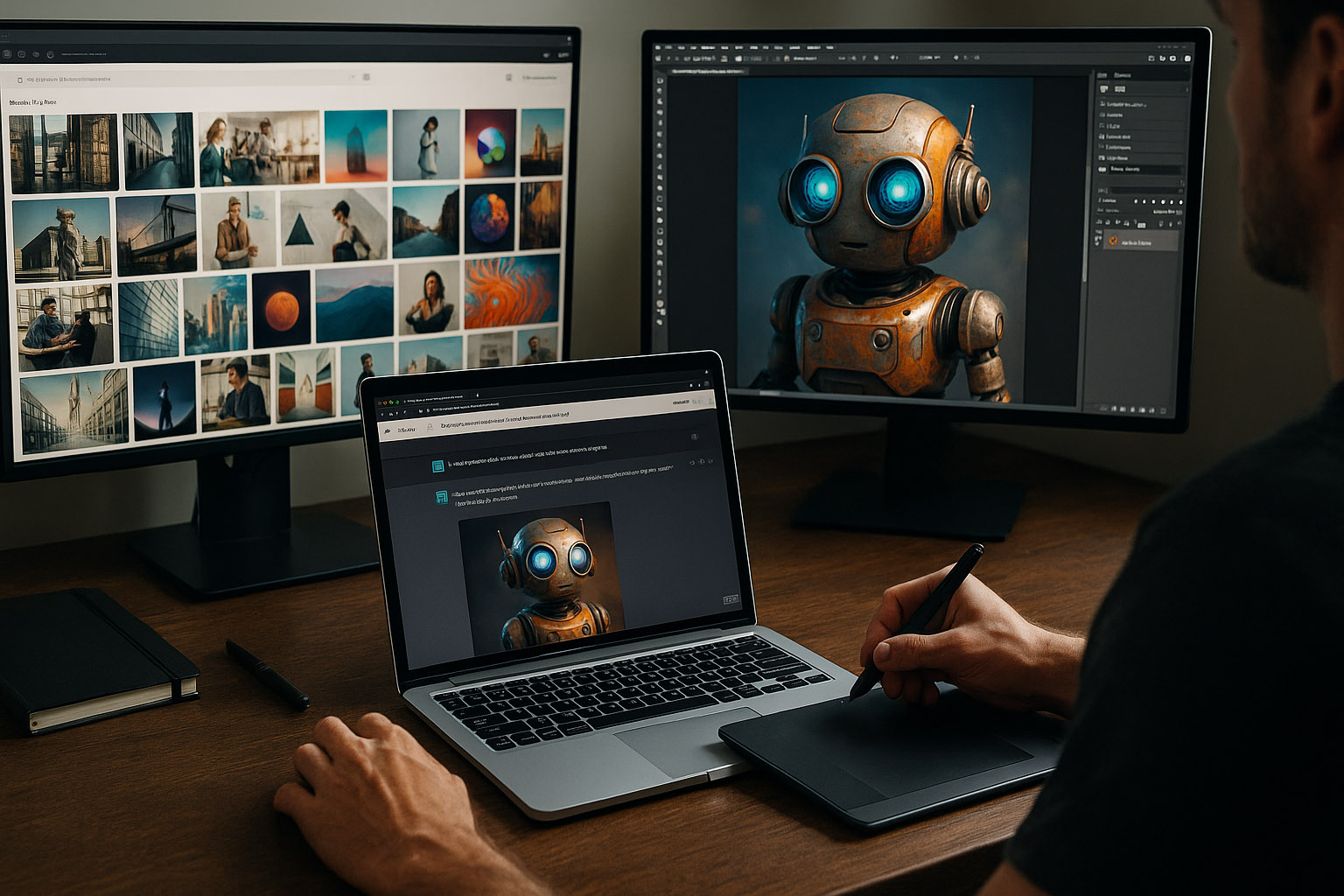
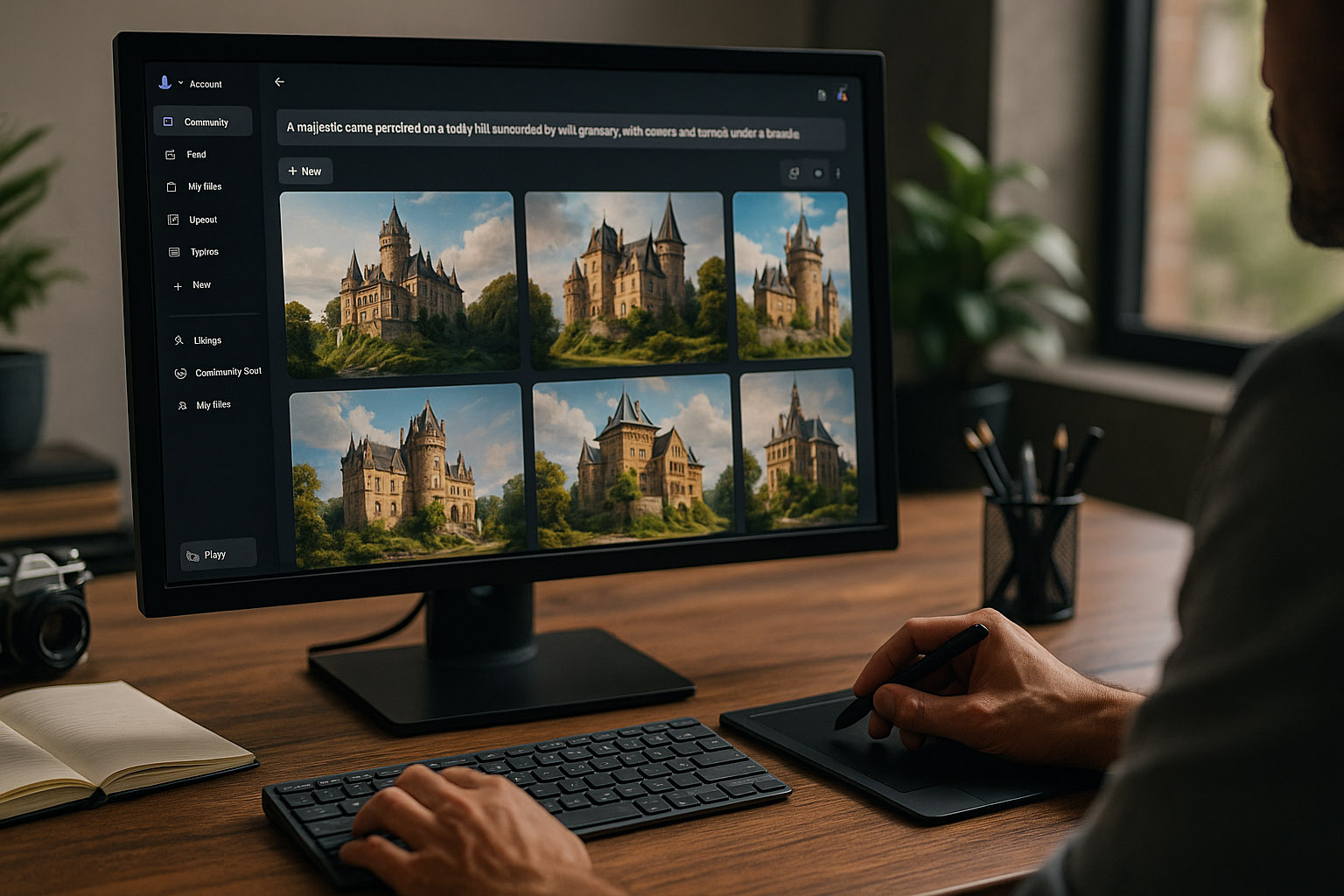
AI has introduced a faster — though not always easier — alternative. Instead of searching, designers can now describe what they want. Tools like Midjourney, Firefly, and Stable Diffusion XL translate prompts into unique, high-resolution visuals.
Interesting stat:
According to a 2024 study by Nielsen Norman Group, experienced AI users complete visual concepting 35–40% faster than those relying solely on stock libraries — but beginners spend more than double the time fine-tuning prompts before getting usable results.
| Workflow | Avg. Time | Post-Editing |
|---|---|---|
| Stock Photo Search | 30–90 min | Often |
| AI (Experienced) | 10–25 min | Sometimes |
| AI (Beginner) | 45–120 min | Frequent |
| Custom Photography | 1–3 days | Minimal |
Hidden truth:
Some creative agencies are now mixing both methods — using AI to generate composition mockups and then matching them with real photos for production-grade quality.
AI can produce beautiful images — but they often lack the subtle imperfections that make real photography relatable. Skin tones, reflections, and realistic details sometimes reveal their synthetic origins.
Professional retouchers note that AI-generated photos often fail realism tests at micro-detail level — such as finger shapes or light consistency — requiring Photoshop cleanup anyway.
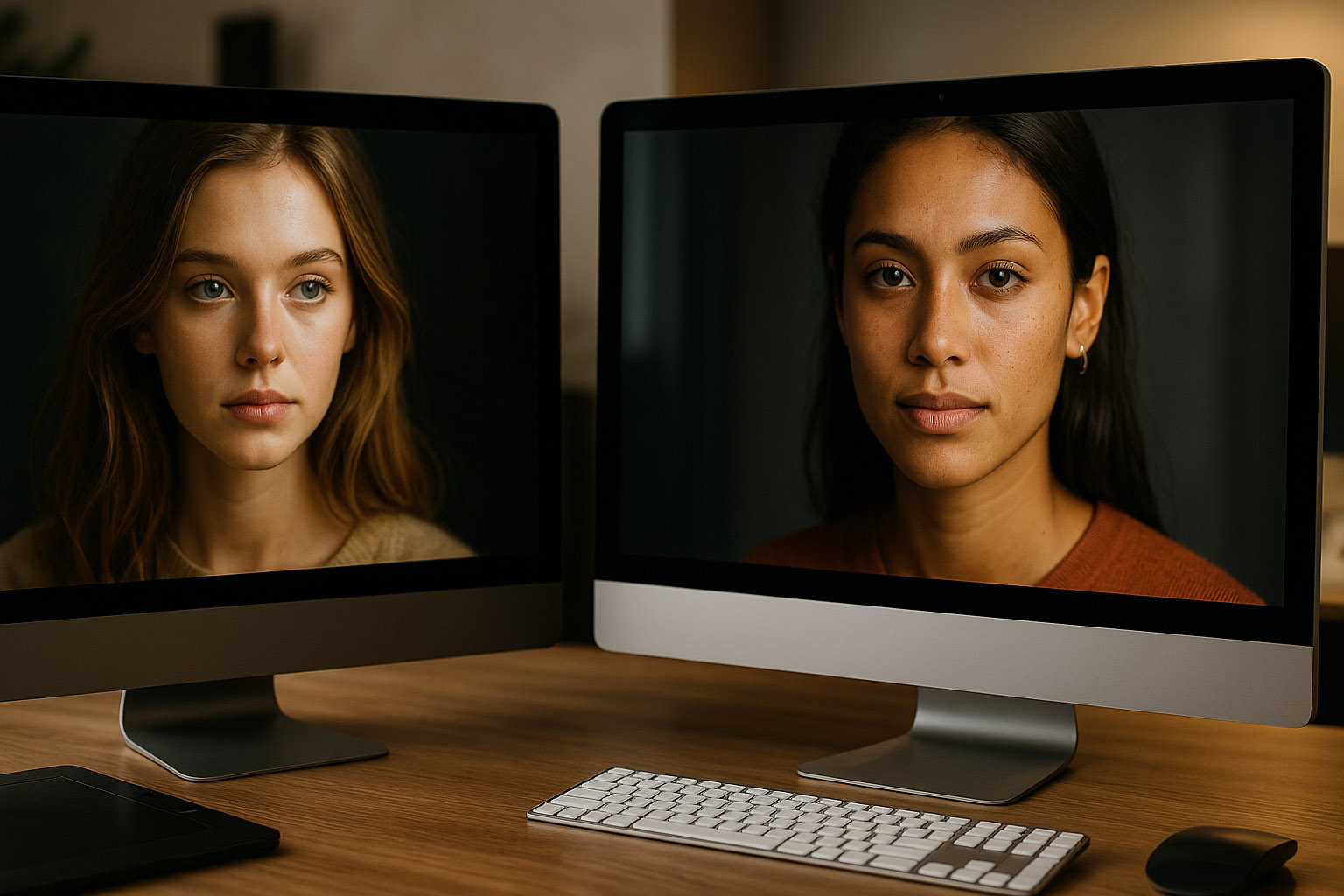
The next phase isn’t AI versus traditional — it’s AI + human curation.
Tools like Getty’s AI generator (trained only on licensed content) or Firefly with Adobe Stock integration hint at a hybrid system: fast creation without legal risks.
As designers grow more fluent in prompting and image editing, the process may become seamless — from ideation to final image, all within one tool.
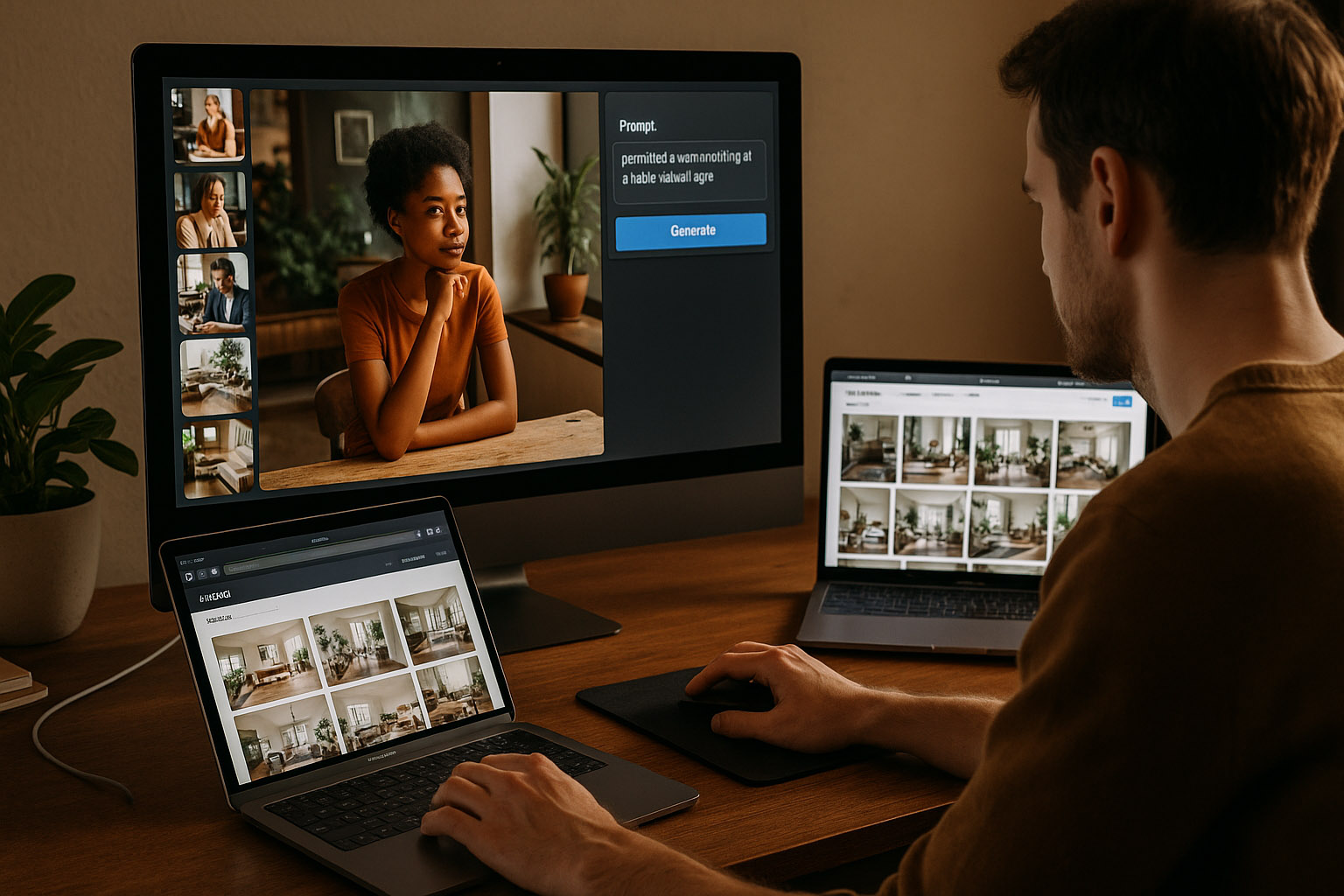
Both AI generation and old-school sourcing have their place.
If you value authentic realism and trust traditional workflows, stock libraries still shine.
If you need speed, flexibility, and creative control, AI can save hours — once you master it.
“Ultimately, the future of image sourcing isn’t about replacing humans with algorithms.
It’s about empowering designers to work faster, smarter, and more imaginatively — no matter how the picture is made.”
News, insights, case studies, and more from the rausr team — straight to your inbox.
Send us your brief, your wildest idea, or just a hello. We’ll season it with curiosity and serve back something fresh, cooked with care.