AI in Graphic Design: Revolution or Repetition?
Exploring the balance between automation and artistry — does AI really save time, or just change how we spend it?

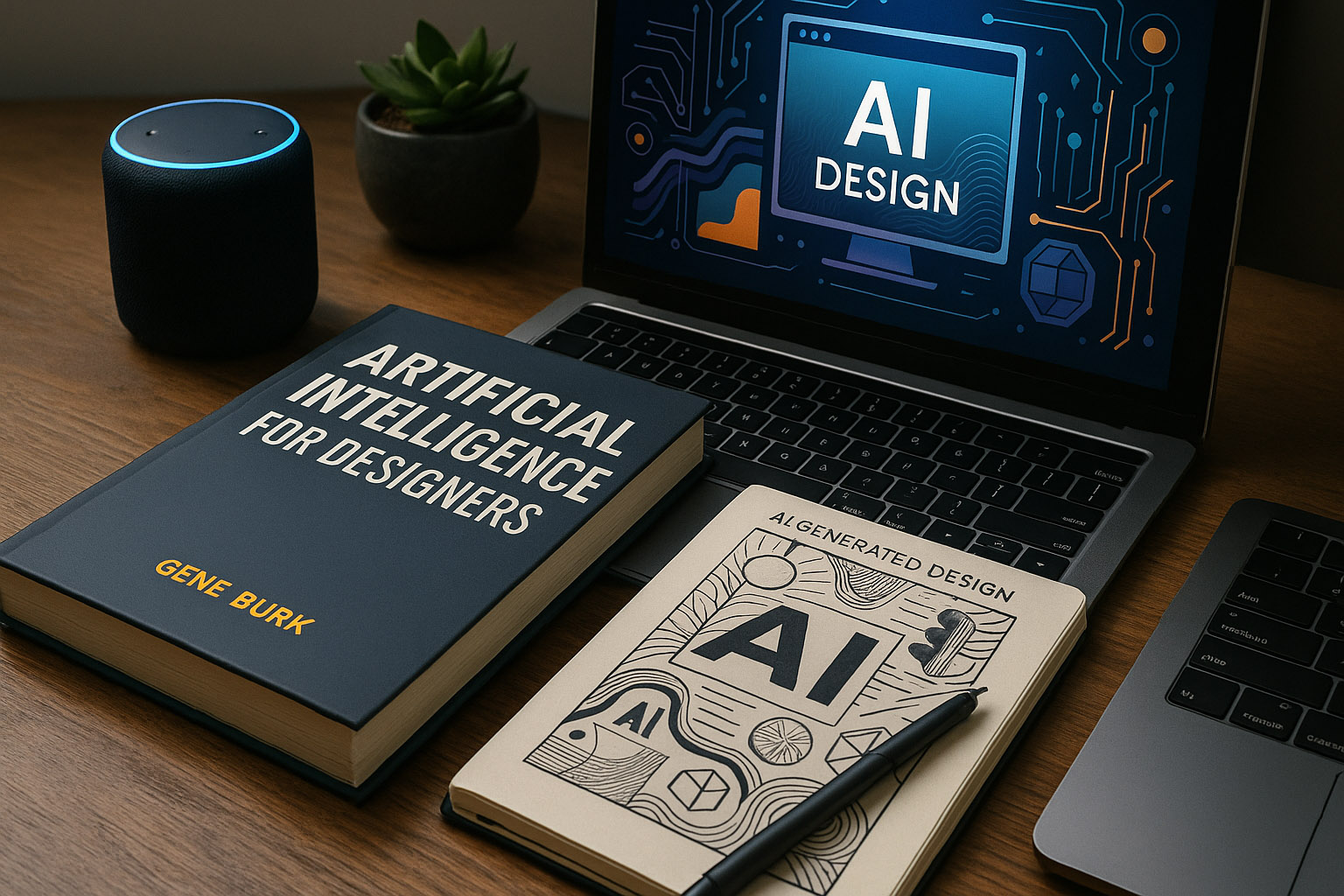
Exploring the balance between automation and artistry — does AI really save time, or just change how we spend it?
The integration of Artificial Intelligence (AI) into graphic design workflows has sparked vibrant discussions among creatives and technologists alike. As AI tools become increasingly sophisticated, designers face new opportunities and challenges. This article explores whether AI represents a true revolution in graphic design or simply a repetition of existing creative processes under a new guise.
“By examining the promises, realities, and nuanced impacts of AI, we aim to provide a balanced perspective grounded in recent research and industry insights.”
AI tools boast remarkable potential to accelerate design tasks, reduce costs, and enhance efficiency. From automating mundane operations like resizing and color matching to generating initial concepts and layouts, AI promises to free designers from repetitive work. Adobe Firefly and Figma’s AI integrations highlight how generative models can produce variations quickly, enabling rapid prototyping and iteration.
“For businesses, this can mean faster turnaround times and lower overhead, while designers can focus on higher-level creative decisions.”
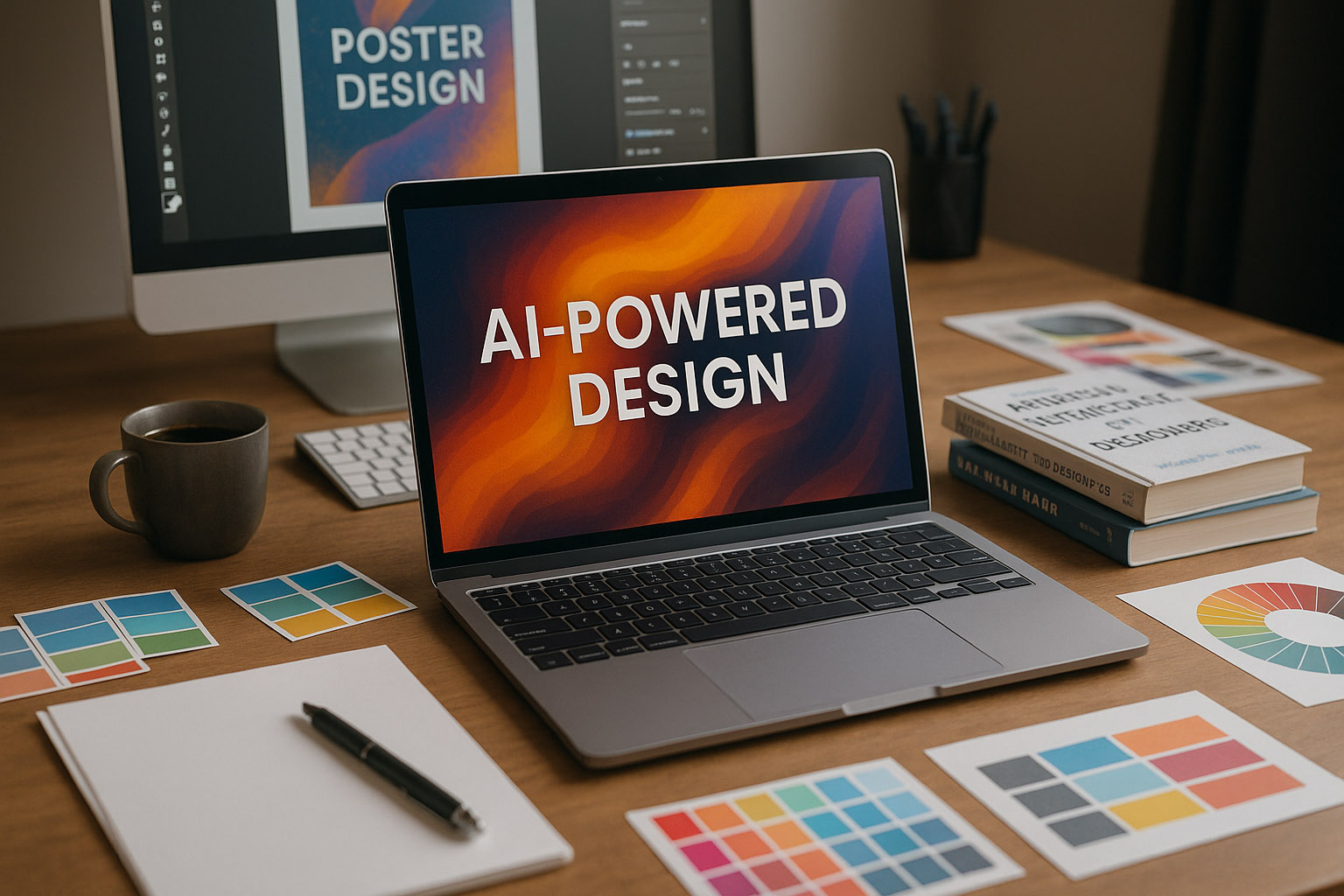
Despite these advantages, effective use of AI requires skillful prompting and critical evaluation. AI-generated outputs depend heavily on the quality of inputs and often lack the nuanced understanding of context and brand identity that human designers bring. Prompting can be time-consuming and iterative, sometimes offsetting initial time savings. Moreover, AI does not inherently understand design principles — it generates based on learned patterns, which may not always align with project goals or audience needs.
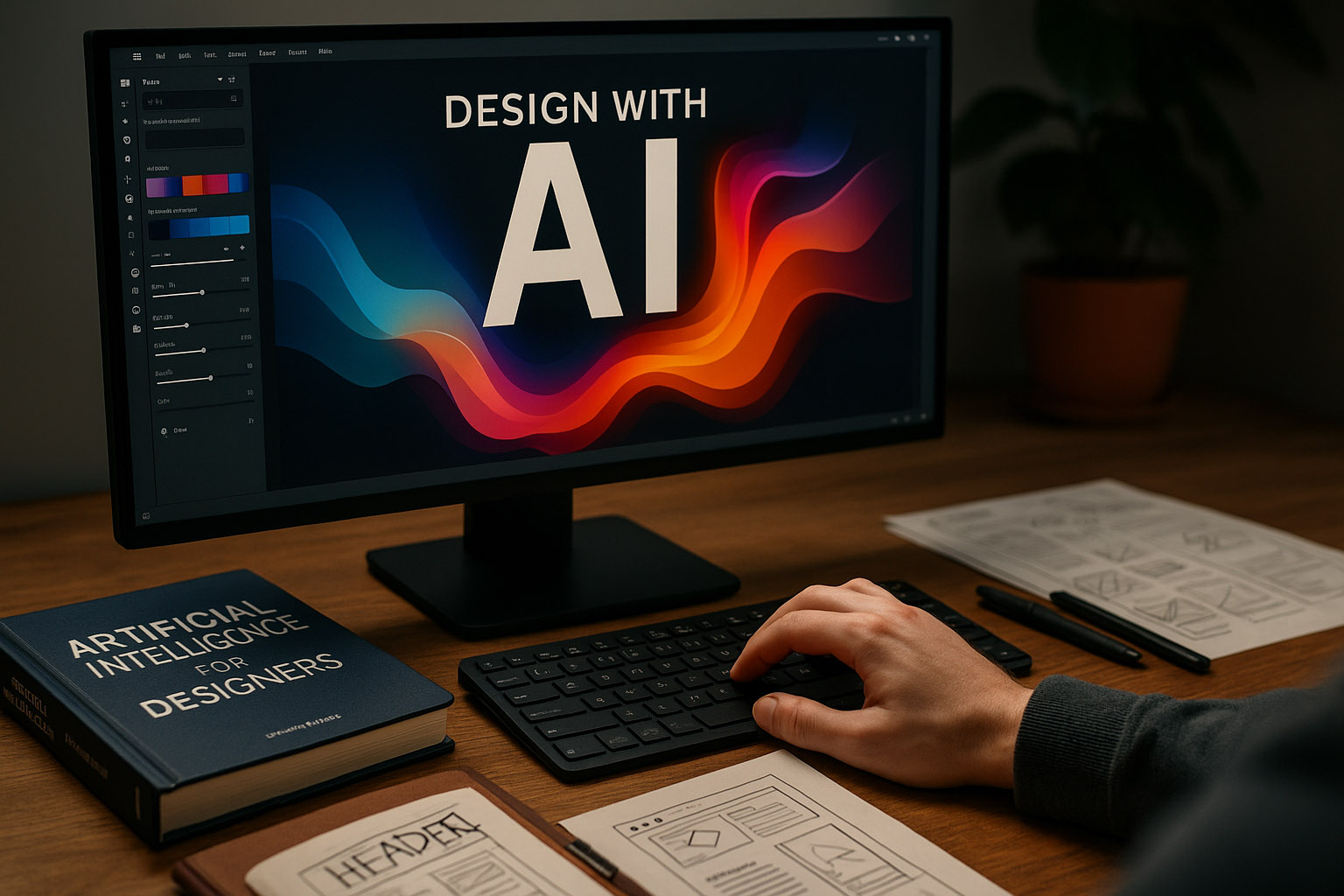
A central debate is whether AI fosters creativity or merely generates derivative content. While AI can produce novel combinations and variations, true creativity involves conceptual thinking, emotional resonance, and storytelling — areas where AI still falls short. Designers act as curators and interpreters, transforming AI-generated elements into meaningful narratives.
“The distinction between generation and creativity underscores the complementary rather than replacement role of AI in design.”
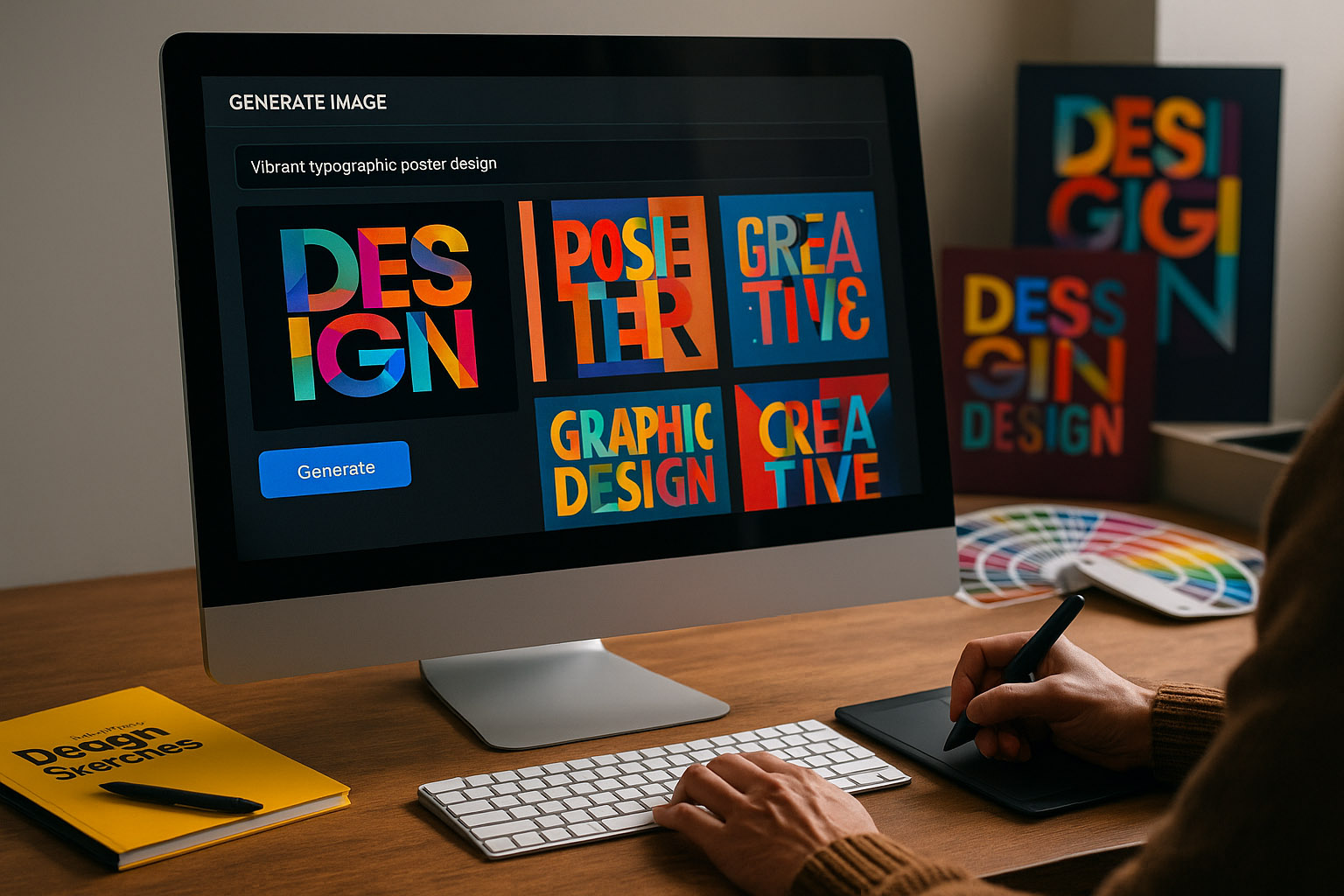
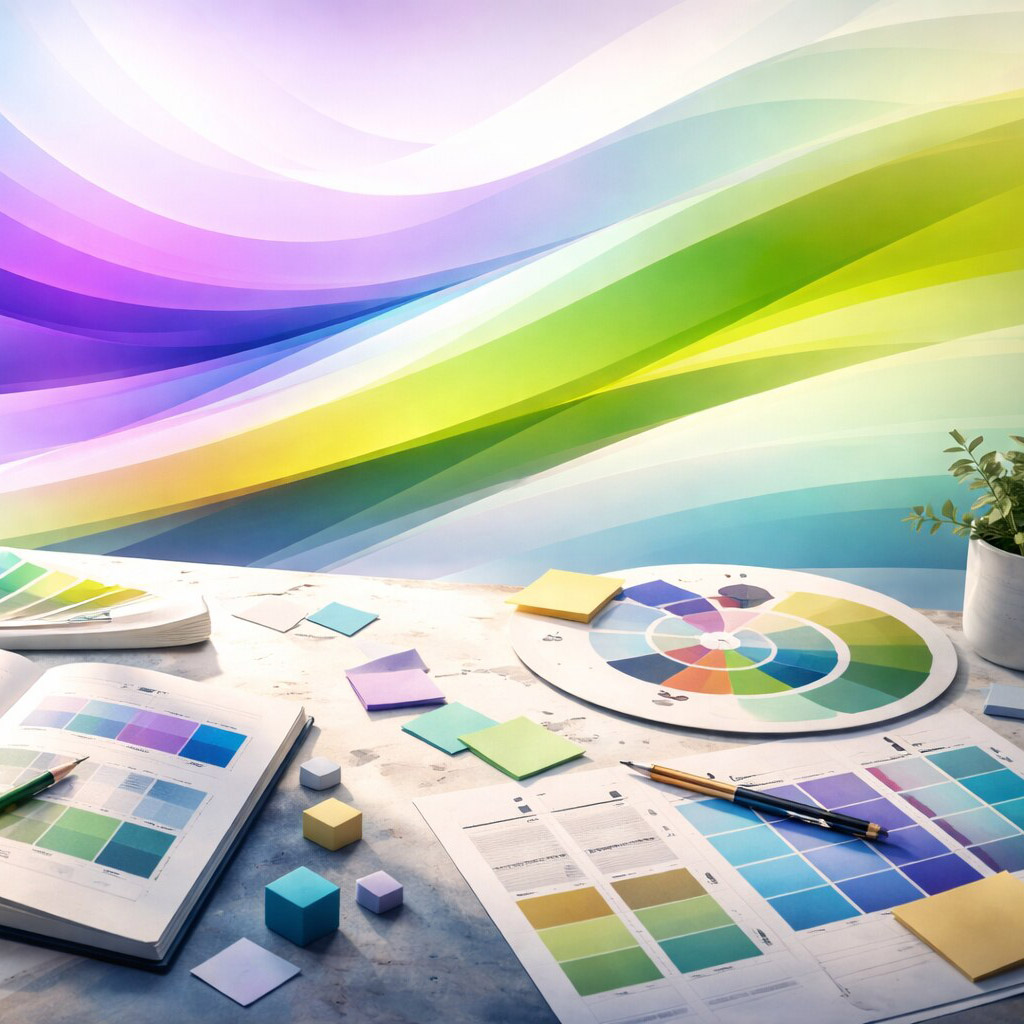
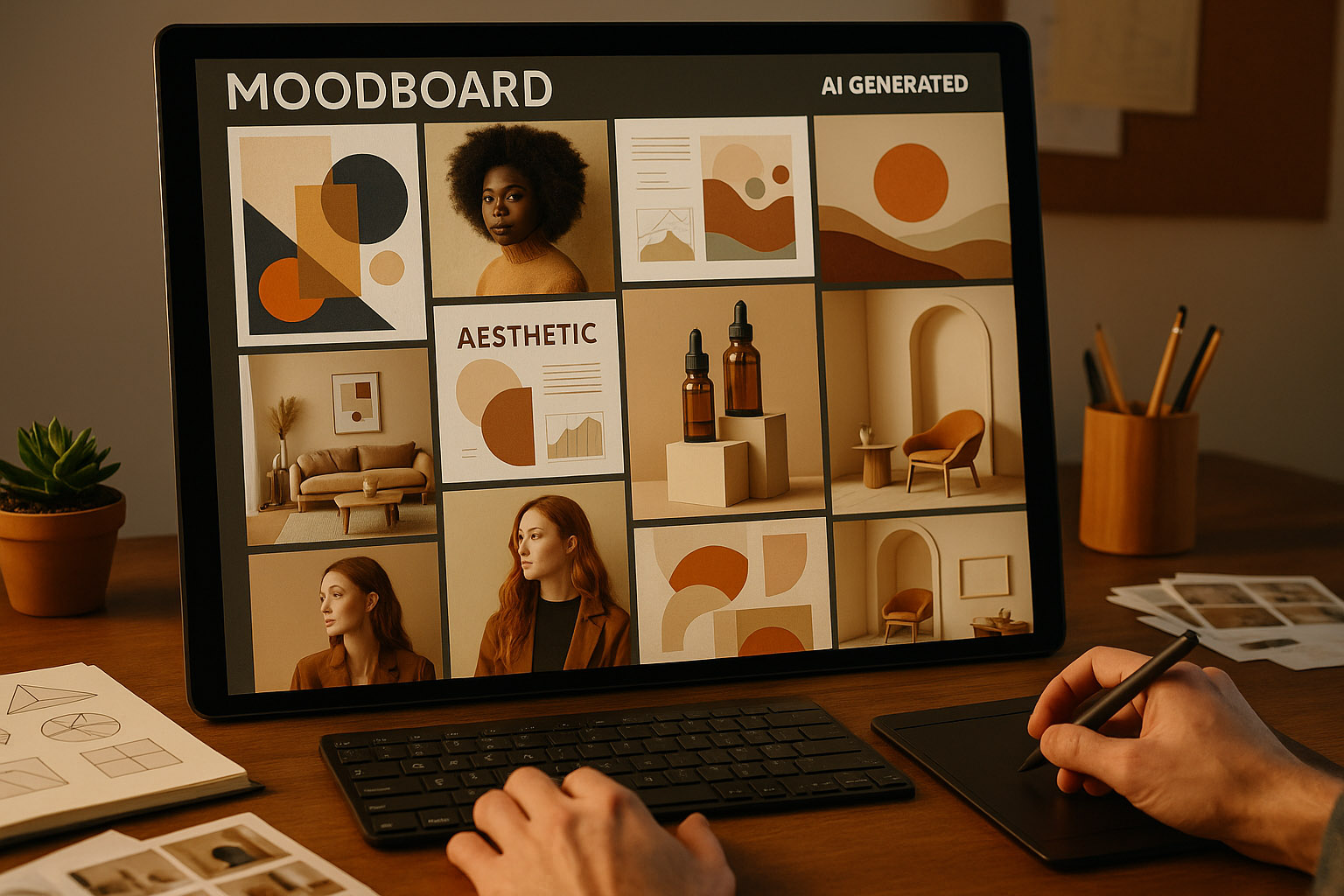
AI demonstrates particular strength in tasks like creating moodboards, illustrating content, and suggesting layouts. These applications benefit from AI’s ability to analyze large datasets and identify stylistic trends, providing designers with rich visual inspiration and structural options. For example, AI-assisted moodboards can quickly aggregate imagery aligned with a theme, while layout suggestions help maintain consistency and balance in complex projects.
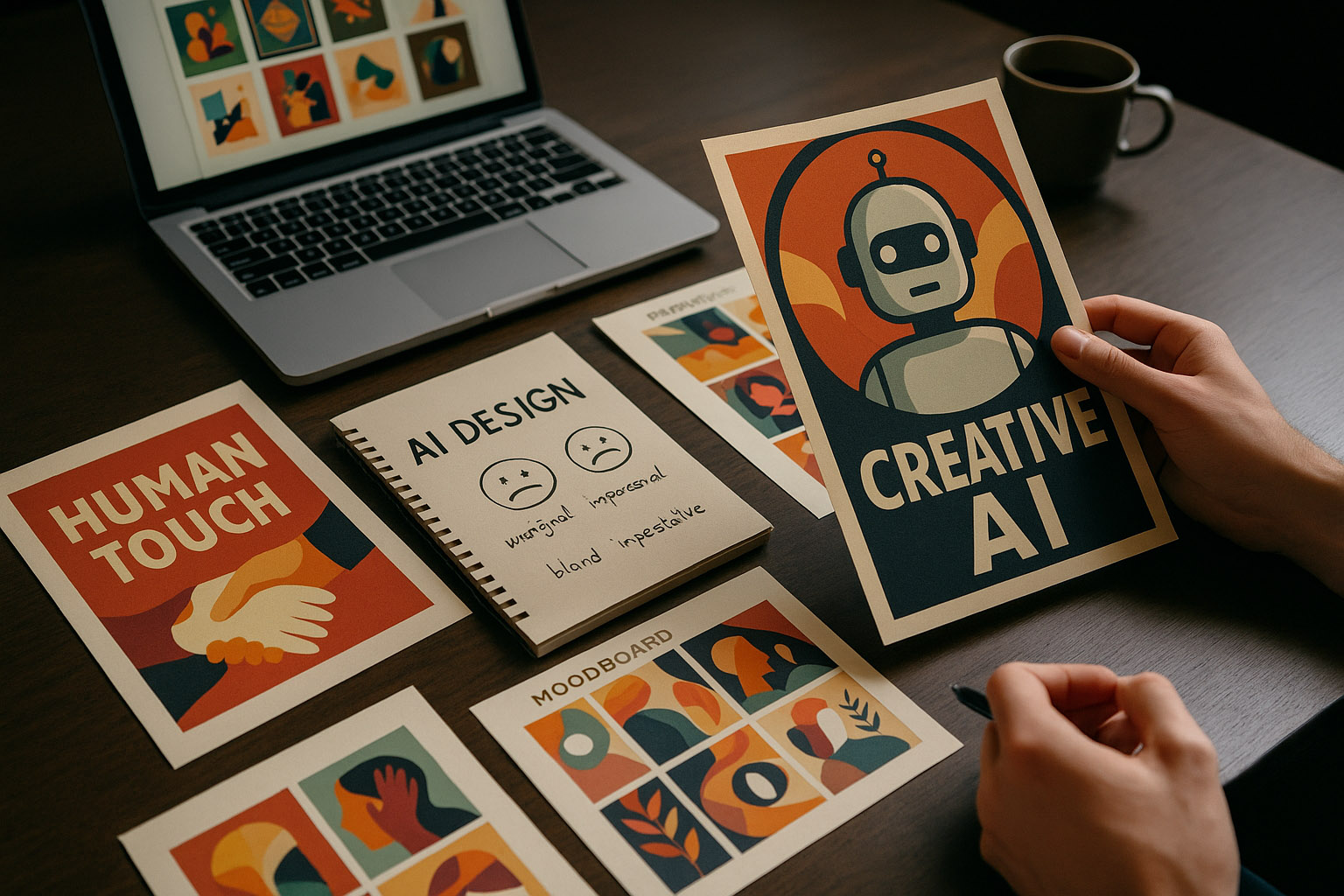
Conversely, AI struggles with originality, emotional depth, and storytelling. It often produces generic or formulaic outputs lacking the subtlety required to evoke specific feelings or cultural nuances. Story-driven design that connects deeply with audiences still relies heavily on human insight and empathy. Additionally, AI can perpetuate biases embedded in its training data, raising ethical concerns about representation and inclusivity.
The following table compares typical time investments for various design tasks with and without AI assistance, illustrating where AI offers measurable benefits and where gains are modest or uncertain.
| Task | Time Saved with AI | Notes |
|---|---|---|
| Poster Design | ~35% faster | AI speeds up initial concepts and iterations |
| Social Media Graphics | ~40% faster | Quick generation of variants and templates |
| Print Layouts | ~25% faster | AI aids layout suggestions but requires review |
| UI Design | ~20% faster | AI helps with wireframes but complex flows need human input |
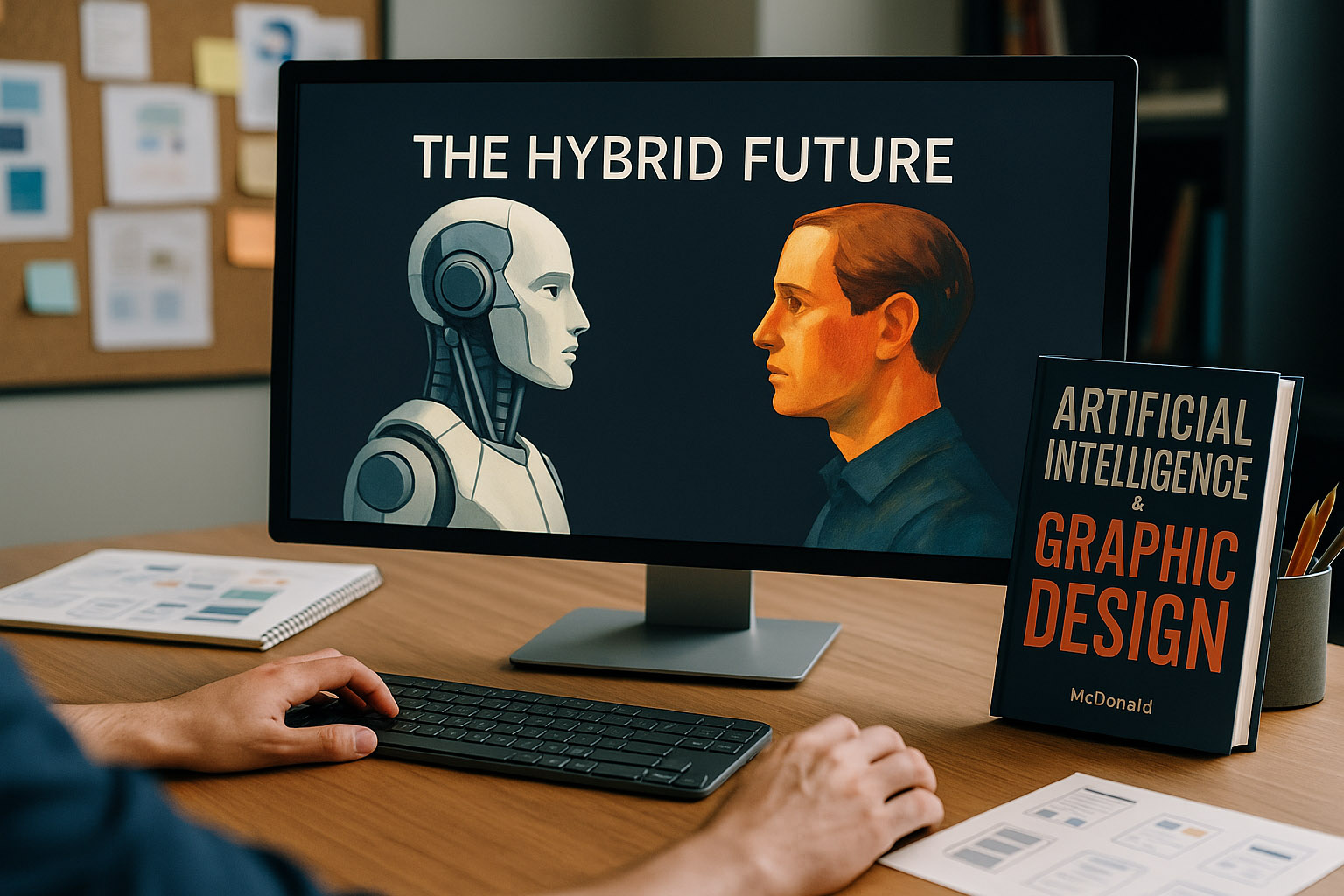
Looking ahead, the most effective workflows will likely blend AI capabilities with human creativity. Designers who leverage AI as a collaborative partner can enhance productivity while preserving artistic integrity. Training and education will play vital roles in equipping designers to harness AI tools thoughtfully and critically.
“This hybrid approach promises a future where technology amplifies rather than replaces human ingenuity.”
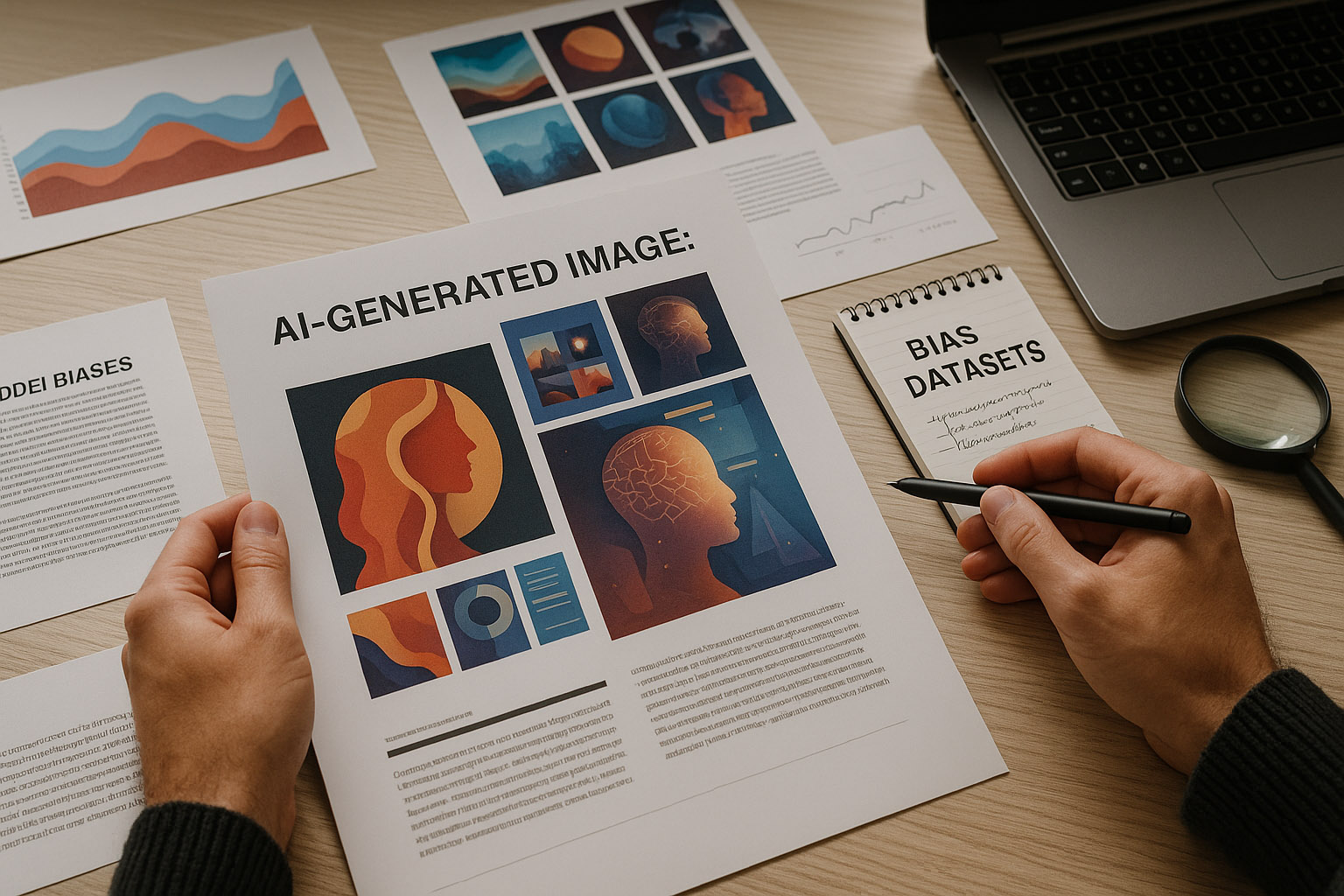
Behind the scenes, AI models depend on vast visual datasets that may contain biases and inconsistencies. These factors influence the outputs and can inadvertently reinforce stereotypes or exclude marginalized perspectives. Moreover, the energy consumption of training large AI models raises sustainability questions.
“Awareness of these hidden dimensions is essential for responsible AI adoption in design.”
AI is neither a panacea nor a threat but a tool that reshapes the graphic design landscape. Designers remain essential as interpreters, storytellers, and ethical stewards. By embracing AI with critical awareness and creative intent, the design community can harness its potential to innovate while safeguarding the human elements that make design meaningful.
News, insights, case studies, and more from the rausr team — straight to your inbox.
Send us your brief, your wildest idea, or just a hello. We’ll season it with curiosity and serve back something fresh, cooked with care.