After a decade, every designer has a story: old projects that now feel clumsy, instincts that fire faster, tastes that quietly shifted. But what actually drives that change? Is it:
- time — years of exposure to briefs, tools, and trends
- volume — “10,000 hours” worth of shipped artworks, logos, and layouts
- context — culture, platforms, and audiences morphing around us
This piece looks at how time, repetition, and social change reshape design taste, speed, and judgment, grounded in research and the lived experience many of us feel when we open our oldest files.
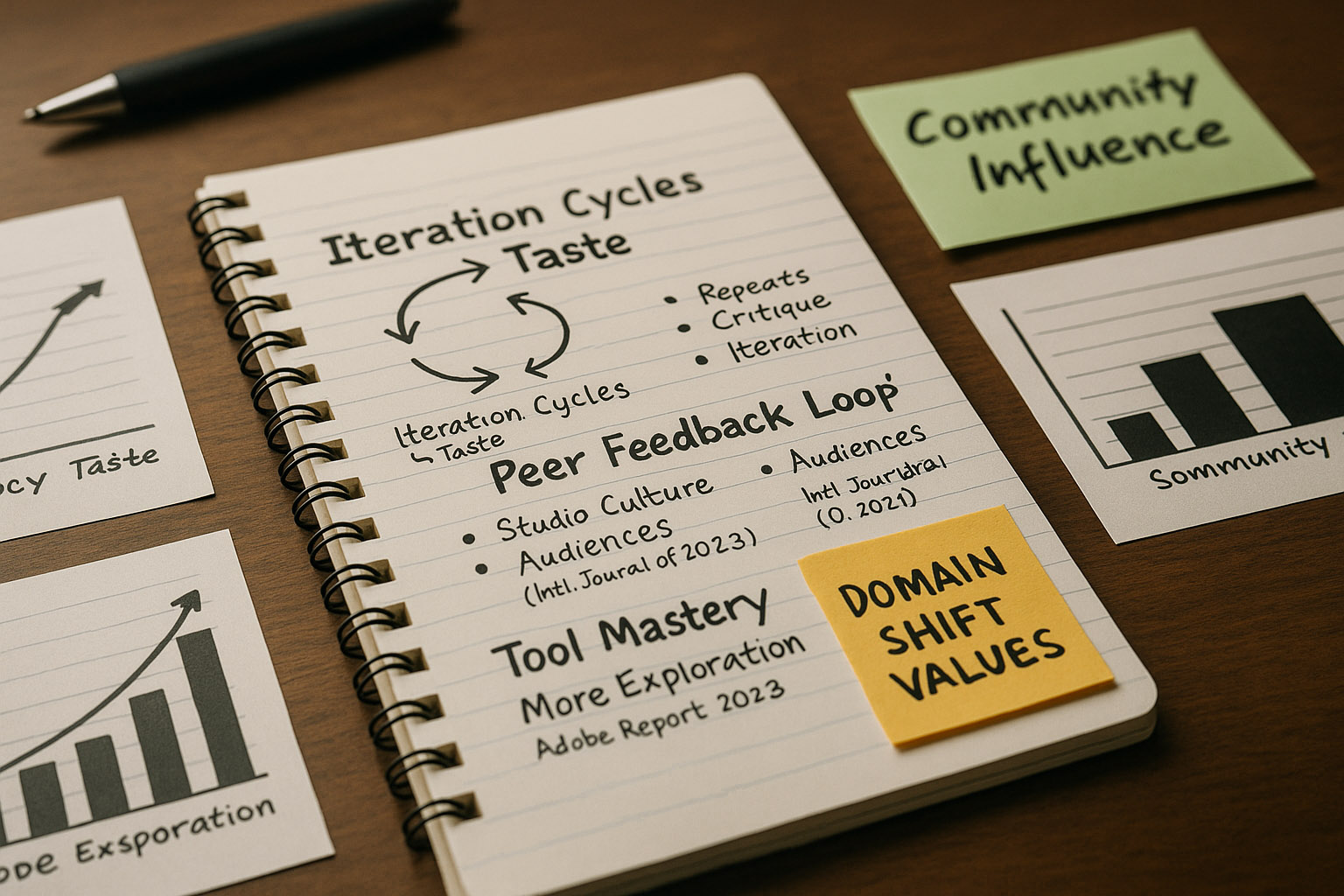
- Deliberate practice compounds — Design Studies (2022) tracked 60 professionals and found that repeated critique + iteration cycles predicted taste convergence faster than raw years worked.
- Taste is socialized — International Journal of Design (2021) notes that peer feedback loops and community norms (studio culture, design Twitter, AIGA) accelerate what feels “good” or “dated.”
- Tool mastery reduces cognitive load — Adobe/Pfeiffer Report 2023 linked software fluency to faster exploration and less attachment to first ideas, which indirectly refines style.
- Domain shifts reshape values — AIGA Design Census shows designers who switch from print to product or brand systems experience sharper shifts in their definition of “good.”
Time vs. Volume
Which One Shapes Taste More?
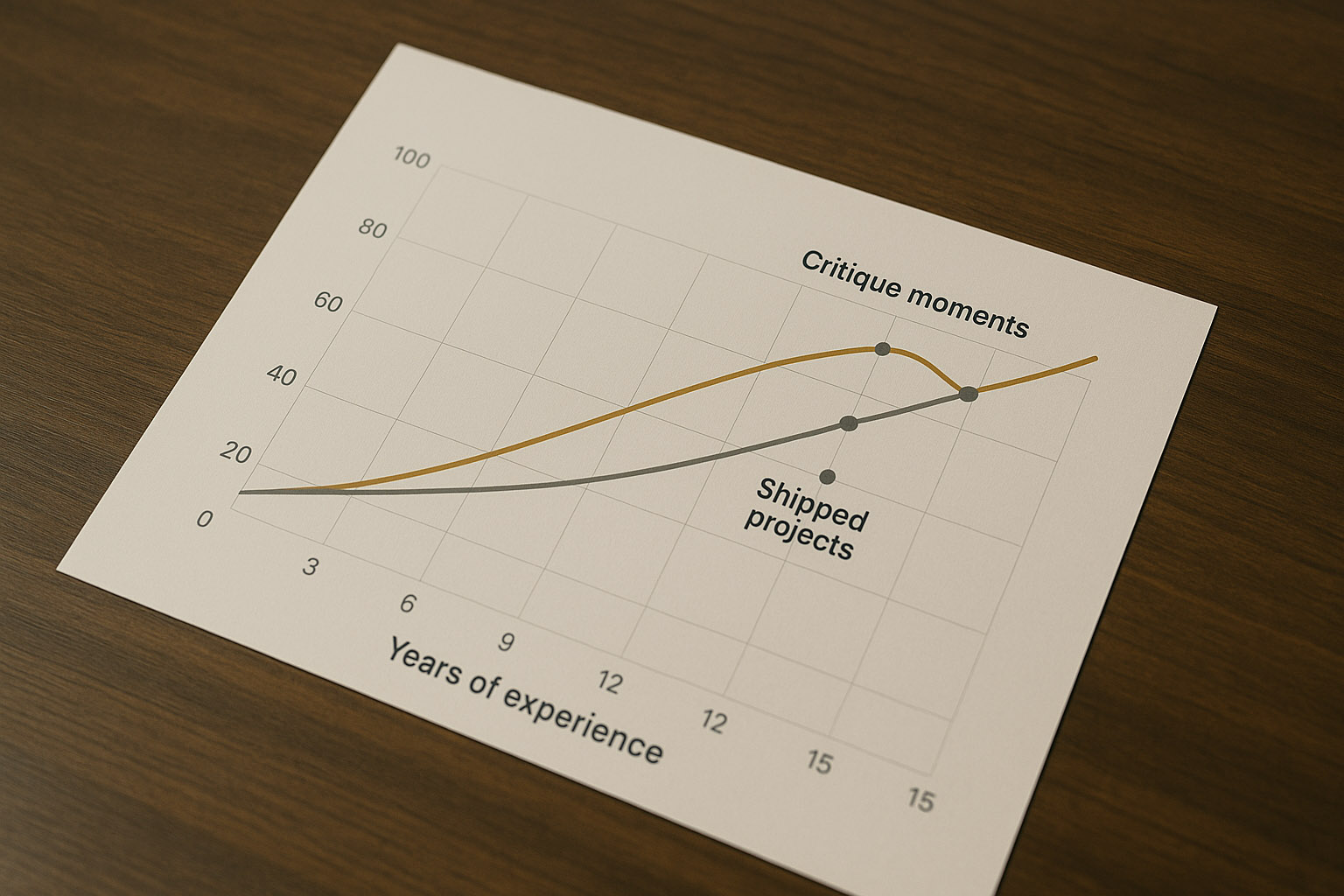
- Years without output ≠ taste growth. Designers who stay in narrow production loops often plateau; high-volume shippers refine faster because they see more failure patterns.
- Volume without reflection ≠ improvement. Michael Bierut has noted that sheer output matters only when paired with critique and editing. In short, you just get faster at your current level.
- Balanced cycles win. Kyna Leski’s work frames creativity as storm and structure — bursts of quantity plus periods of analysis create the biggest taste leaps.
How Style Evolves with Reps
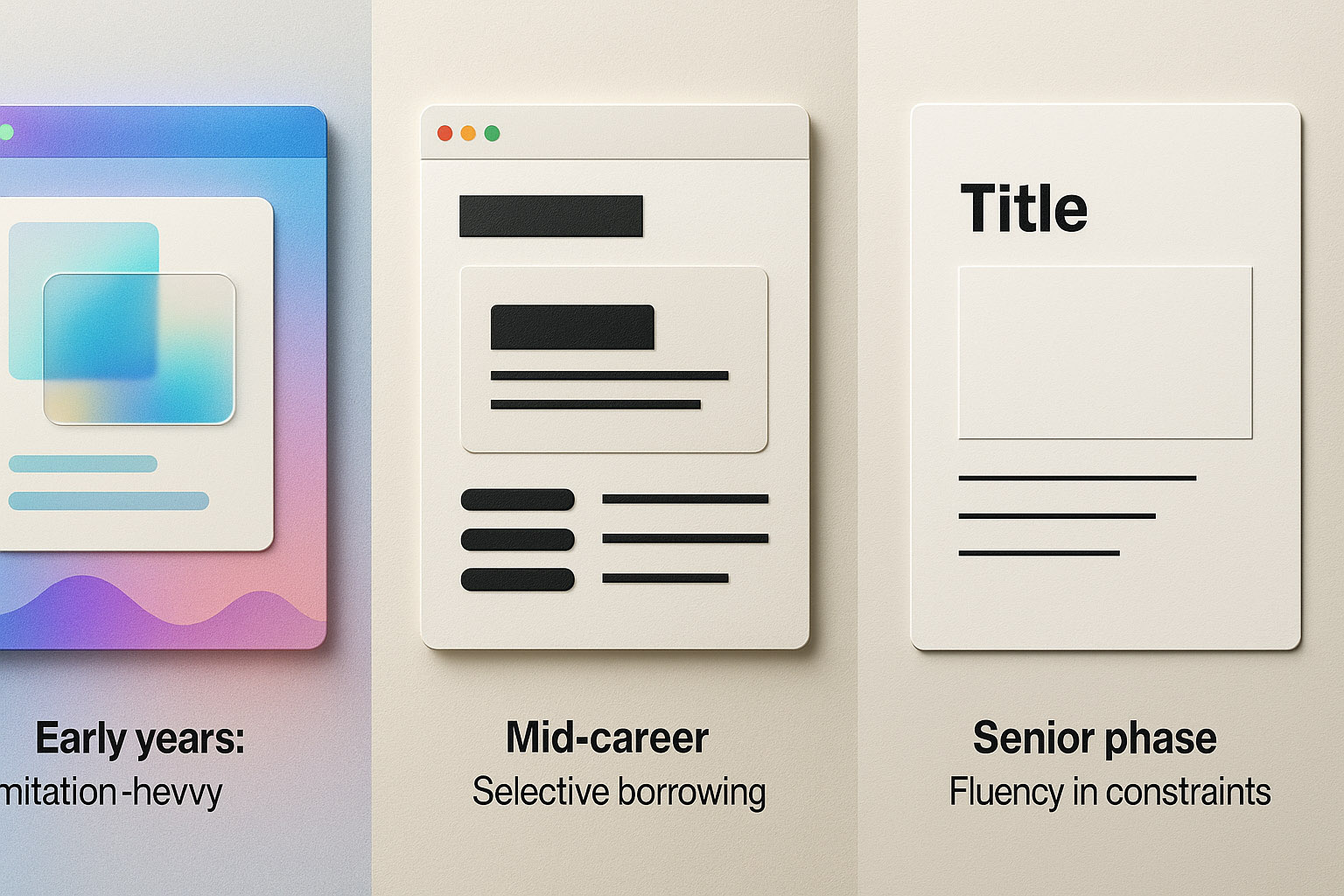
- Early years: imitation-heavy, tool-driven aesthetics. Many follow trend currents (glassmorphism yesterday, brutalism today) to learn the mechanics.
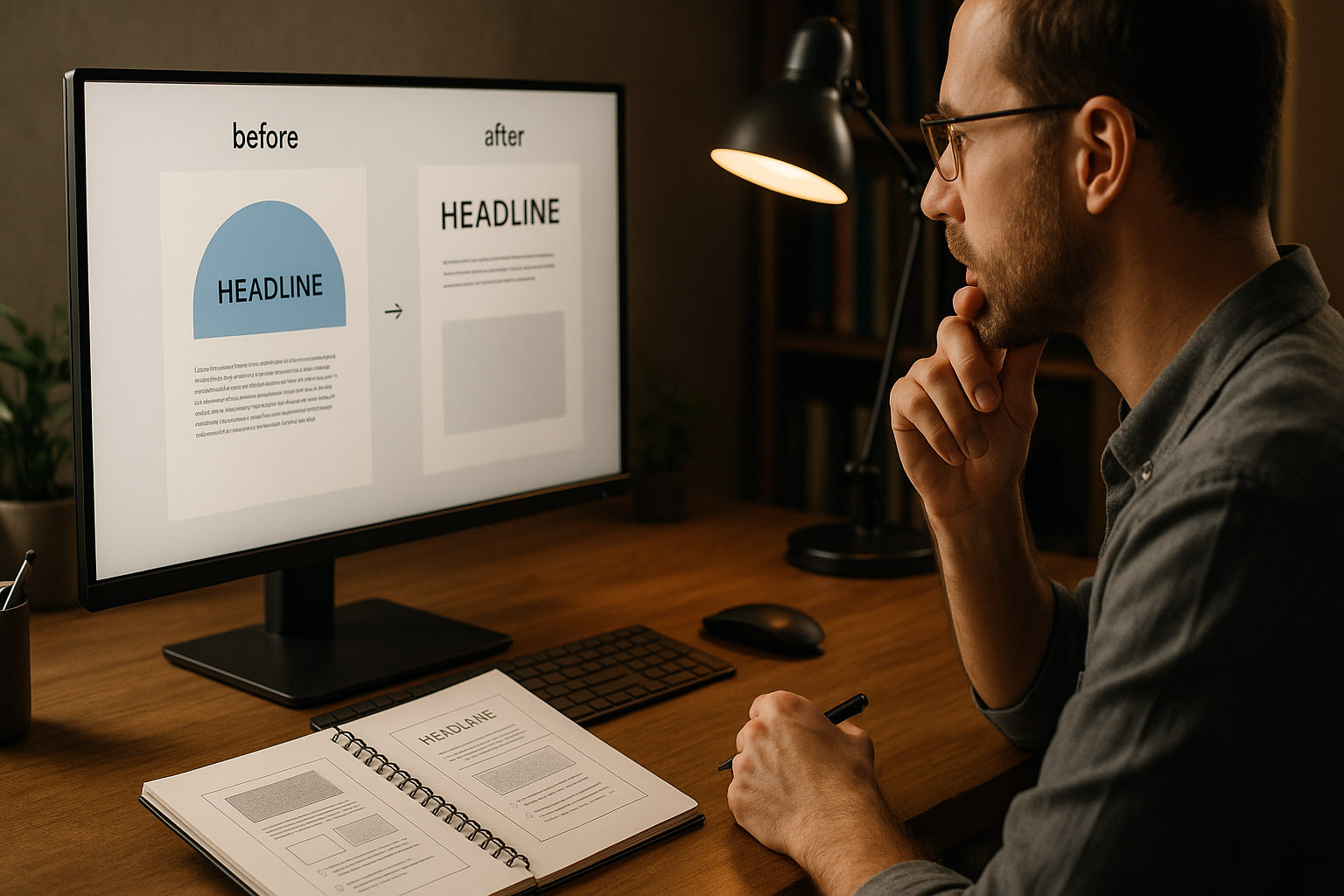
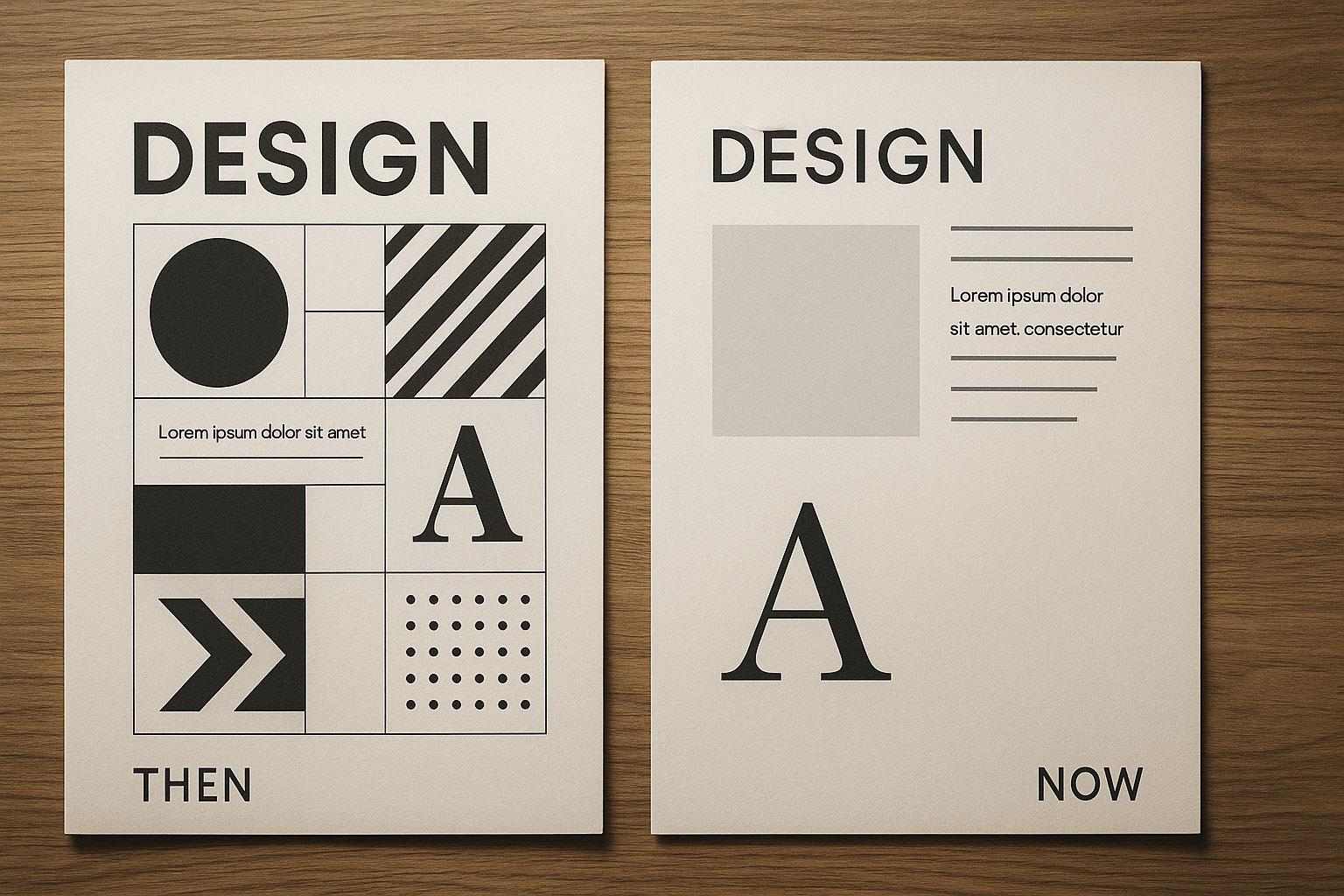
- Mid-career: selective borrowing. Designers start stripping away unnecessary decoration to emphasize clarity, hierarchy, and brand voice.
- Senior phase: fluency in constraints. Style becomes quieter but sharper — fewer typefaces, more white space, faster decisions. Speed stems from knowing what to ignore.
What Stays Constant
Even After Thousands of Projects
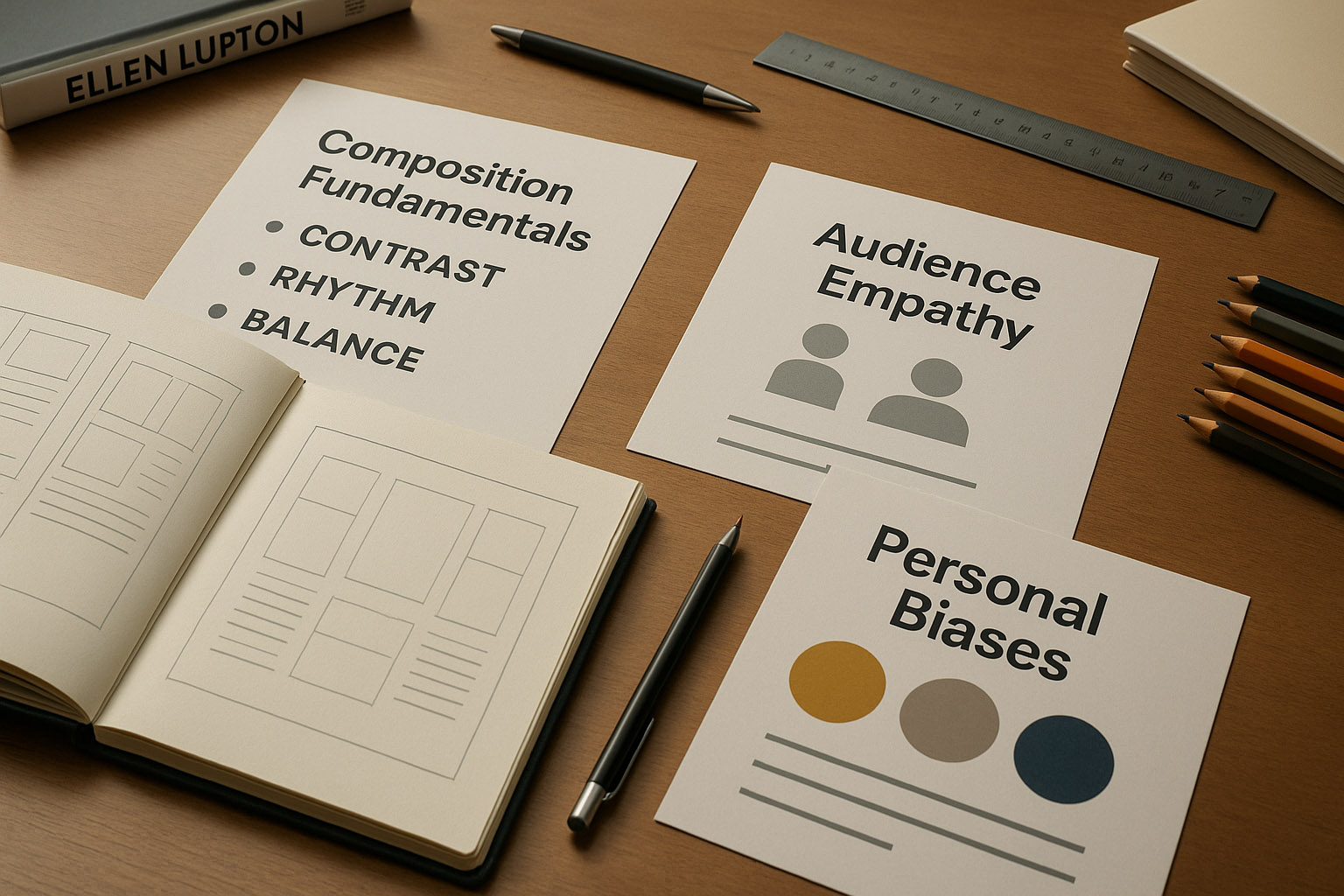
- Composition fundamentals (contrast, rhythm, balance) remain anchors. Exposure refines them, but they rarely invert.
- Audience empathy grows but stays central — Ellen Lupton’s research emphasizes narrative and reader-first logic as the throughline in long careers.
- Personal biases endure. Color comfort zones and typography leanings shift slowly. Awareness lets designers push beyond them but rarely erase them.
External Forces That Bend Taste
- Platform constraints: Mobile-first grids, accessibility norms, and variable fonts reshaped what “clean” design means compared to the print-first 2000s.
- Cultural tone shifts: Post-2020, inclusive imagery and plainer language reset visual cues for “trustworthy.”
- Economic cycles: Recessions often push minimalism (fewer flourishes, more sober palettes); booms reward experimentation and ornament.
- Team structures: Moving from solo to cross-functional squads introduces product thinking that tempers expressive styling with usability metrics.
Can Designers Hold One Style for Decades?
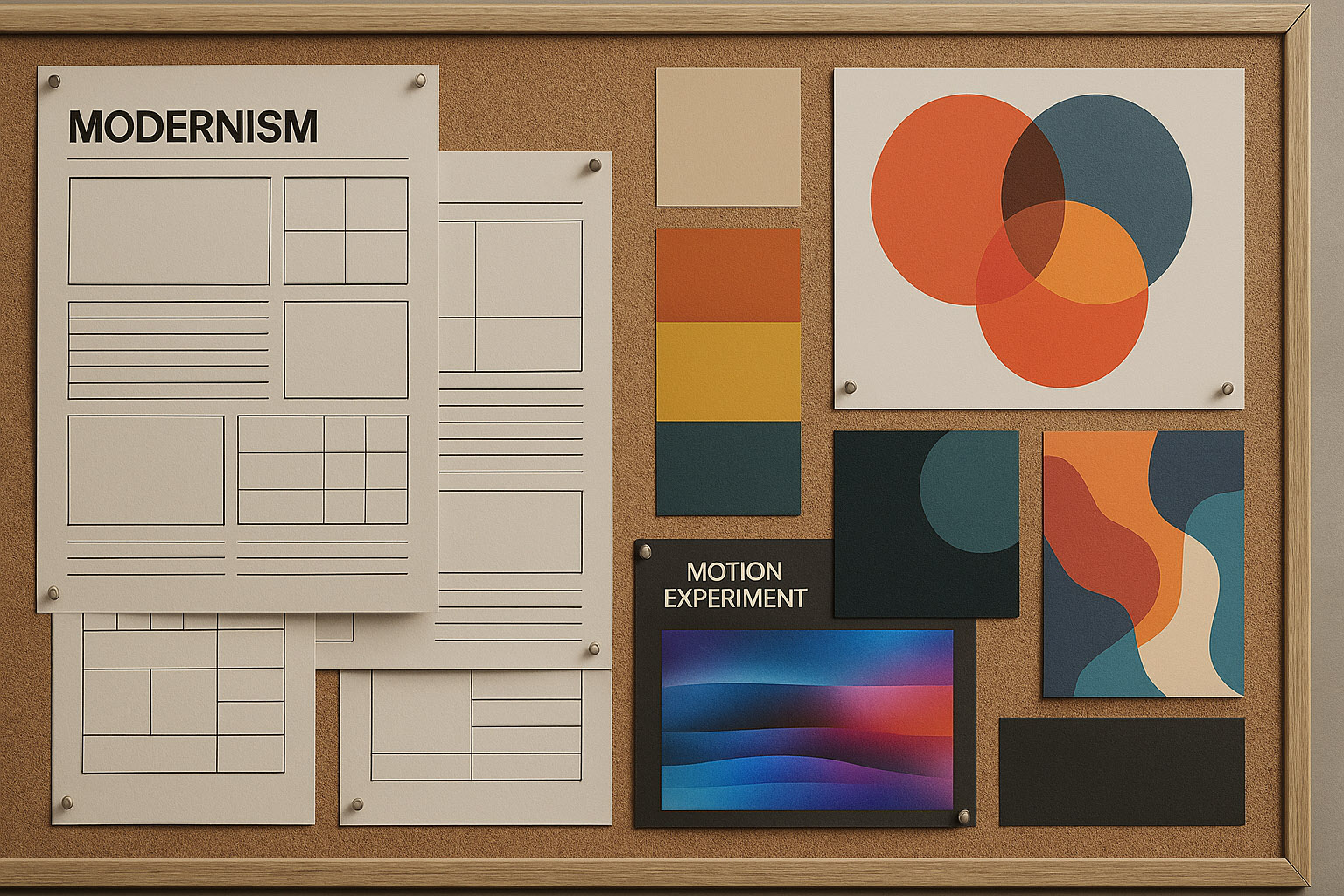
- Yes — but rarely by accident. Designers like Massimo Vignelli embraced strict modernism and intentionally kept to narrow palettes.
- Most evolve or risk irrelevance. AIGA Census data suggests designers who report “no change” in style over 10+ years tend to leave brand-led roles for production or operations.
- Hybrid approach works best. Keeping a core signature (type discipline, grid logic) while adapting surfaces (color, motion, interaction patterns) balances recognizability with relevance.
Under-the-Radar Insights That Affect Style
- Reverse learning: Designers who teach or critique others accelerate their own taste refinement; explaining “why this doesn’t work” strengthens internal heuristics.
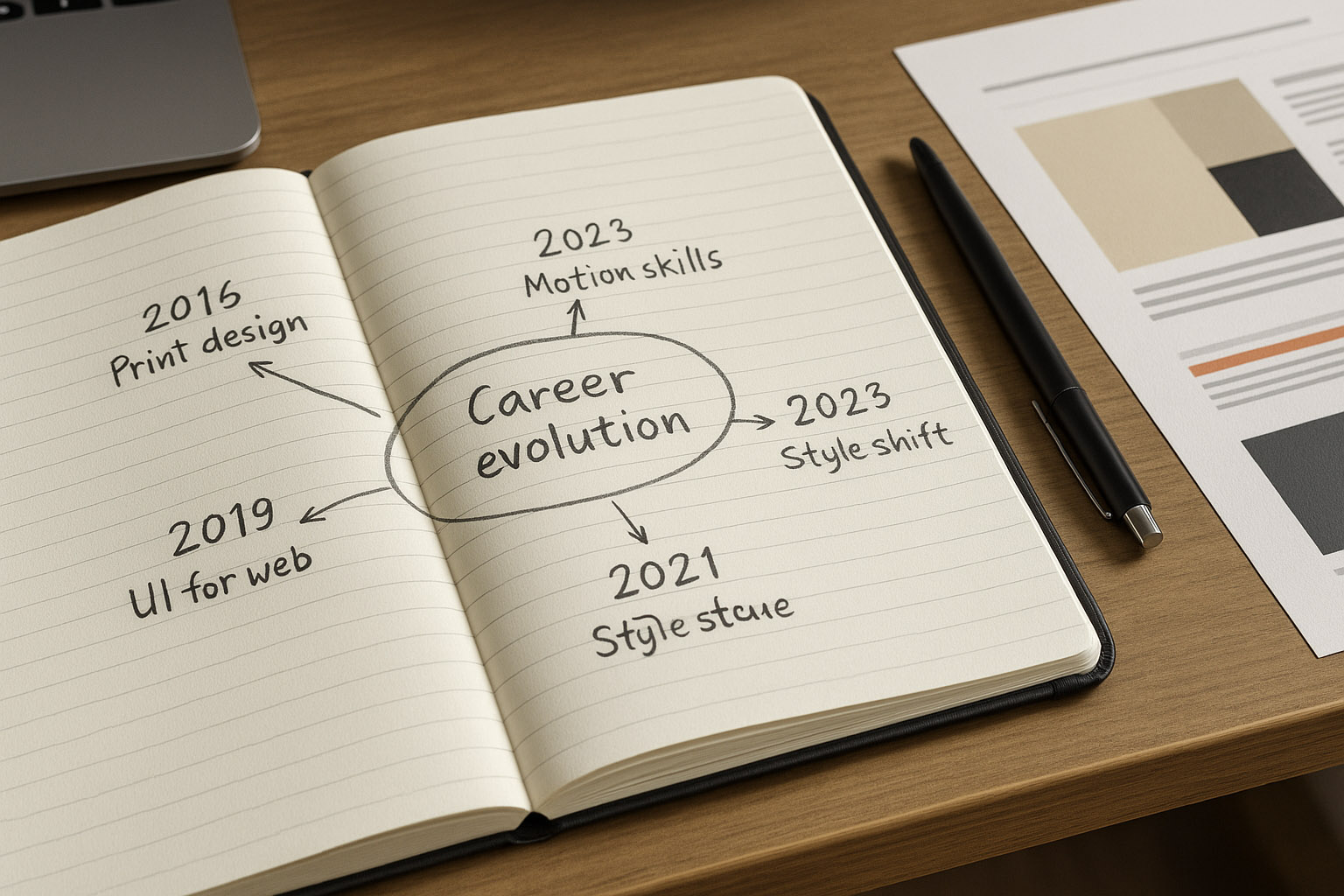
- Archive audits: Periodic reviews of old work correlate with faster style evolution; consciously pruning portfolios acts like a taste workout.
- Cross-medium drift: Working in motion or 3D temporarily makes many designers tighten their 2D layouts afterward — a spillover effect noted in multiple studio retros.
- Fatigue threshold: Designers with heavy output schedules report a small dip in novelty after ~18 months unless they schedule sabbaticals or side explorations.
Personal Journey Reflection
If your own taste shifted dramatically, ask:
- Did the change follow a new context (e.g., moving to product, learning motion)?
- Did you increase volume and critique cycles (more sprints, more feedback)?
- Did external cultural or platform shifts make your old style feel mismatched?
Chances are the answer is “all three,” but one axis usually dominates.
How to Evolve Deliberately
Without Losing Yourself
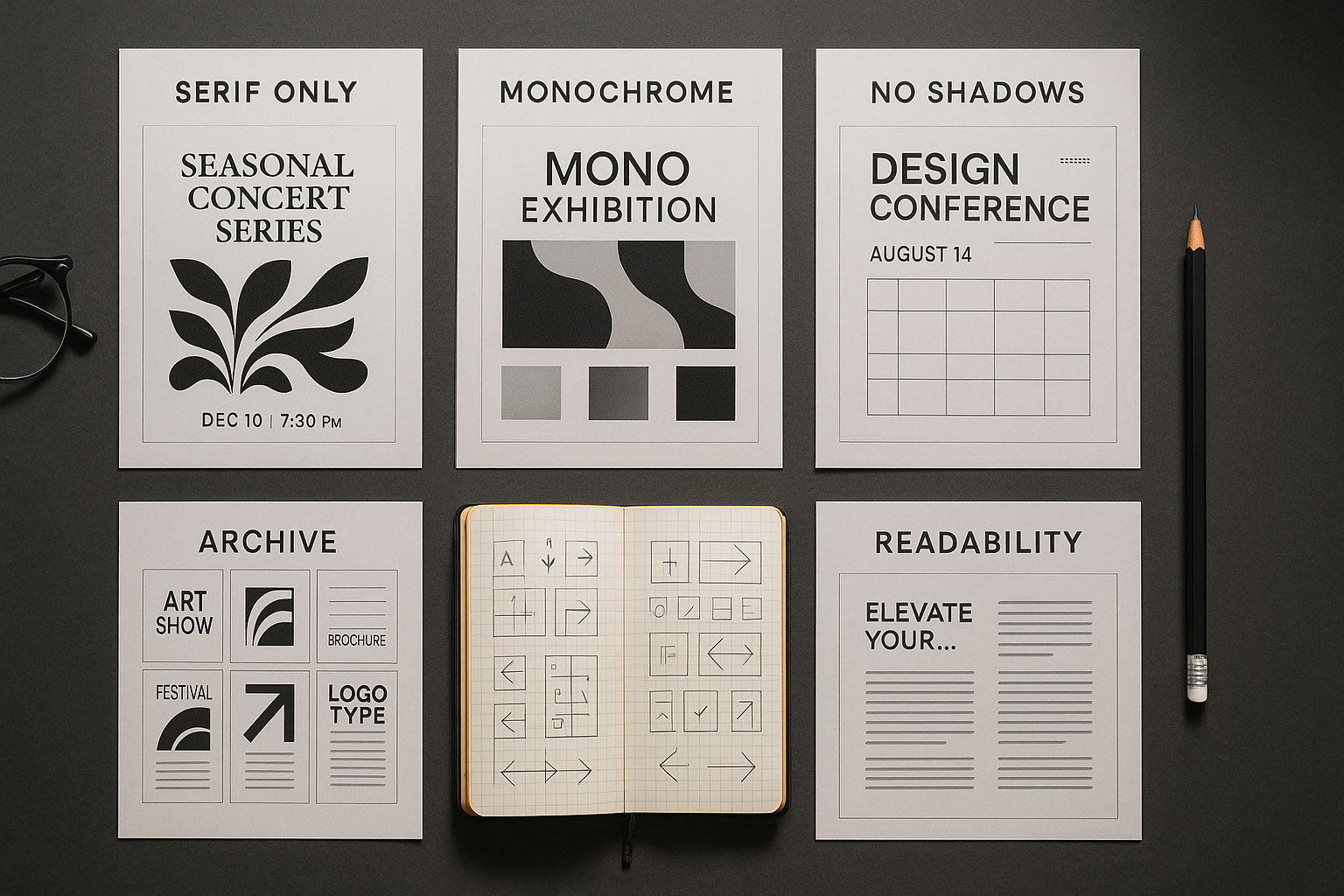
- Run season-based experiments. Every 3–4 months, choose a constraint to stretch (one serif family only, monochrome palettes, no shadows).
- Pair volume with critique. Ship more, but invite structured reviews; taste grows in the edit.
- Archive intentionally. Keep a “museum” folder of past work to see your drift; it’s evidence of growth and a guardrail against aimless trend-hopping.
- Borrow from adjacent fields. Study exhibition design, wayfinding, or news graphics to refresh pattern libraries without relying on dribbble trends.
- Measure resonance, not just aesthetics. Track readability, task success, and brand recall — taste sharpens when tied to outcomes.
Summary
Design taste rarely shifts because of time alone. It changes because:
- volume exposes you to more failure and refinement opportunities
- context (platforms, culture, teams) forces new constraints
- reflection and critique compress learning
The result? What felt “good” five years ago now feels noisy or naive — and that’s the point. Style evolution is less about drifting trends and more about growing judgment — fueled by repetition, feedback, and the world you design for.