Exhibition Stand Design in 2025: Compact, Conscious, and Connected
Evolving landscape of exhibition stand design — from shrinking budgets and sustainable materials to digital interactivity and modular innovation.

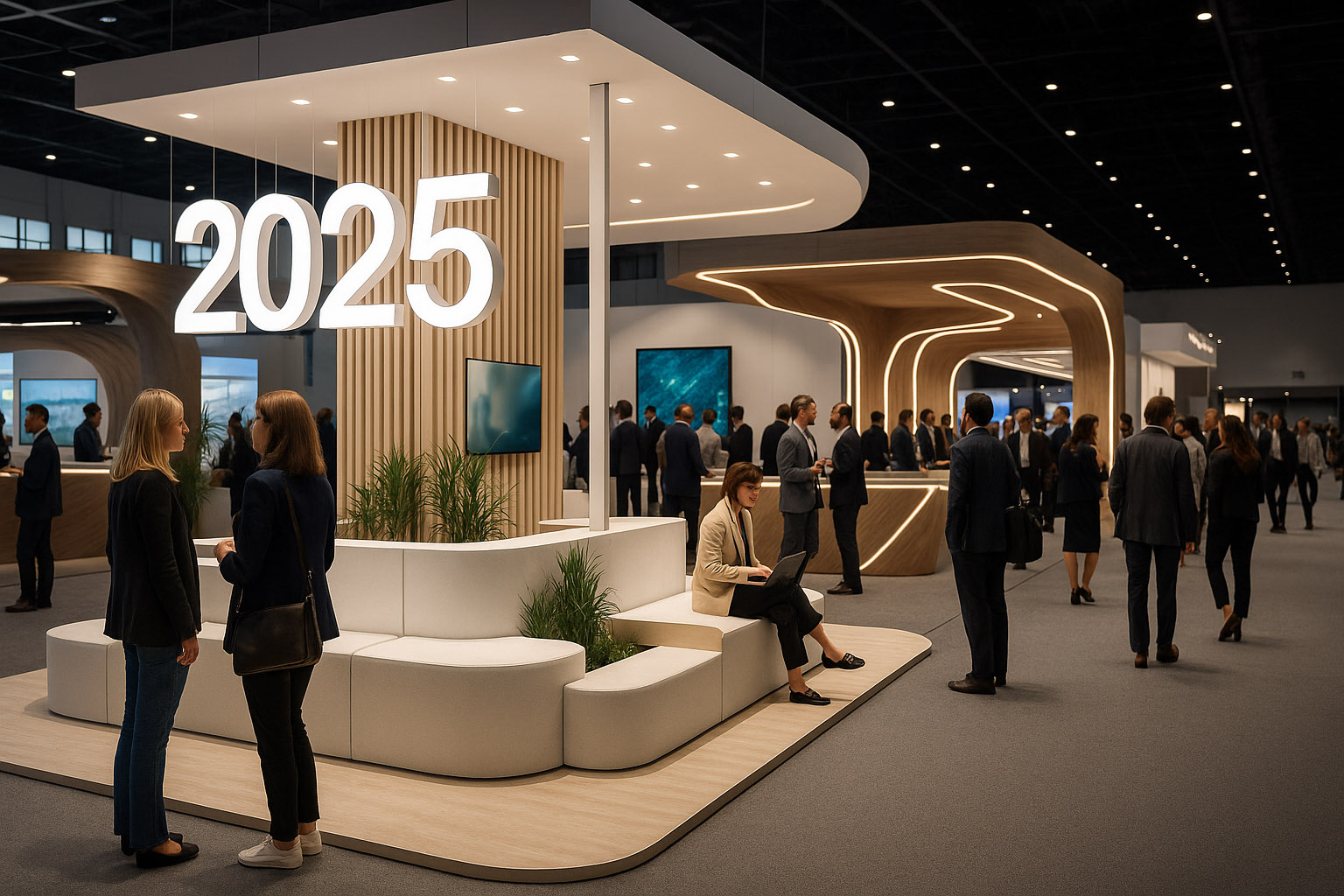
Evolving landscape of exhibition stand design — from shrinking budgets and sustainable materials to digital interactivity and modular innovation.
The exhibition floor of 2025 looks noticeably different from a decade ago.
Where once dominated colossal, towering brand pavilions with massive budgets, today’s trade shows are smaller, smarter, and more sustainable.
As marketing budgets tighten and global events adapt to post-pandemic realities, creativity has shifted from scale to strategy. Brands now focus on meaningful engagement, sustainability, and modular efficiency — without losing impact.
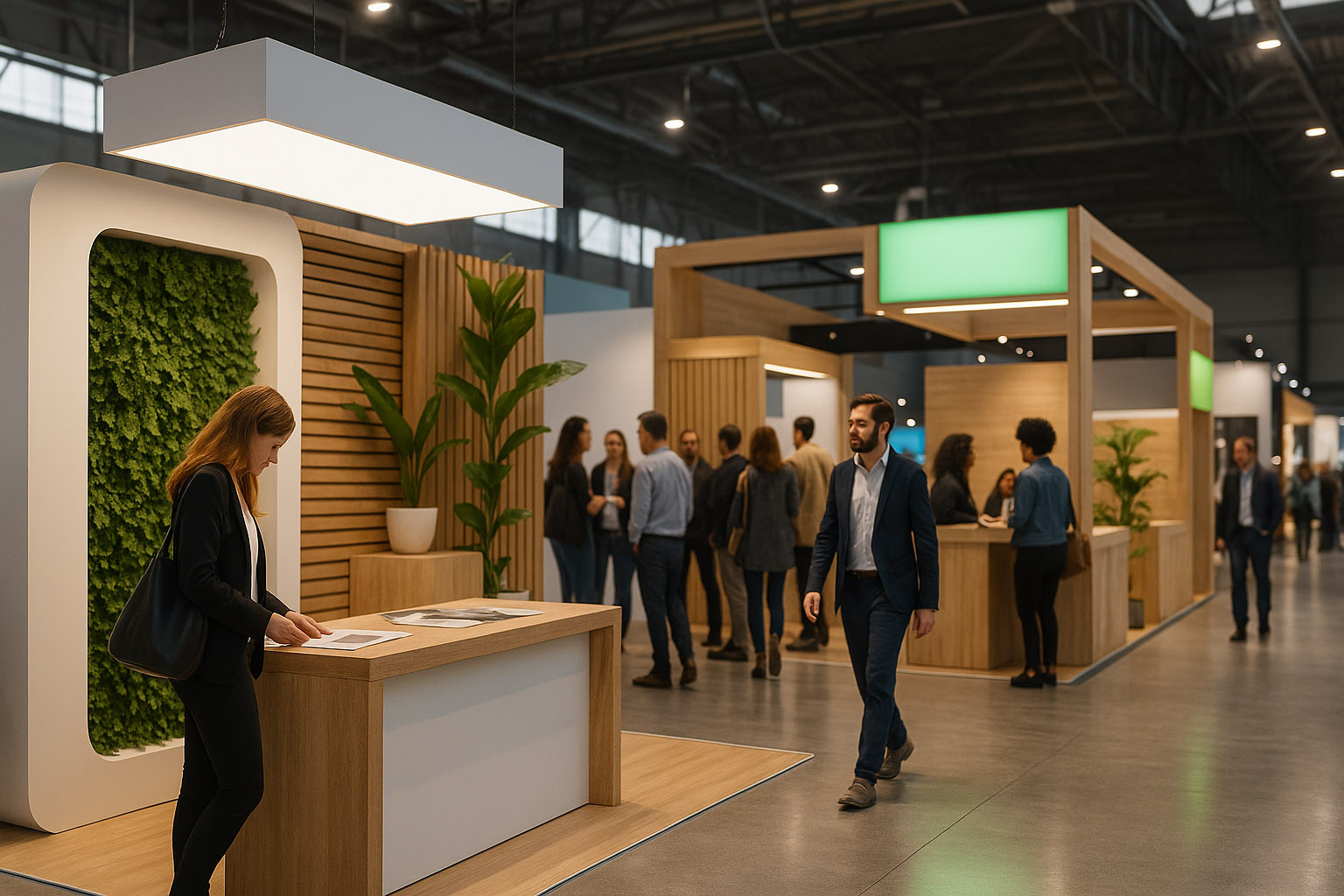
In the 2010s, trade fairs were a playground of architectural excess. Automotive and tech brands built multi-story structures with lounges, LED tunnels, and entire cafés.
But the last few years changed the narrative.
Modern stands are modular and reusable — built from aluminum frames, textile graphics, and lightbox systems that travel easily and adapt to multiple layouts.
“The biggest trend of 2025 isn’t visual — it’s logistical. — Martina Hofmann, Creative Director at EuroExpo Studio”
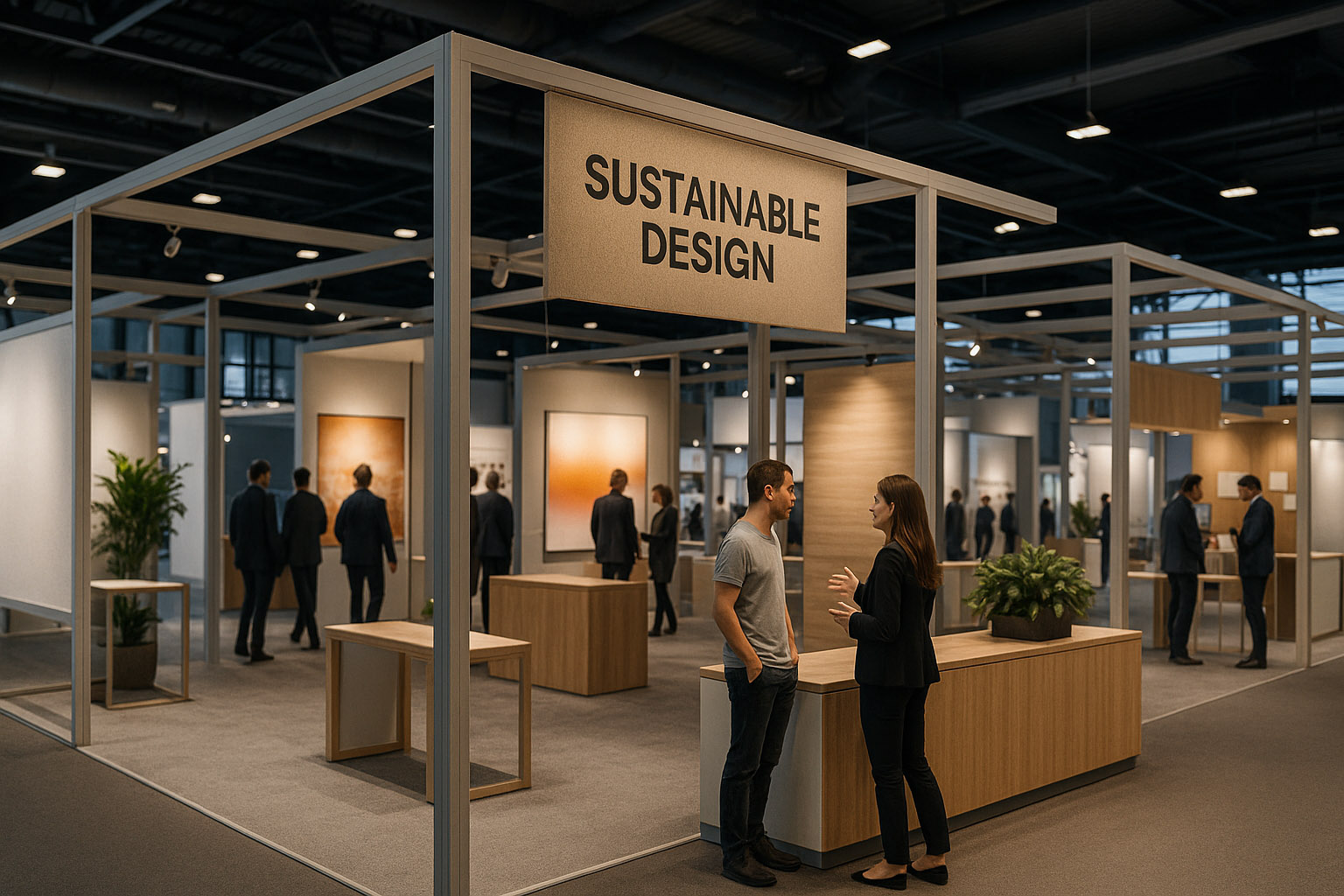
Recyclable aluminum, LED lighting, and textile graphics are now standard. Brands proudly communicate carbon footprint reduction right on the stand itself.
Biophilic design — plants, natural textures, and daylight tones — connects the booth environment with wellness and responsibility.
Hidden insight: Some European expos now score sustainability levels for exhibitors, influencing future booth placements.
Augmented reality (AR) product demos, motion-reactive screens, and NFC-triggered info panels are replacing printed brochures.
Even small brands now use QR-driven storytelling and virtual assistants to engage visitors personally.
The rise of modular lightbox systems has allowed small exhibitors to look premium without massive costs.
Backlit textile walls, magnetic shelving, and portable counters create elegant compositions that fit into one van.
Brands like T3works, beMatrix, and Octanorm lead this wave of scalable modularity — balancing creativity, transport efficiency, and reusability.
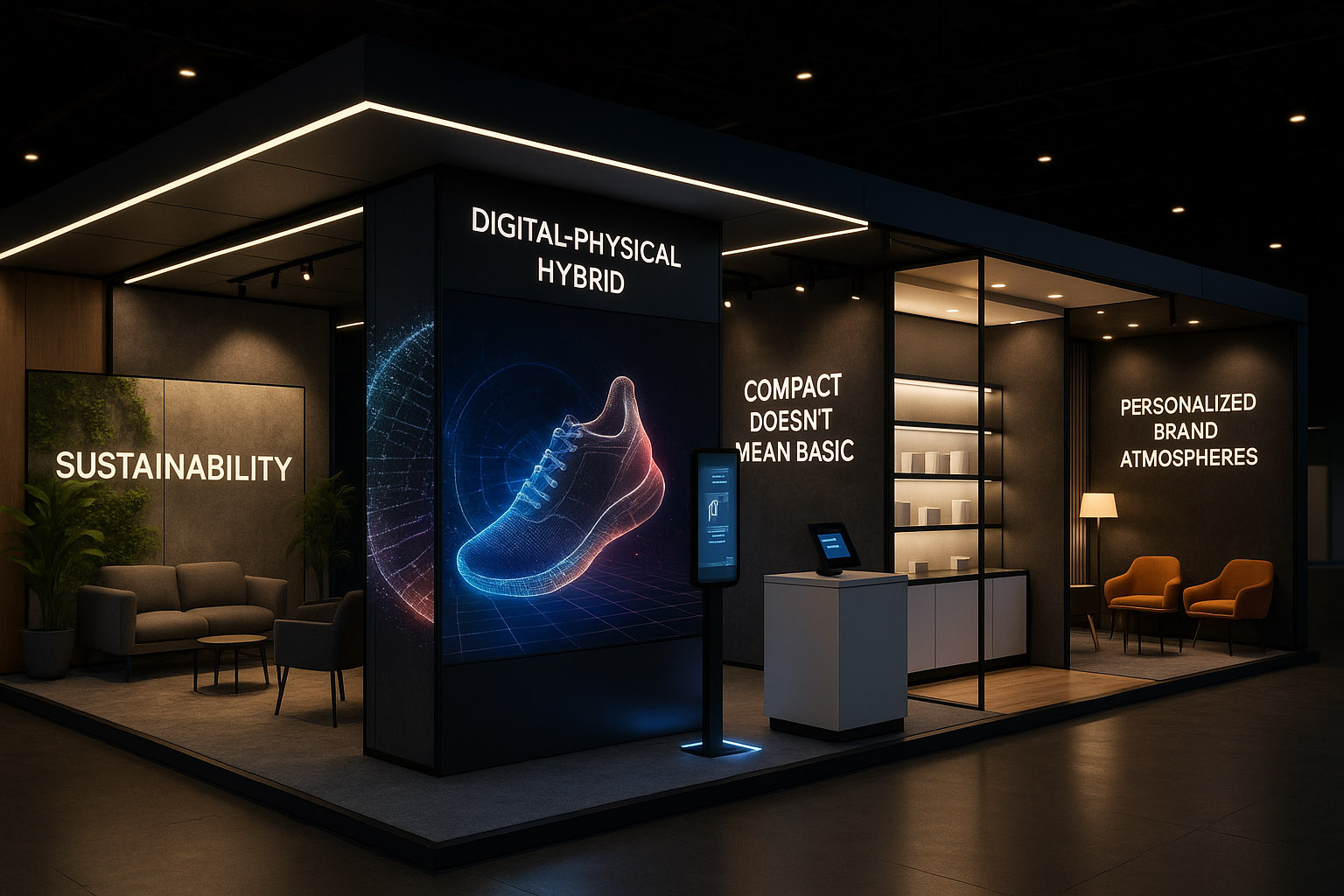
Modern exhibition design borrows from retail and hospitality: warm lighting, scent branding, and lounge-style seating replace sterile corporate setups.
The key phrase? “Micro-environments.”
Visitors now move through sensory zones rather than open showrooms.
| Aspect | 2015 | 2025 |
|---|---|---|
| Size Focus | Bigger = better | Modular, portable, optimized |
| Materials | MDF, glass, vinyl | Aluminum, textiles, recycled plastics |
| Lighting | Halogen & LED strips | Smart RGB + dynamic lightboxes |
| Tech Use | Screens & video loops | AR, sensors, AI-guided demos |
| Budget Allocation | 60% build, 40% logistics | 40% design, 30% tech, 30% reuse |
| Design Goal | Impress | Engage |
Interestingly, while budgets shrank, design quality improved.
Agencies now spend more time researching visitor behavior and brand storytelling, ensuring each element has purpose.
Temporary structures are now treated like brand architecture — not just walls, but experiences that travel, adapt, and evolve.
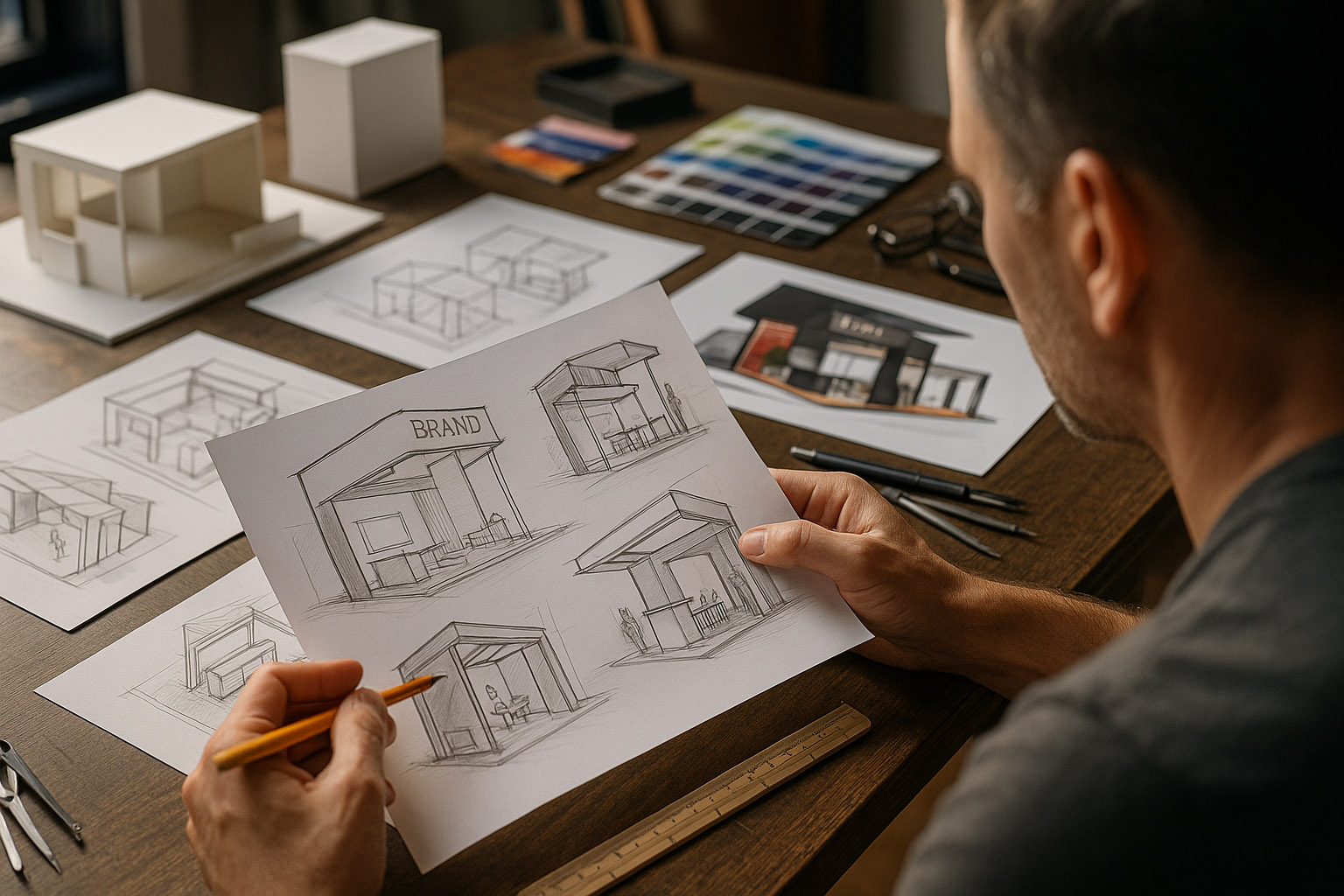
Looking ahead, expect:
Exhibition design will continue merging industrial design, psychology, and sustainability, proving that creativity thrives not in excess, but in constraint.
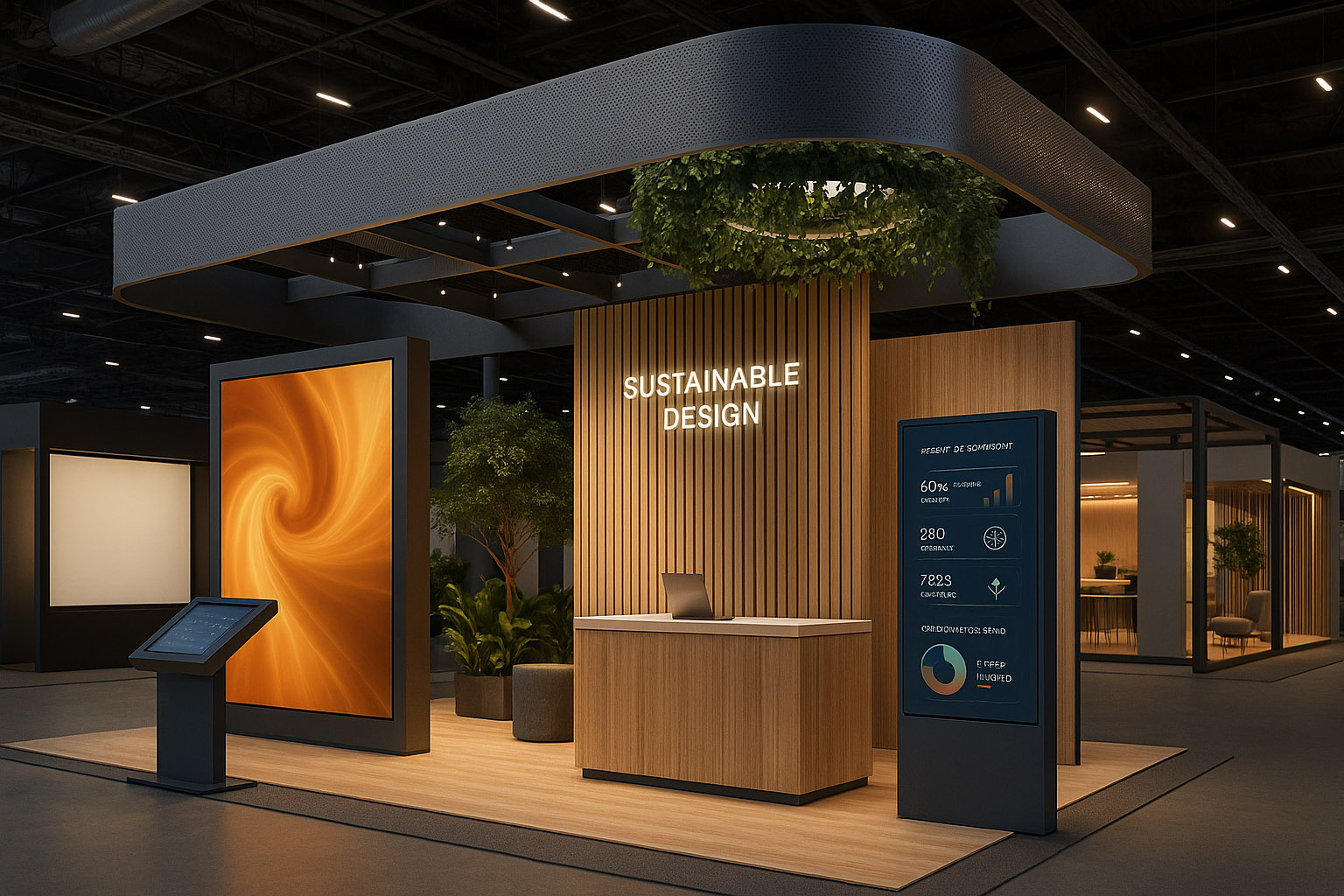
Exhibition stand design in 2025 reflects a maturing industry — one that values adaptability, emotion, and environmental care over spectacle.
The era of giant, disposable stands is giving way to modular ecosystems that balance impact with responsibility.
“In a world where less truly means more, the best stands don’t shout — they speak clearly, connect deeply, and travel light.”
News, insights, case studies, and more from the rausr team — straight to your inbox.
Send us your brief, your wildest idea, or just a hello. We’ll season it with curiosity and serve back something fresh, cooked with care.