From Sketch to Bathroom Shelves: The Hidden Art of Cosmetic Product Design
A deep look behind the creative and technical process of how cosmetic products are designed — from concept sketches to the final bottle on your bathroom shelf.
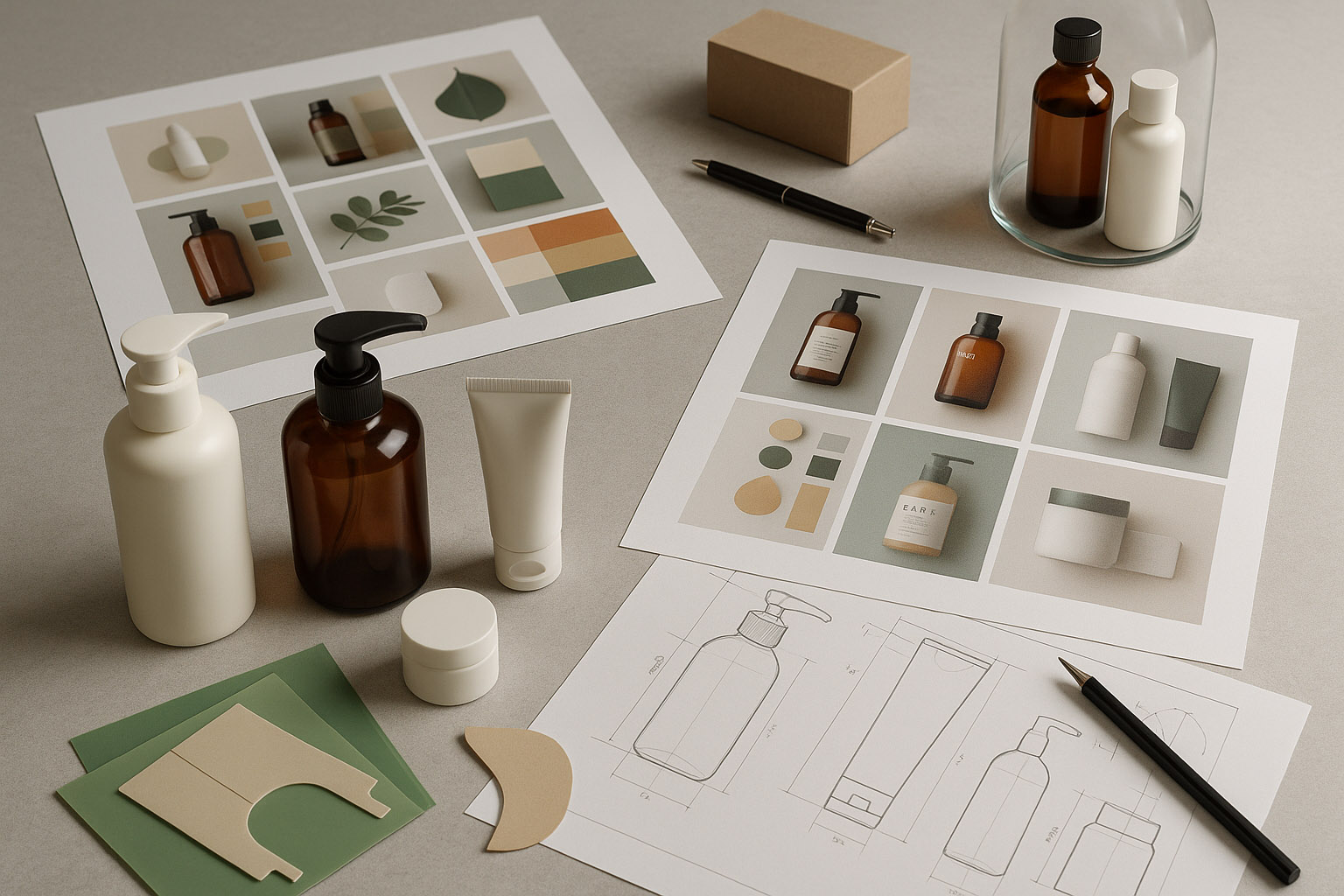
A deep look behind the creative and technical process of how cosmetic products are designed — from concept sketches to the final bottle on your bathroom shelf.
Every time you pick up a lotion bottle, a shampoo, or a perfume, you’re holding years of creative and technical decisions. Behind that glossy finish lies a multidisciplinary dance between industrial design, chemistry, marketing, and human psychology.
“The journey from sketch to shelf is one of the most complex — and beautiful — in the world of design.”
The process often starts far from the laboratory.
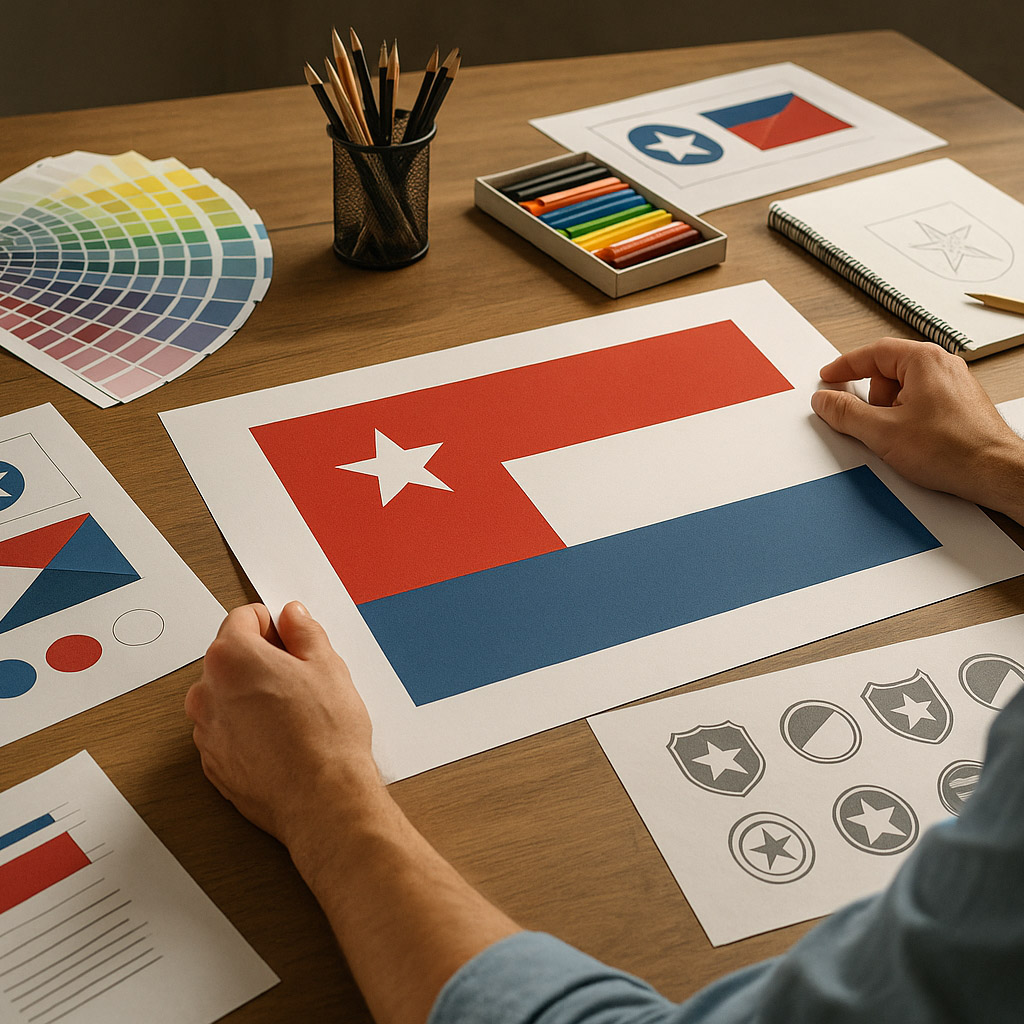
Designers begin with sketches — often in tools like Adobe Illustrator, Rhinoceros 3D, or SolidWorks. Moodboards are created to define the emotional direction: luxury, freshness, eco-consciousness, or scientific precision.
At this stage, packaging designers and marketing teams define:
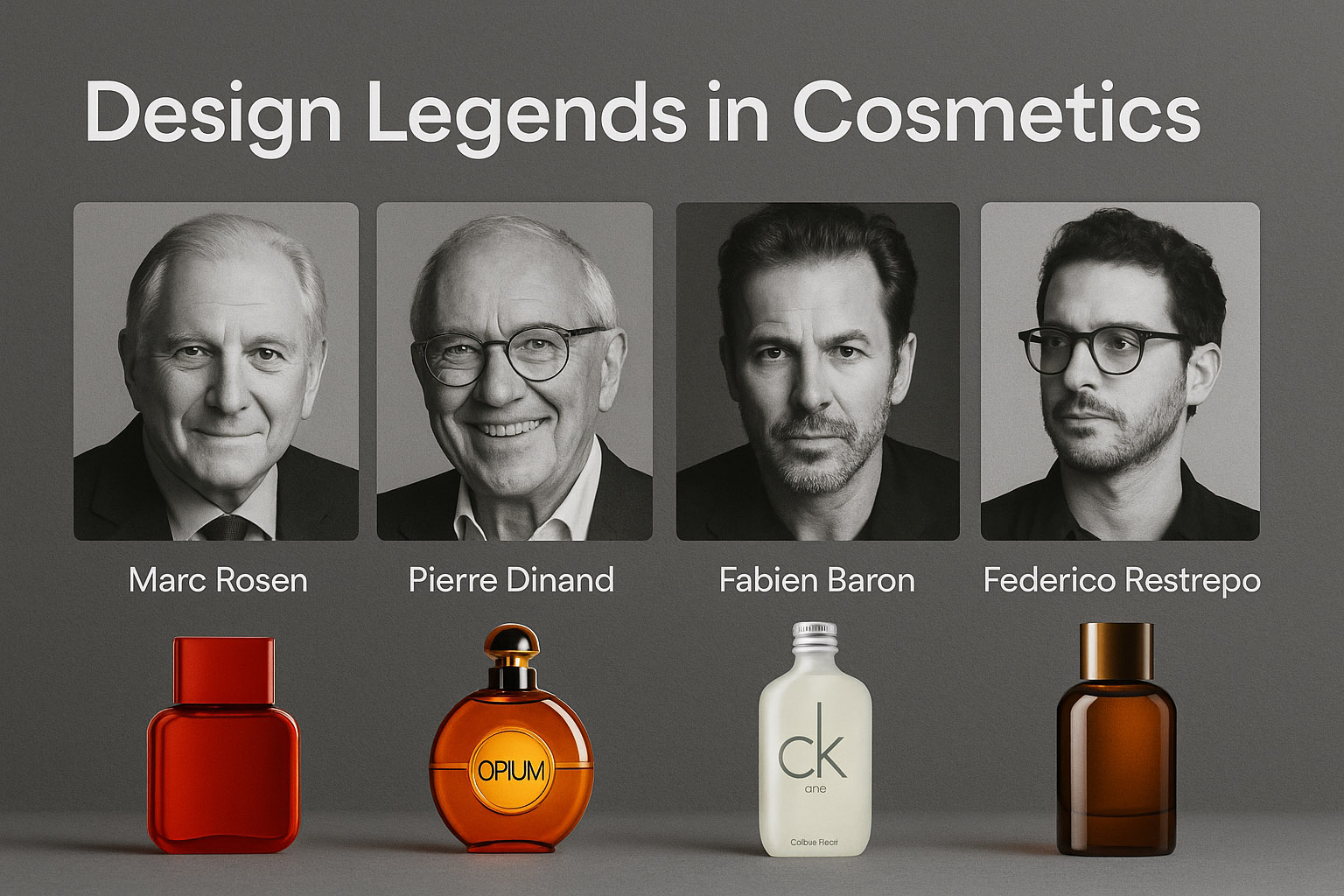
Well-known agencies like Marc Rosen Associates, Pearlfisher, and Established NYC have shaped the look of entire product generations for brands like Estée Lauder, Dove, and Aesop.
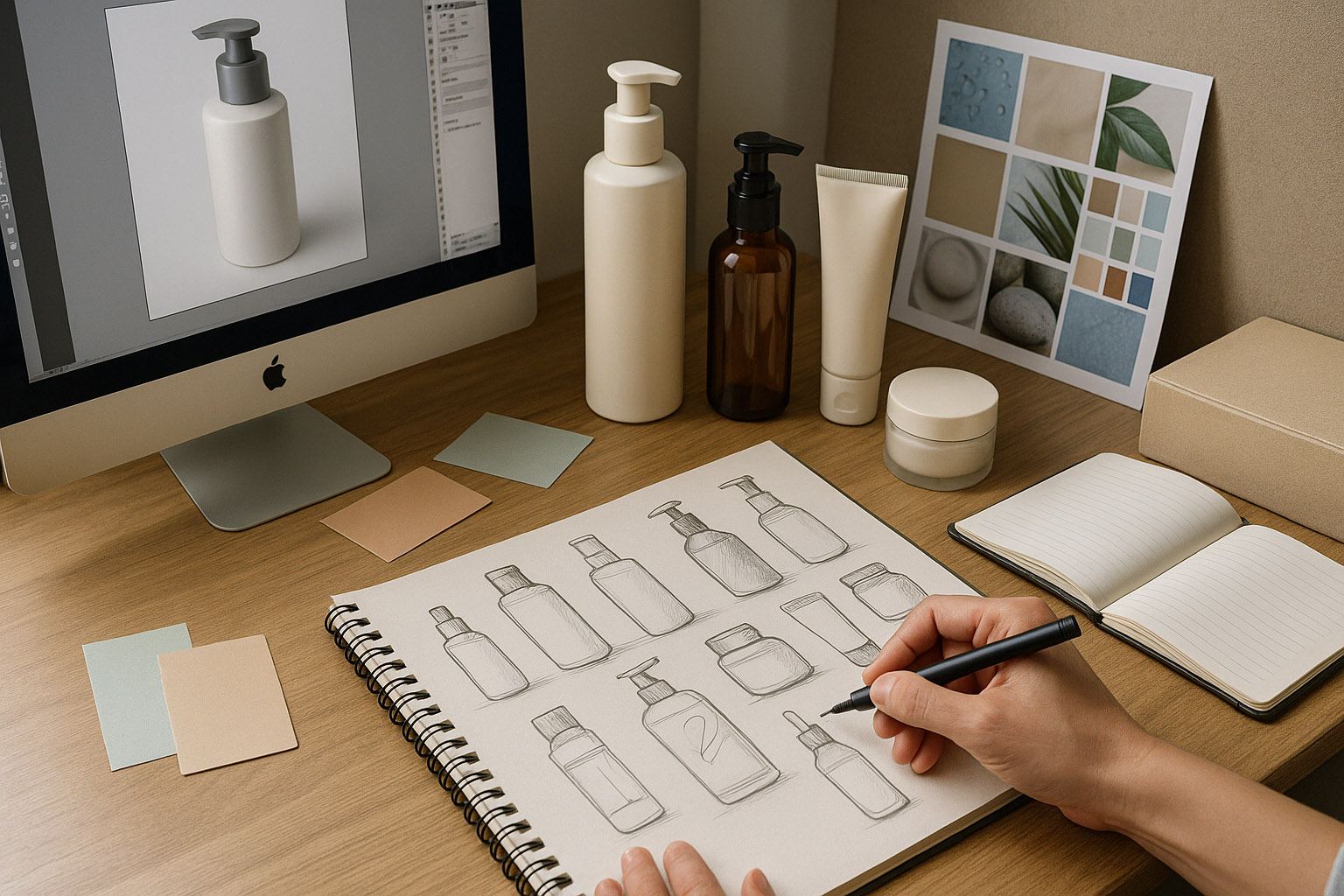
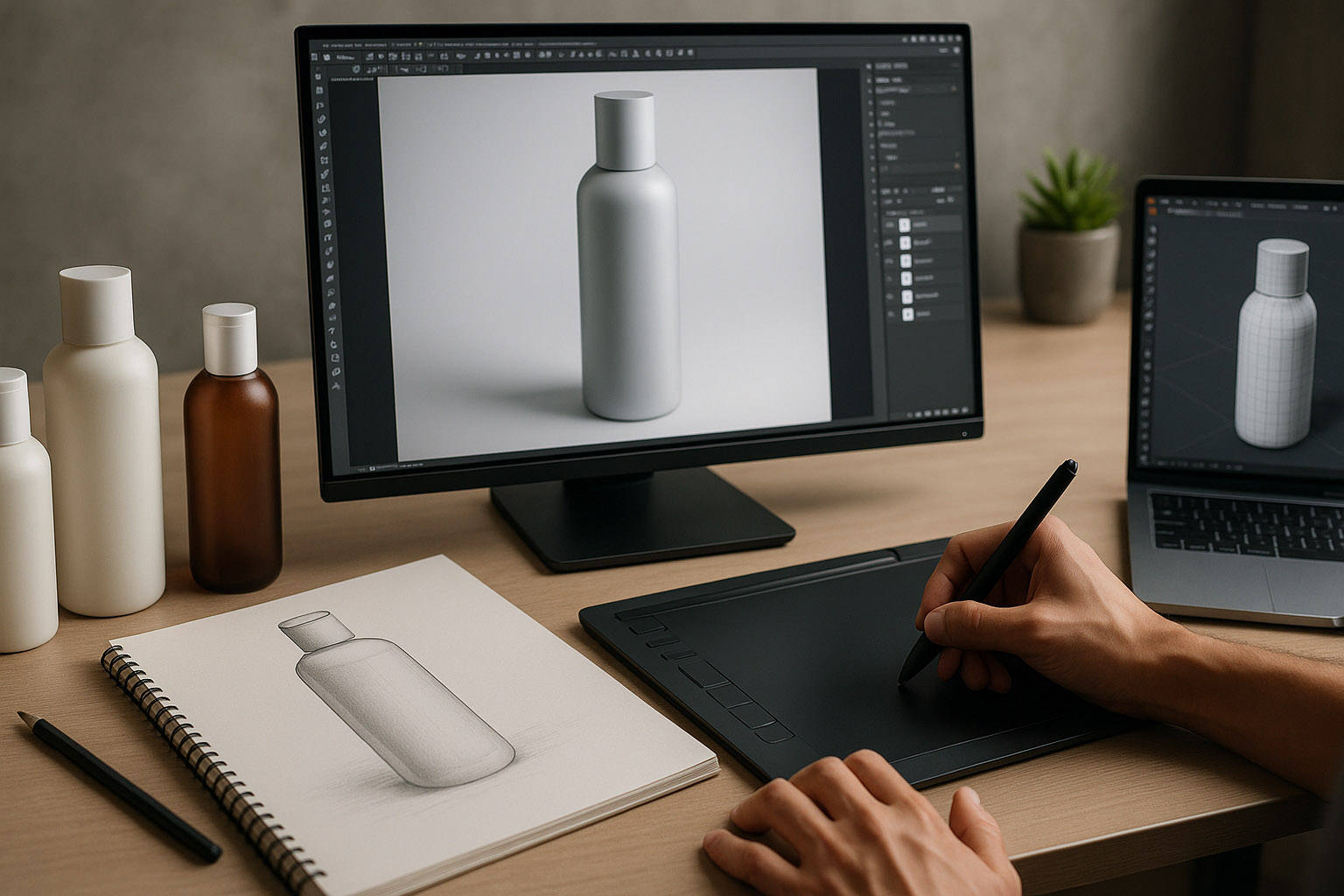
Once the idea is approved, it enters 3D modeling. Designers create form studies to explore how a bottle feels in hand, how it stands, and how light interacts with its surface.
Common tools:
Testing involves both ergonomics and production feasibility — because a beautiful bottle that can’t be filled or capped efficiently isn’t viable.
Luxury brands often collaborate with industrial design consultancies (like PENTAGRAM, IDEO, or Raison Pure) to blend engineering with emotional design.
Budgets vary wildly:
| Product Type | Typical Design Budget | Production Cost per Unit |
|---|---|---|
| Indie / Small Batch | €2,000 – €10,000 | €1–€3 |
| Mid-Range Brand | €10,000 – €50,000 | €0.50–€1.50 |
| Luxury Series | €50,000 – €250,000+ | €5–€20 |
Packaging design is usually 10–15% of the product launch budget, but its visual impact can make or break sales.
A single misstep — like poor ergonomics or unreadable typography in the shower — can cost millions in lost customer trust.
Modern cosmetic packaging juggles aesthetic, function, and eco-friendliness.
Common materials:
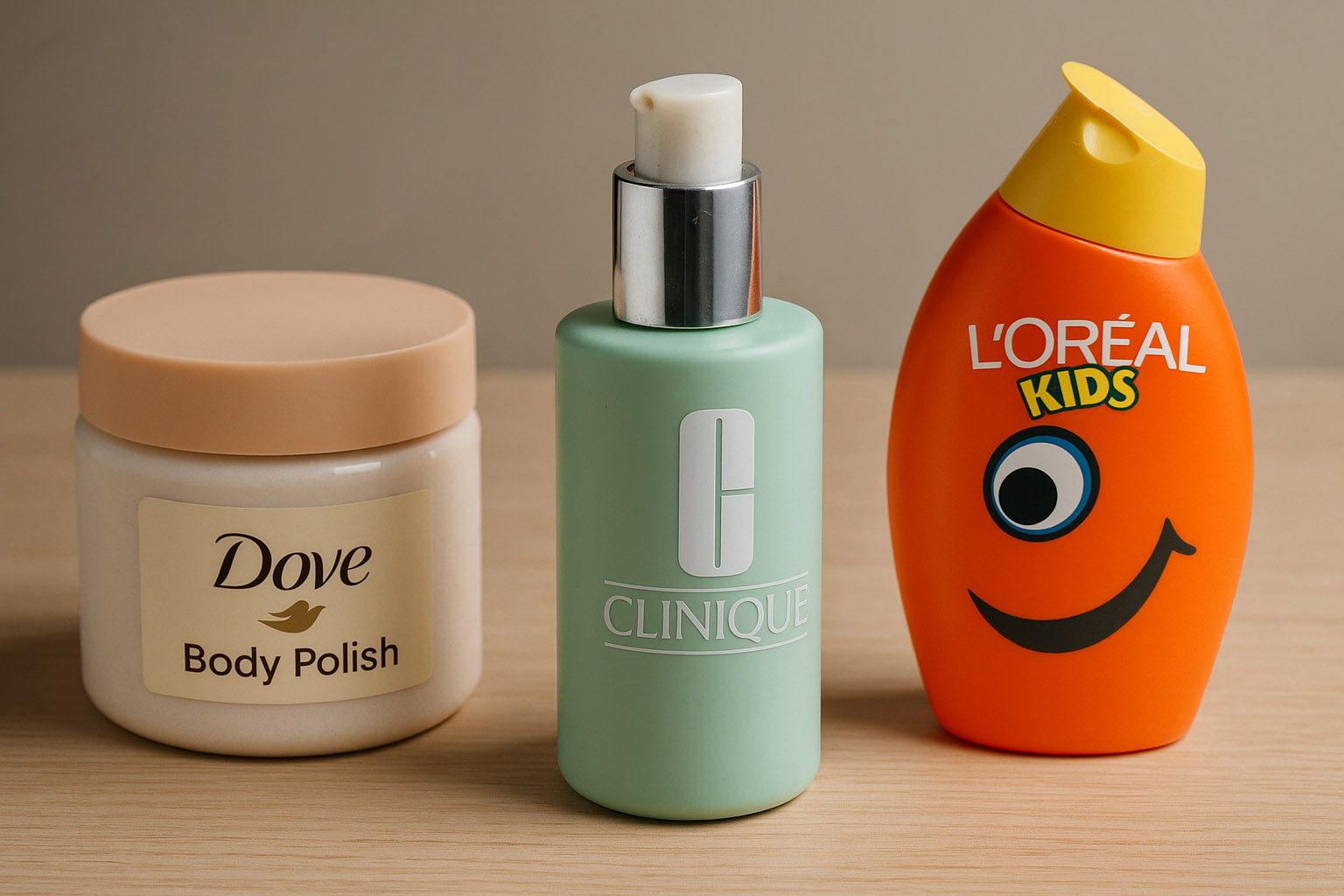
Brands like Lush, The Ordinary, and Fenty Beauty are pushing new materials like bio-resins and recycled PCR plastics — combining design elegance with circular economy goals.
Unknown fact: Many high-end brands use double-wall bottles — not for function, but to make the product look more expensive while holding less actual formula.
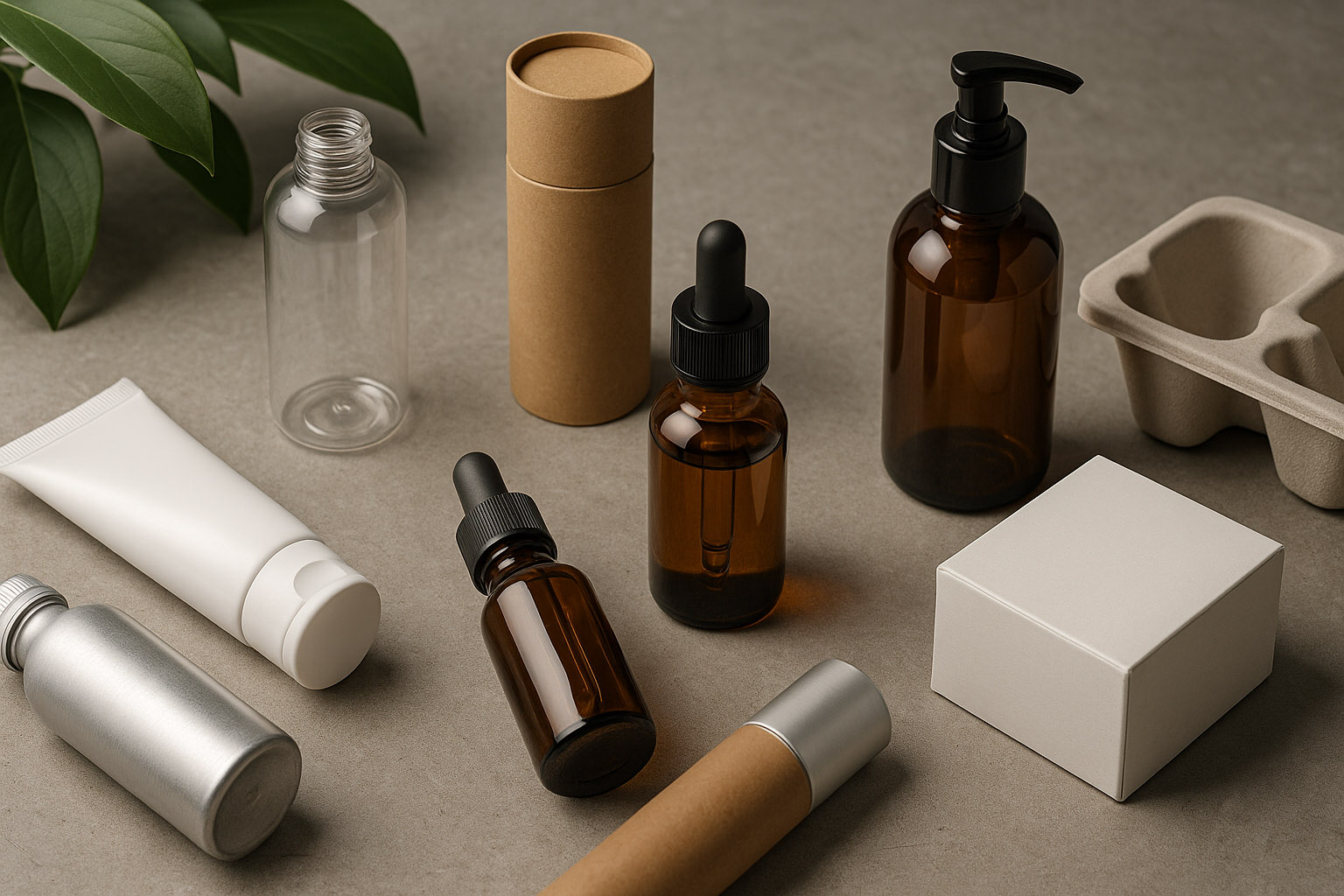
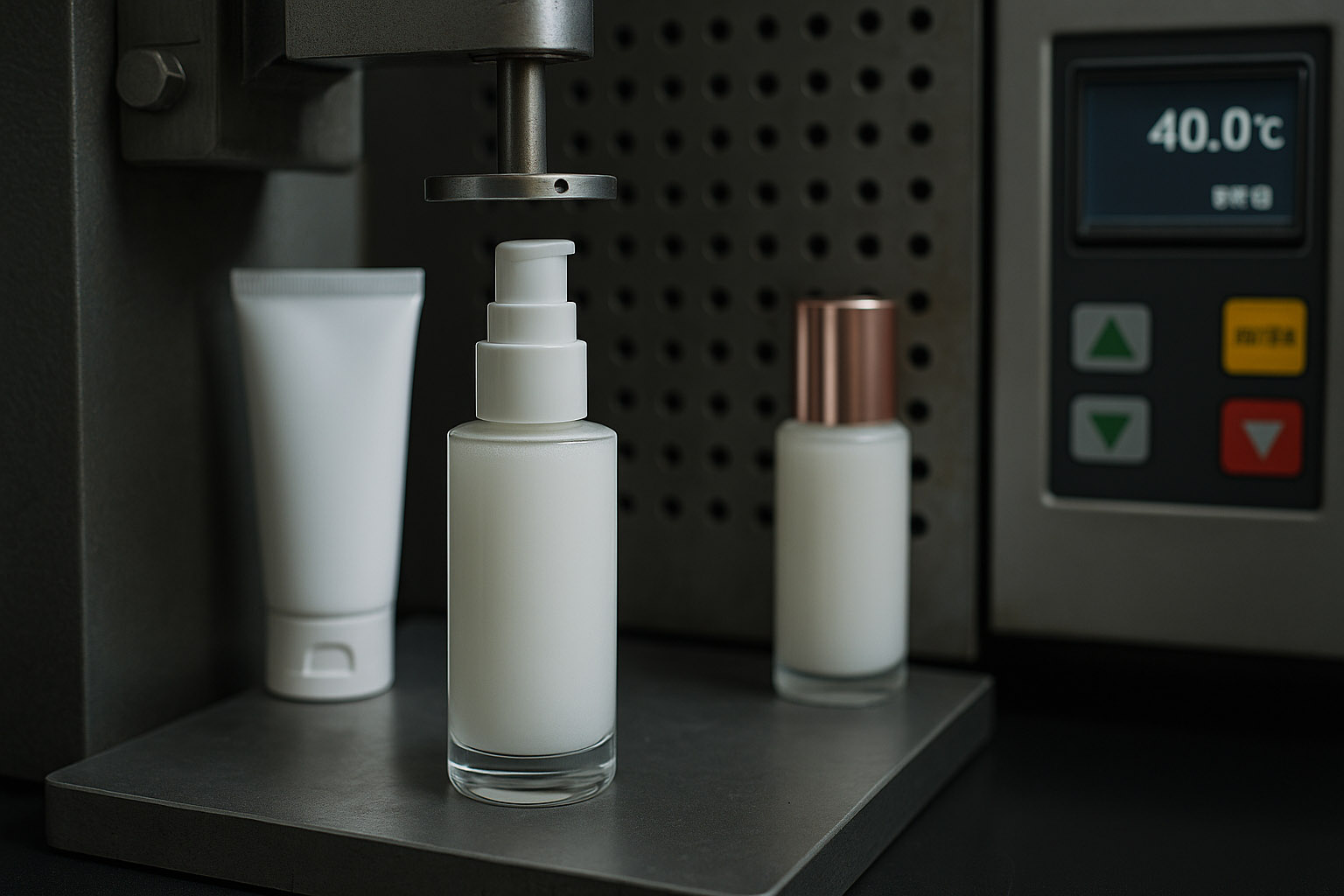
Before any product reaches the shelf, the packaging itself is tested:
A 2022 study found that 40% of consumer complaints in cosmetics are linked not to formula, but to packaging usability — from pumps clogging to caps breaking.
Hidden gem: In the 1980s, Estée Lauder used real gold dust in some limited-edition perfume bottles — later discontinued due to cost and ethical concerns.
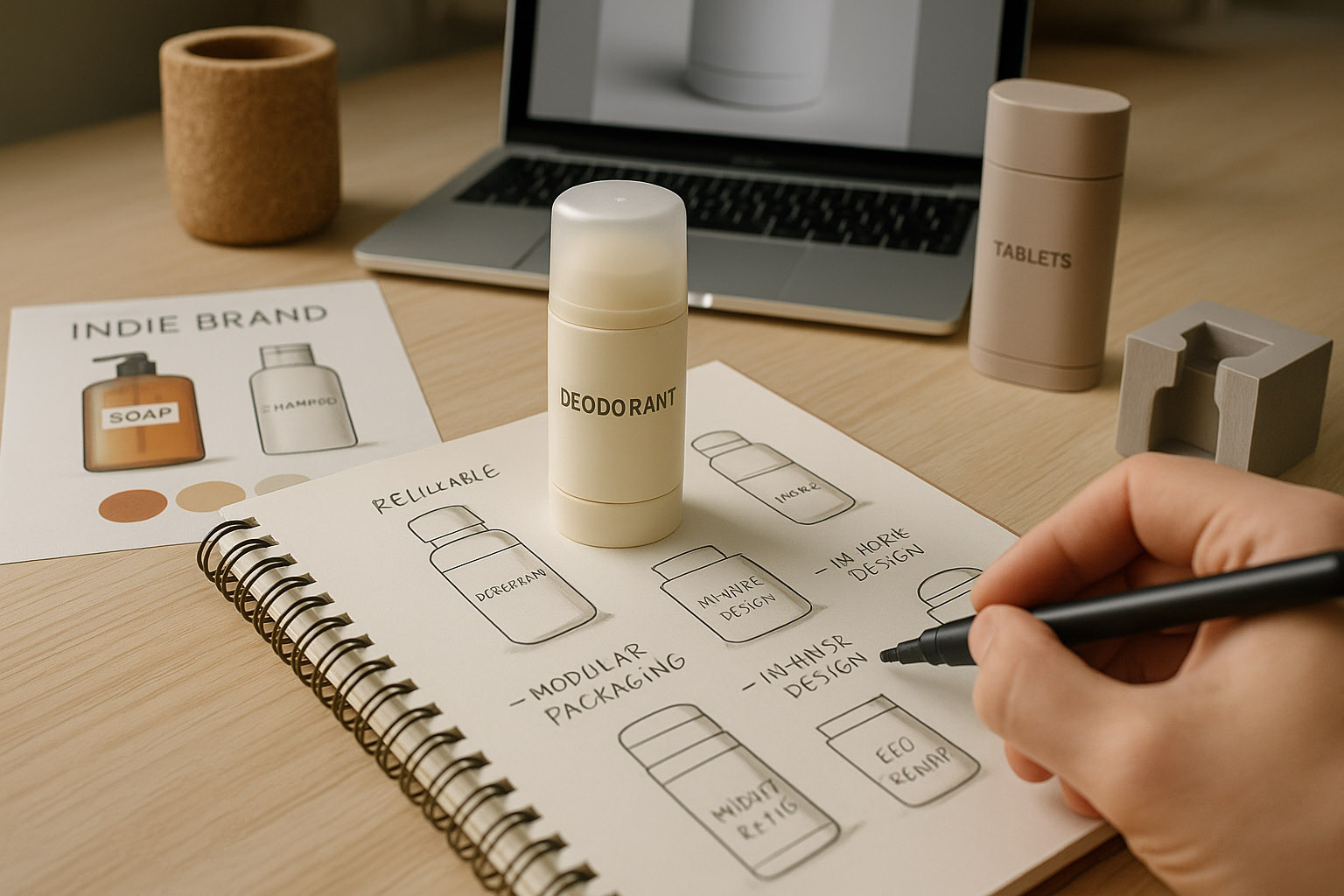
Smaller brands are rewriting the rules. With tools like Figma, Canva Pro, Blender, and 3D printing, indie founders can test designs in-house for a fraction of the cost.
Micro-batch lines like By Humankind and Wild Refill use modular refillable packaging that balances aesthetics with eco impact.
A new niche is emerging — “slow packaging”, where brands update visuals every few years instead of chasing trends. Think of it as the “capsule wardrobe” of cosmetic design.
Even in the luxury world, packaging often launches before the formula is finalized.
That’s why some brands secretly redesign bottles mid-cycle — same look, slightly different shape, to fix production issues.
In many agencies, the packaging designer is one of the first and last people to touch a cosmetic product before launch — bridging marketing, engineering, and emotion.
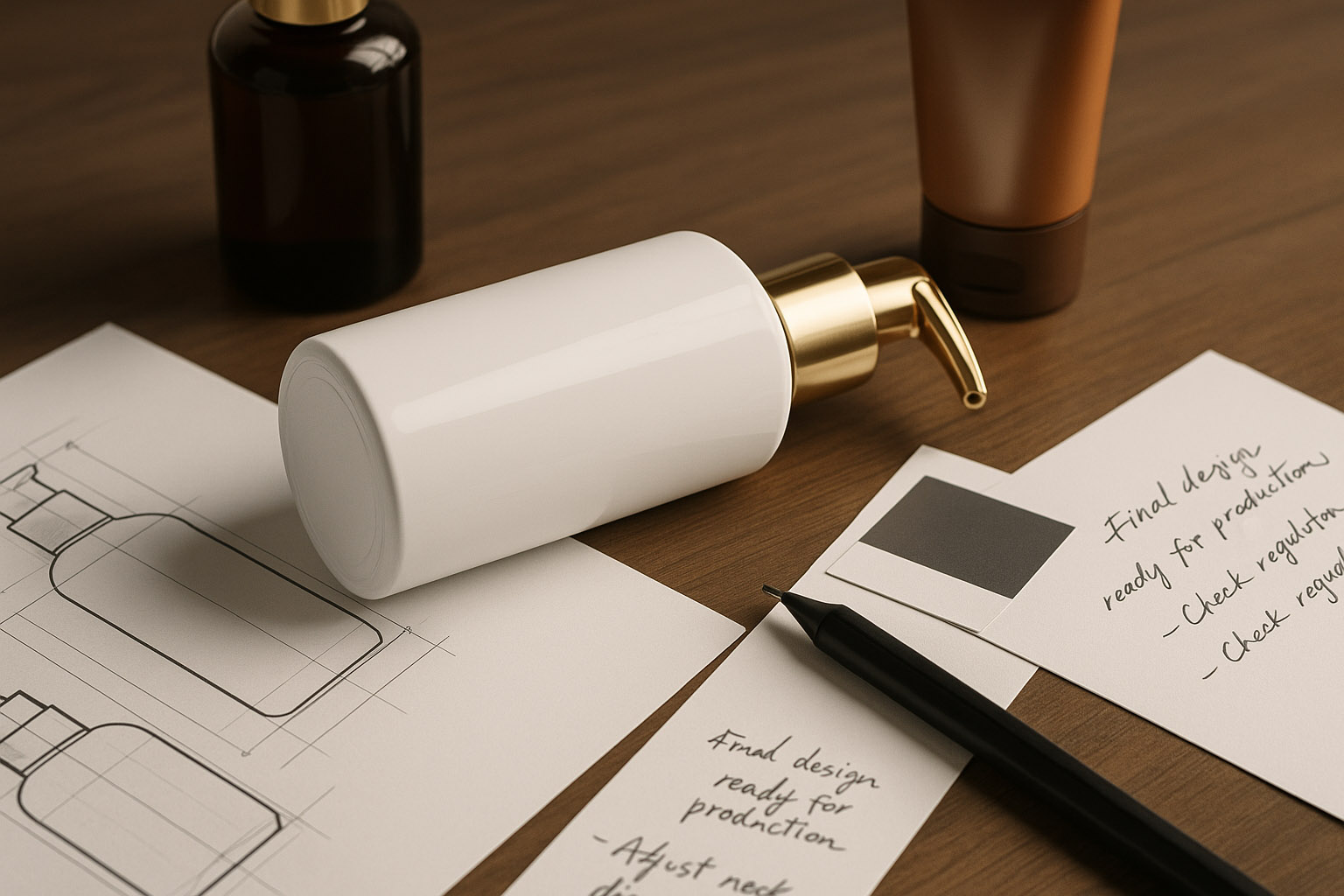
Next time you pick up your favorite moisturizer, remember: it’s not just a bottle.
It’s a piece of design engineering — born from months (or years) of iteration, emotion, and storytelling.
“And like every good design story, it started with a sketch or quick vector draft in some favourite 2D software.”
News, insights, case studies, and more from the rausr team — straight to your inbox.
Send us your brief, your wildest idea, or just a hello. We’ll season it with curiosity and serve back something fresh, cooked with care.