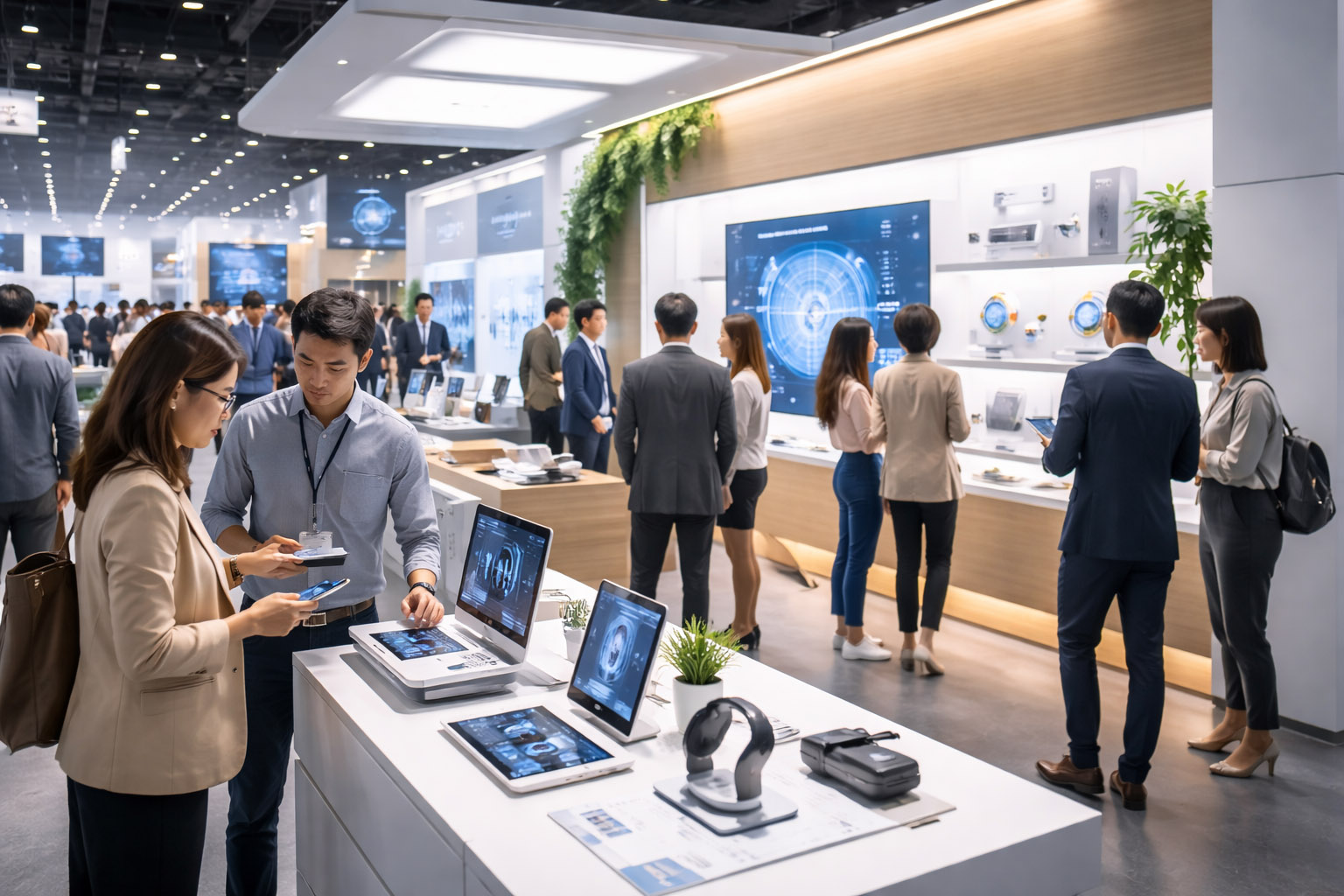
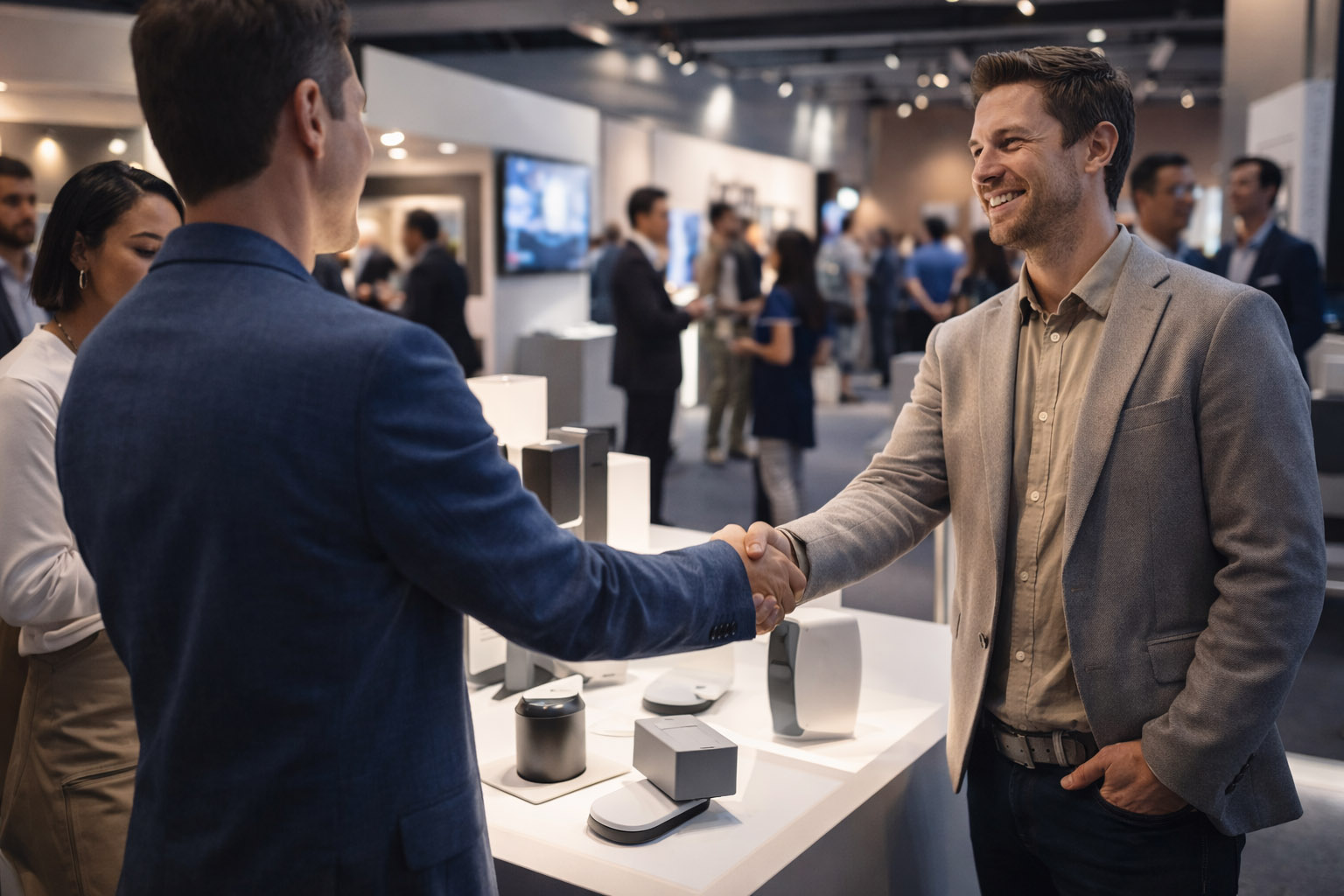
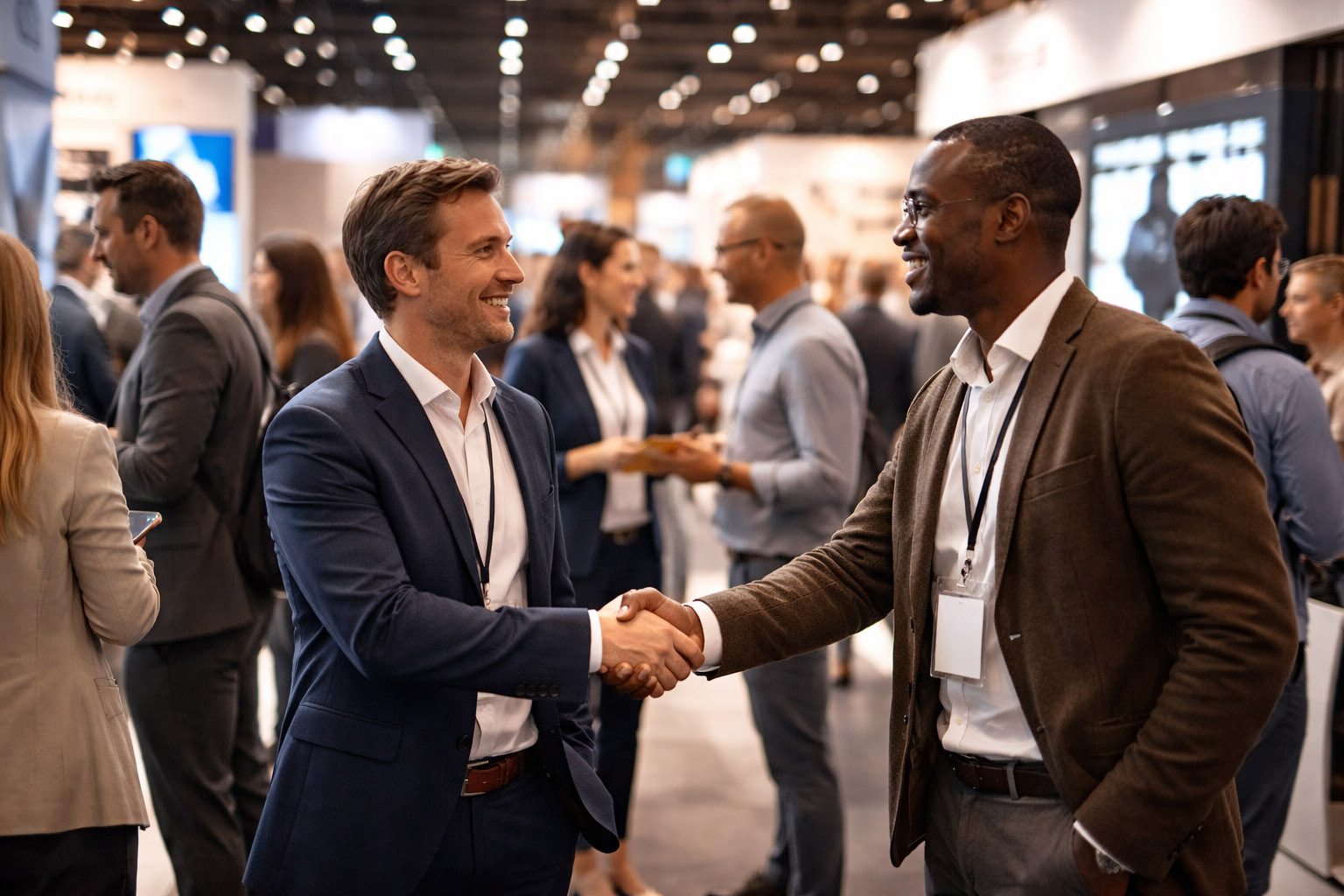
Exhibitions were “supposed to end”. They didn’t.
During COVID, it sounded inevitable: trade shows would become virtual halls, networking would turn into scheduled video calls, and product launches would live entirely in digital rooms.
For a moment, it even looked true. Event platforms exploded. VR demos got headlines. People learned to buy without traveling.
But after the novelty faded, a different reality returned:
People still want to meet people.
They want to touch products.
And they still trust brands more when they’ve stood in front of them.
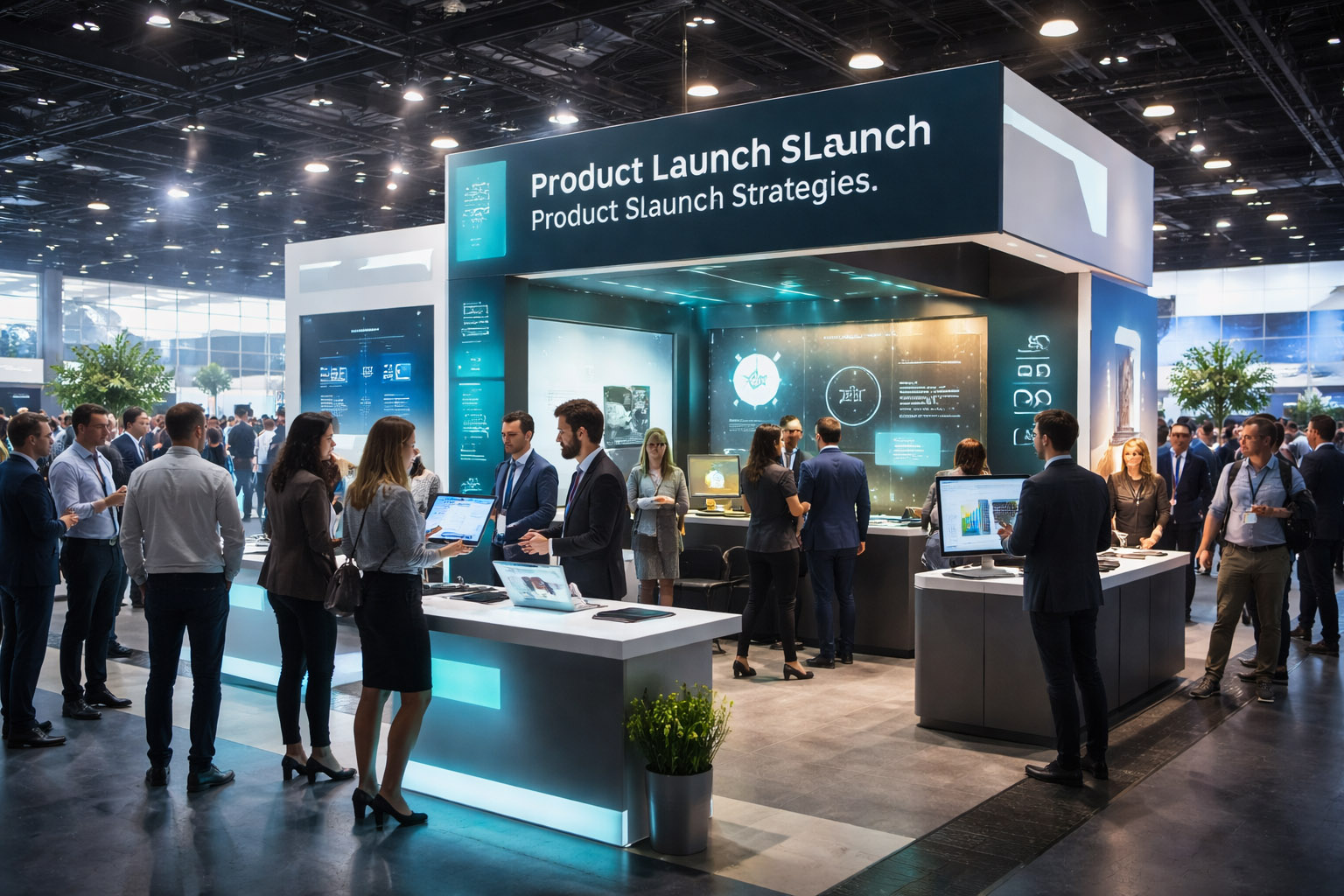
This article is about exhibitions as a real-world networking machine — one of the strongest ways to build relationships with potential customers and partners, especially when you’re presenting something new.
Why In-Person Exhibitions Refuse to Disappear
Virtual events solve comfort. Exhibitions solve something harder: trust at scale.
In real halls, your audience gets:
- multi-sensory proof (touch, weight, materials, sound, speed)
- social proof (who else is here, who queues, who stops)
- context (how your product compares when competitors are 20 meters away)
- human calibration (tone, micro-signals, sincerity)
“Digital can explain. Physical can convince.”
Hidden mechanism: “Costly signaling”
Economists use this term for actions that are expensive enough to be meaningful.
Showing up to an exhibition (travel, booth cost, logistics, time) signals:
- you’re stable enough to invest
- you’re confident enough to be compared live
- you expect to be around after the show
That’s why real-world presence often accelerates trust faster than weeks of emails.
Unknown insight: many top exhibitors don’t optimize for “leads” first — they optimize for qualified conversations per hour. It sounds small, but it changes everything: the booth becomes a conversation tool, not a brochure stand.
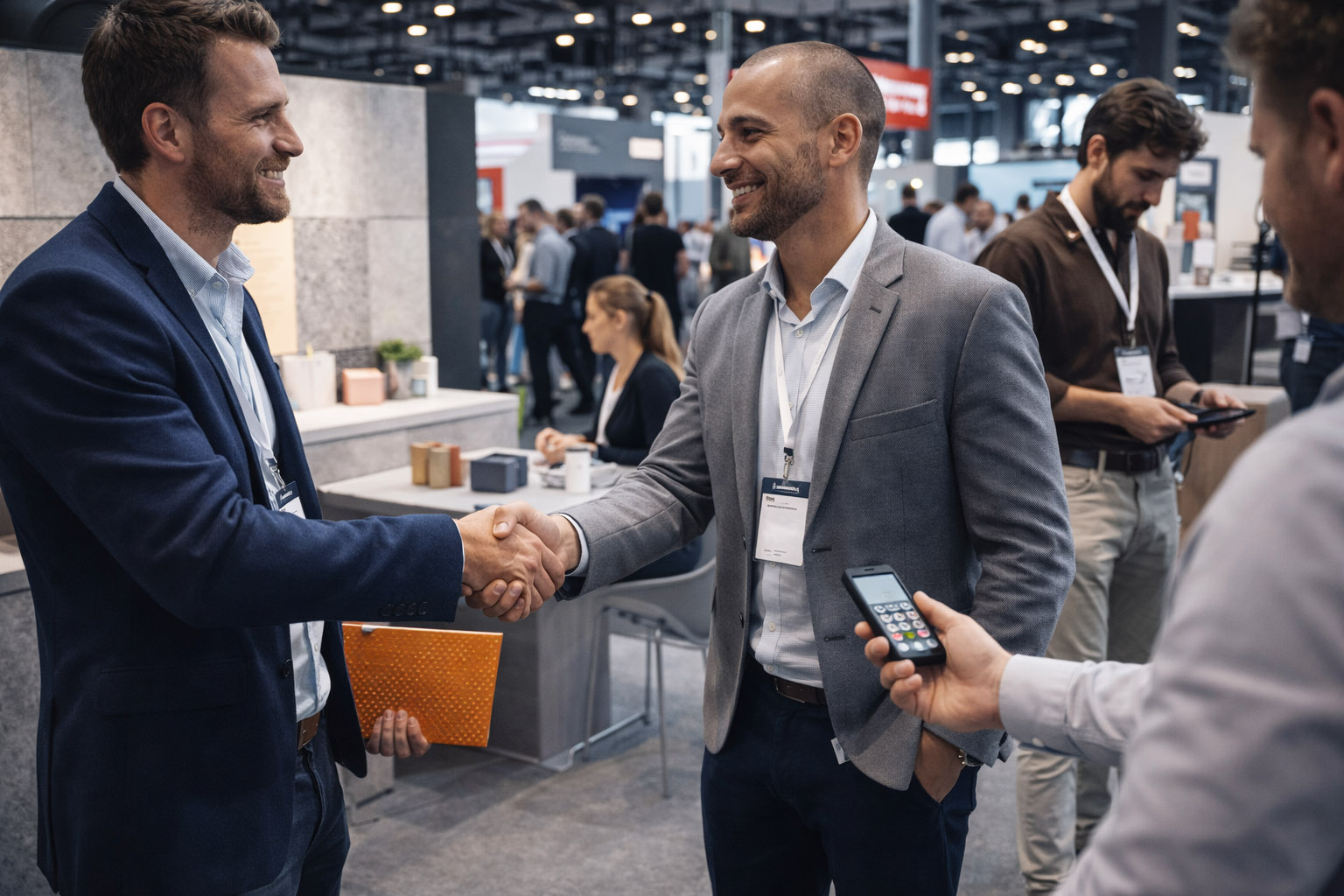
Exhibitions as a Relationship Engine
Not Just Marketing
If you treat a show as “brand visibility”, you’ll get impressions.
If you treat it as relationship architecture, you’ll get:
- partners who introduce you to other partners
- customers who become advocates
- distributors who explain how the market really works
- industry insiders who give you the missing detail that wasn’t in any report
This is what exhibitions uniquely do well: compress time.
In two days you can achieve what normally takes:
- 30–60 cold emails
- 10 awkward calls
- 3–6 months of slow trust building
Why “Touch” Still Matters in a Digital Economy
Even if your product is digital, the buying decision is rarely purely digital.
Humans buy with:
- risk perception
- reputation signals
- confidence in support and delivery
- belief that you understand their problems
Physical presence communicates those things quickly.
The “three proofs” buyers look for on the show floor
- Product proof: “Does it work the way you claim?”
- Team proof: “Do I trust these people?”
- Momentum proof: “Is this brand growing or fading?”
Virtual demos can show product proof.
Only real presence delivers team proof and momentum proof at full strength.
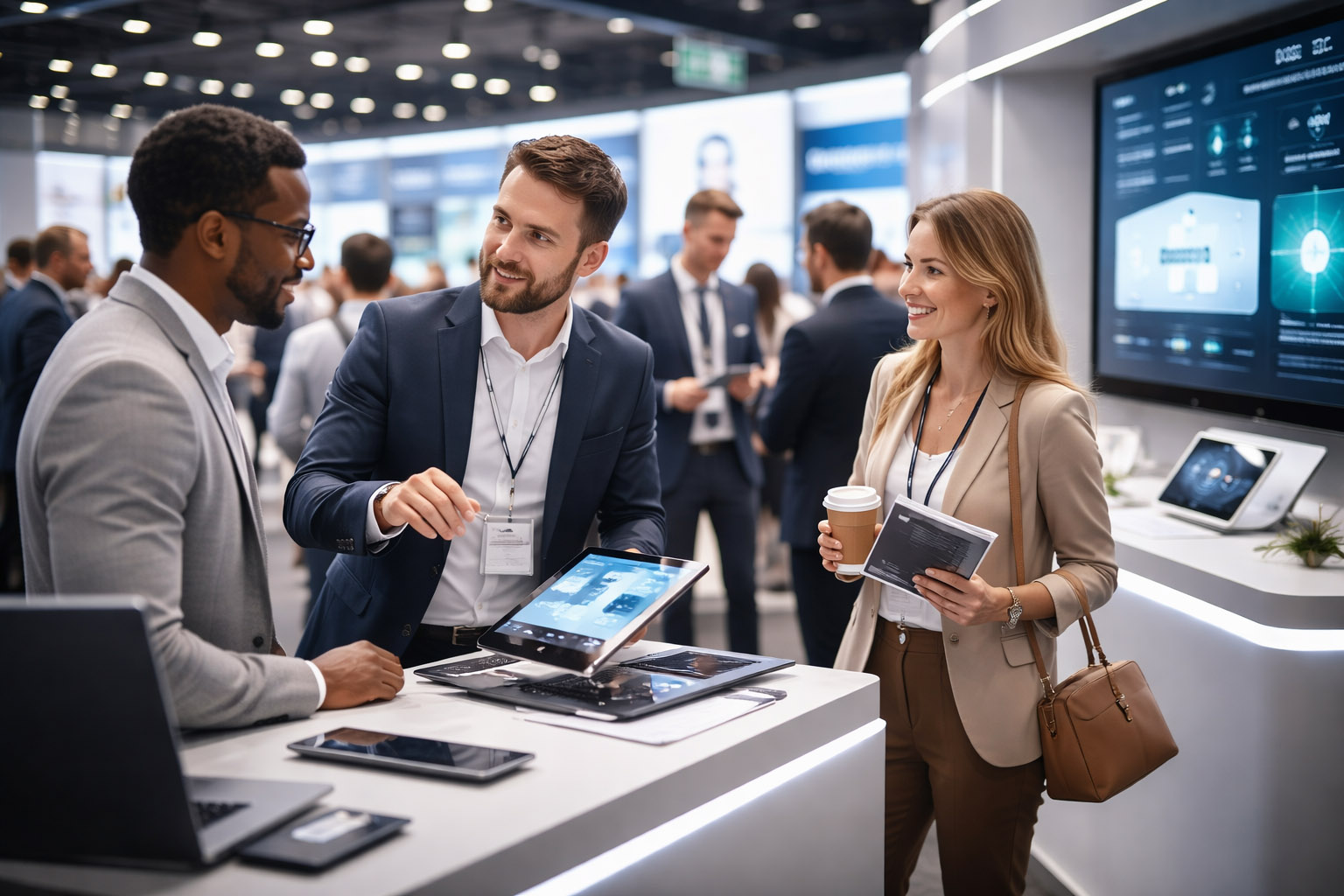
The Exhibition Booth Is a Funnel You Can Walk Through
The best stands are designed like a story:
1) Attract (3 seconds)
Your visitor decides instantly:
- do I understand what they do?
- is it relevant to me?
- is it safe to approach?
2) Engage (30 seconds)
You earn a first conversation with:
- a clear “what we solve”
- a single hero product or hero message
- a demo that does something visible
3) Convert (3 minutes)
Conversion at an exhibition rarely means “buy now.”
It means:
- booking a meeting
- getting the right contact
- agreeing on a next step
- proving fit
Hidden research detail: many fair organizers map visitor flow with heatmaps (camera analytics, Wi‑Fi pings, beacon systems). Booth placement and open-side design can matter more than perfect visuals — because visibility increases “first contact” probability.
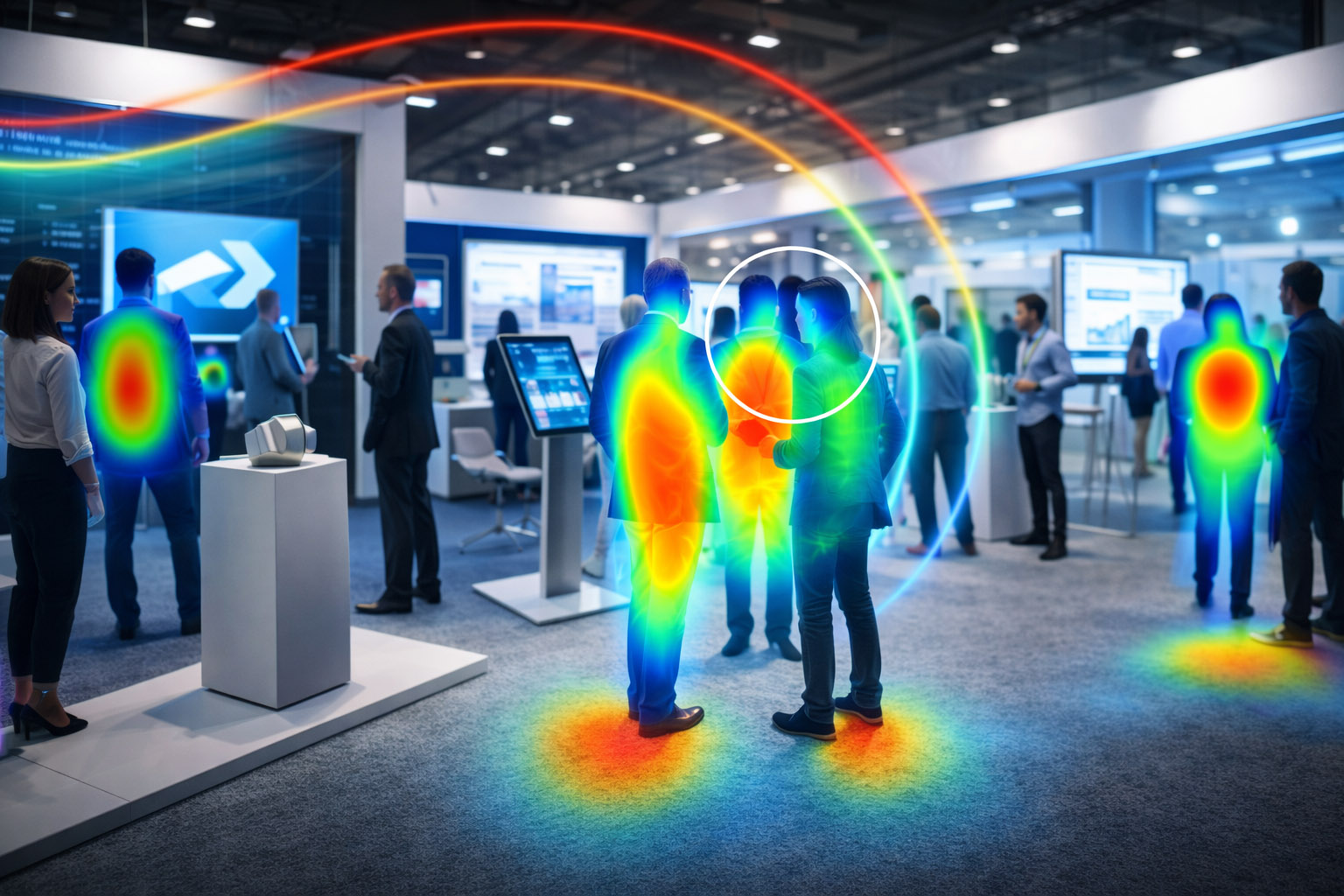
🤯 Unknown Insights & Hidden Research
Some practical realities of exhibitions rarely get said out loud:
- “Lead capture” is often a false metric. Badge scans are easy, but context is what closes deals (problem, budget band, timeline, decision process).
- Many B2B deals start as “peer validation.” Visitors frequently ask other exhibitors or familiar faces which booths are worth seeing — meaning reputation on the floor spreads faster than ads.
- The best networking happens at the edges. Hallways, coffee lines, after-hours meetups, and small side events can outperform the booth itself for partnership-building.
- Booth design affects approach anxiety. High counters, closed seating, and “fortress walls” reduce spontaneous conversations — even if the stand looks premium.
- Competitor proximity is not always bad. Being near the “category cluster” can increase qualified traffic because visitors arrive already in buying mode.
What Killed the “Digital-Only Exhibition” Prediction
The prediction wasn’t wrong about technology — it was wrong about people.
Digital platforms improved:
- discovery
- scheduling
- documentation
- follow-up
But they failed at:
- serendipity
- emotional energy
- spontaneous trust
- “accidental” meetings that change partnerships
The future isn’t physical vs digital. It’s physical, enhanced by digital.
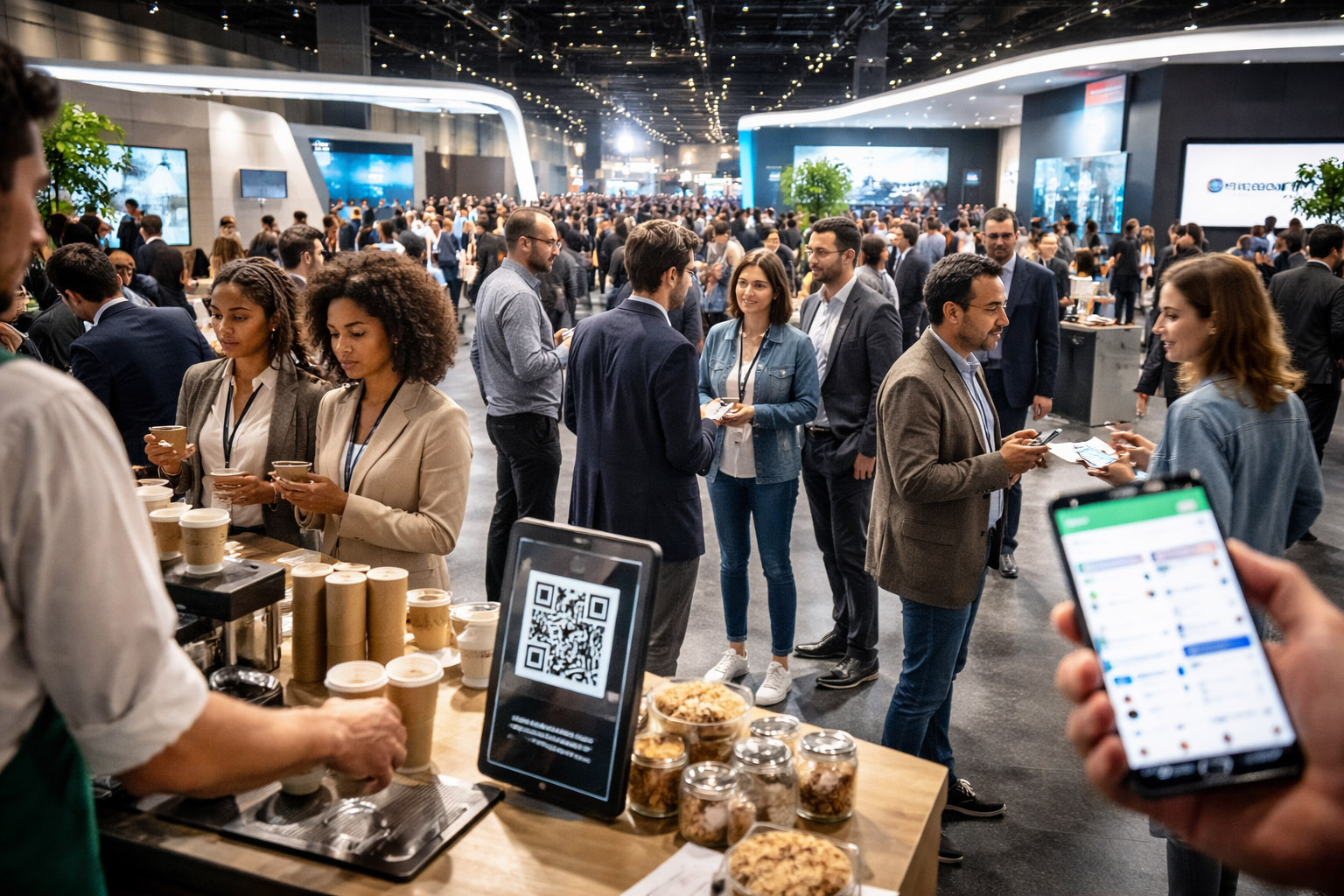
The Future
Hybrid Exhibitions That Actually Work
Hybrid doesn’t mean “a VR hall copy.”
Hybrid means the real show becomes the center, and digital tools extend it before and after.
What will be normal (and already is in many industries)
- Pre-event matchmaking: opt-in attendee profiles + meeting booking
- Micro-demos online: 90-second proof videos sent before the show
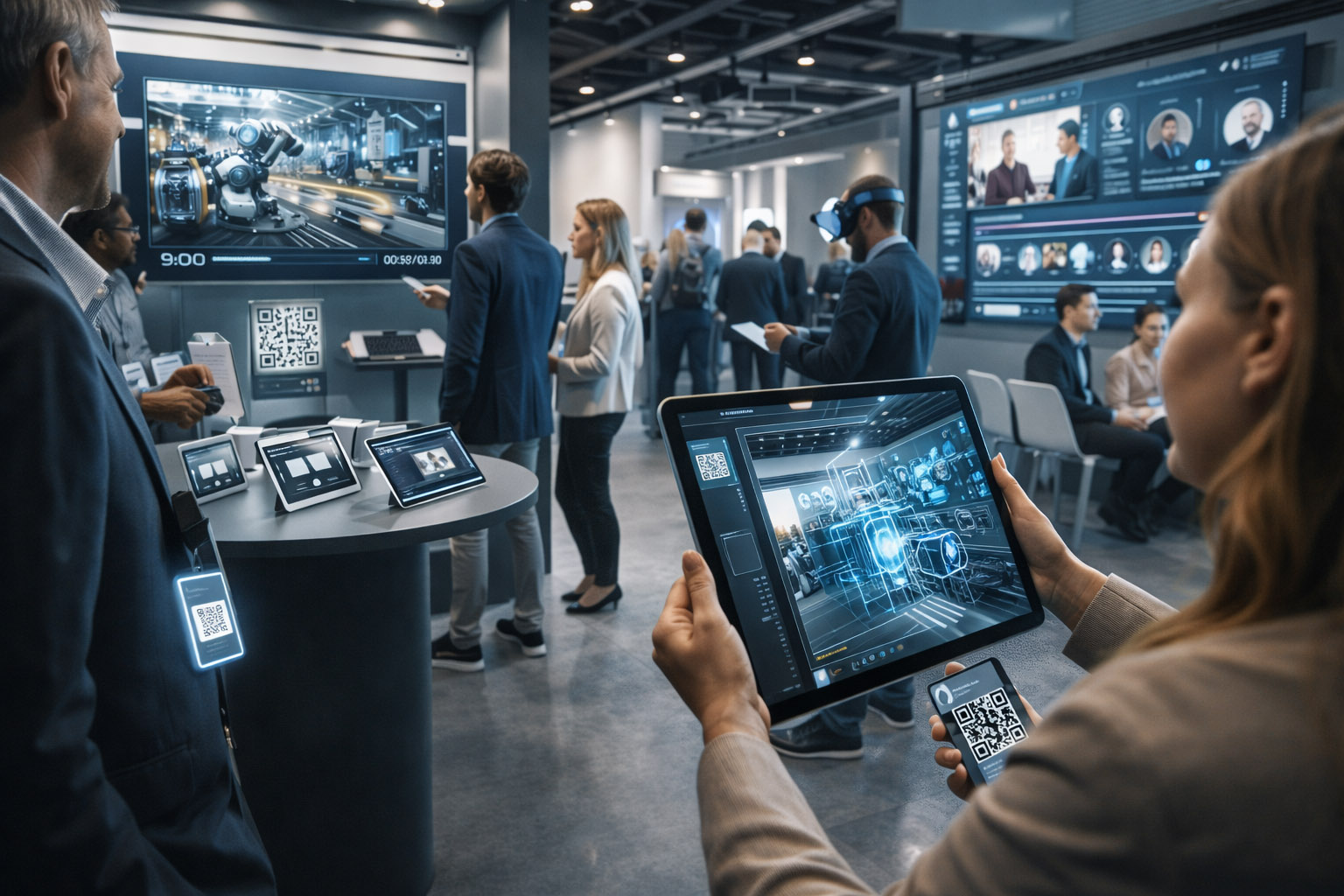
- Smart badges / QR follow-up: instant “send me the deck” without paper
- Post-show community: a smaller digital room where real conversations continue
Where VR and AR fit (usefully)
- training the booth team with simulated visitor scenarios
- letting buyers explore variants that aren’t physically on the stand
- visualizing large systems (factories, installations, complex logistics)
“VR is great at scale visualization. Exhibitions are great at relationship scaling.”
How to Use an Exhibition to Launch a New Product or Service
If you’re introducing something new, exhibitions can give you the fastest feedback loop you’ll ever get — if you design for it.
Before the show: build a “conversation architecture”
- Define your ideal visitor (industry, role, pain point, budget range)
- Decide one measurable goal: meetings booked, partner intros, pilot signups
- Prepare 2 versions of the pitch: 10 seconds and 60 seconds
- Make the demo physically obvious: screens are fine, but interaction is better
- Plan follow-up paths: “book a call”, “pilot request”, “pricing”, “partner program”
During the show: optimize for quality, not volume
- Make it easy to approach: open corners, clear entry, no “sales wall”
- Use a simple question that qualifies politely: “What are you trying to improve this year?”
- Capture context, not just contacts: role + problem + timeline + next step
After the show: speed decides ROI
Follow up in 24–72 hours with:
- one recap sentence (“you said X, so here is Y”)
- one proof asset (case, demo link, spec)
- one clear next step (calendar link, proposal, sample)
Unknown insight: the most expensive part of exhibitions is often not the booth — it’s the lost follow-up window. Many leads go cold simply because the first message arrives too late.
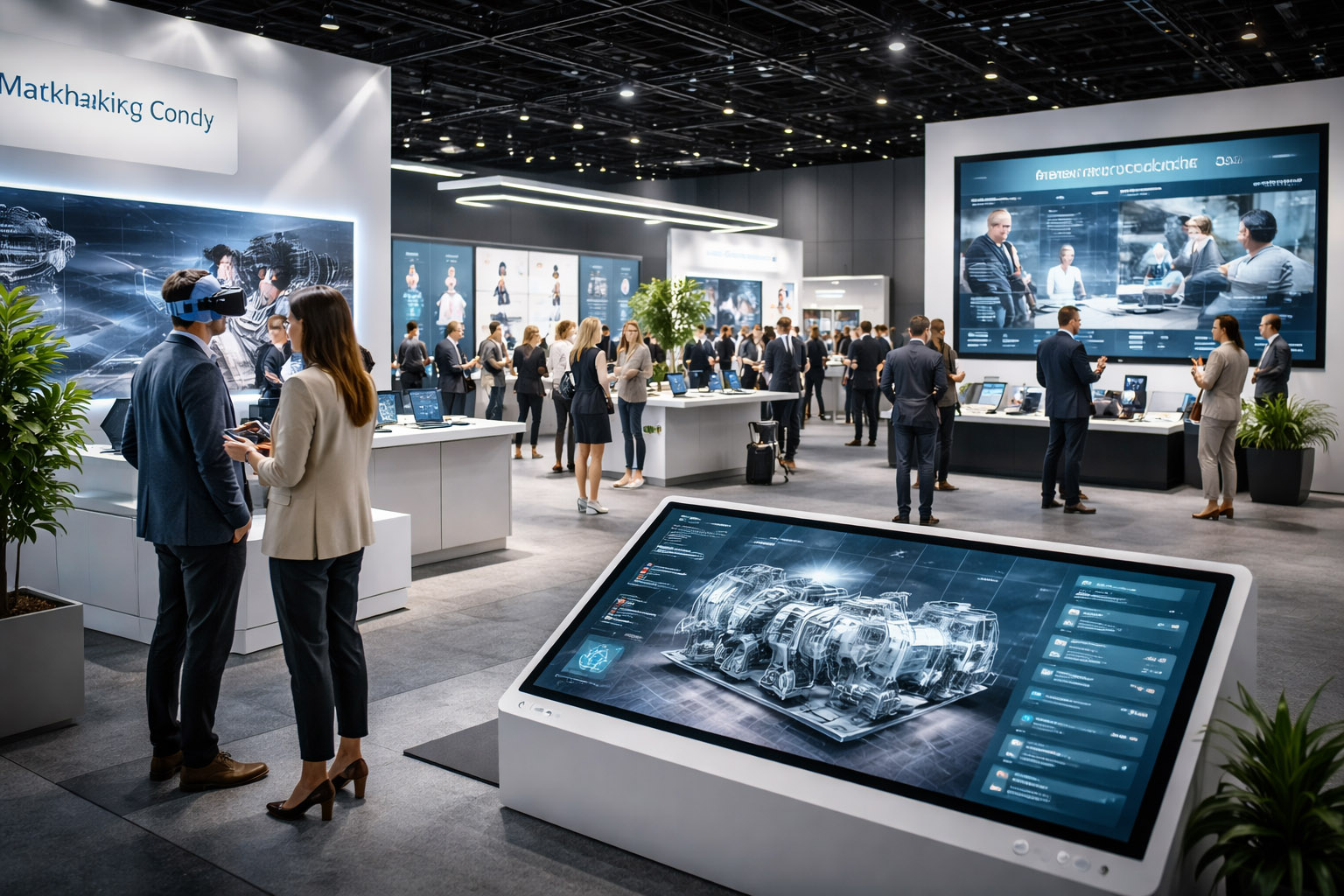
The Next Wave
Big shows remain powerful. But the future also includes:
- regional niche fairs (higher relevance, less noise)
- invitation-only demo days (quality meetings, fewer “tourists”)
- community exhibitions around a single theme (sustainability, manufacturing, health tech)
- brand-owned pop-up exhibitions (your rules, your narrative, your audience)
These formats feel more “human” — and they often generate stronger partner relationships than giant halls.
Summary
Exhibitions didn’t survive because they were traditional. They survived because they do something digital still struggles to replicate:
- they create trust faster
- they make products real
- they turn marketing into relationships
- they compress months of networking into days
If you’re launching a new product or service, a well-designed exhibition presence can be one of the most efficient ways to find customers, partners, and market truth — in the same room.