From Sketch to Showroom: How Car Designs Are Made
A deep dive into the creative and technical process of automotive design — from hand sketches to 3D modeling and prototypes.

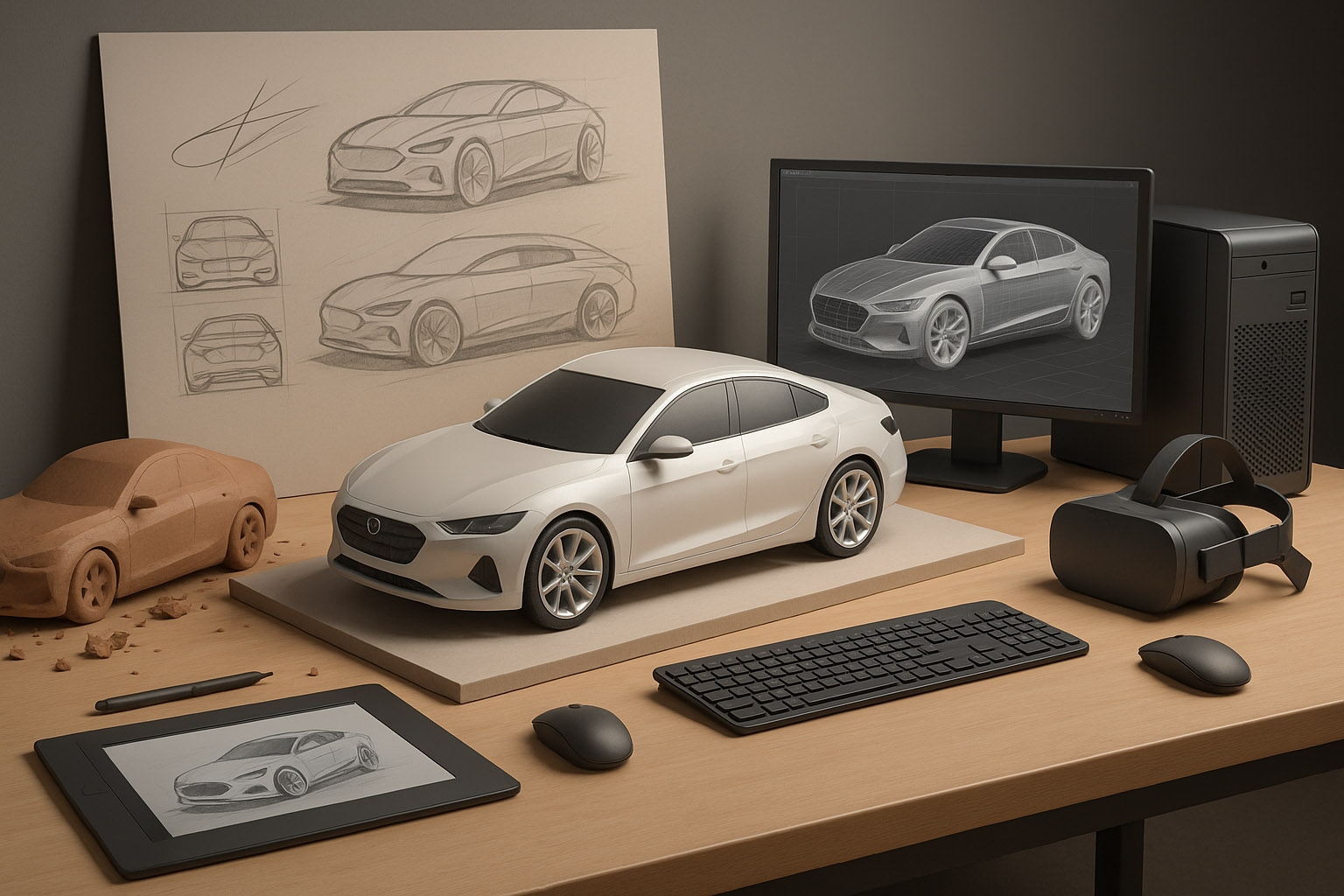
A deep dive into the creative and technical process of automotive design — from hand sketches to 3D modeling and prototypes.
“Car design is where engineering meets art — a long process shaped by creativity, ergonomics, aerodynamics, and technology.”
Designing a car is one of the most complex creative processes in the design industry. It combines traditional craftsmanship with the most advanced digital tools. This article looks at how designers approach automotive projects today, how the process evolved through the computer era, and what tools make it possible.
Beyond the technical aspects, car design holds a significant place in culture and industry. Automakers use design as a critical differentiator to build brand identity and emotional connections with customers. The shape, lines, and details of a vehicle convey values such as luxury, sportiness, or eco-friendliness, influencing buyer perception and loyalty. Emotional appeal is key — a car’s design can inspire passion, pride, or status, making it much more than just transportation.
Traditionally, designers were trained through rigorous art and design education. Prestigious institutions like ArtCenter College of Design in Pasadena or Pforzheim University in Germany have long been incubators of automotive talent. Students learned fundamentals of drawing, sculpture, and industrial design, often working on physical models and sketches before ever touching a computer. Apprenticeships and mentorships at car companies also played a vital role, passing down craftsmanship and aesthetic sensibilities through generations.
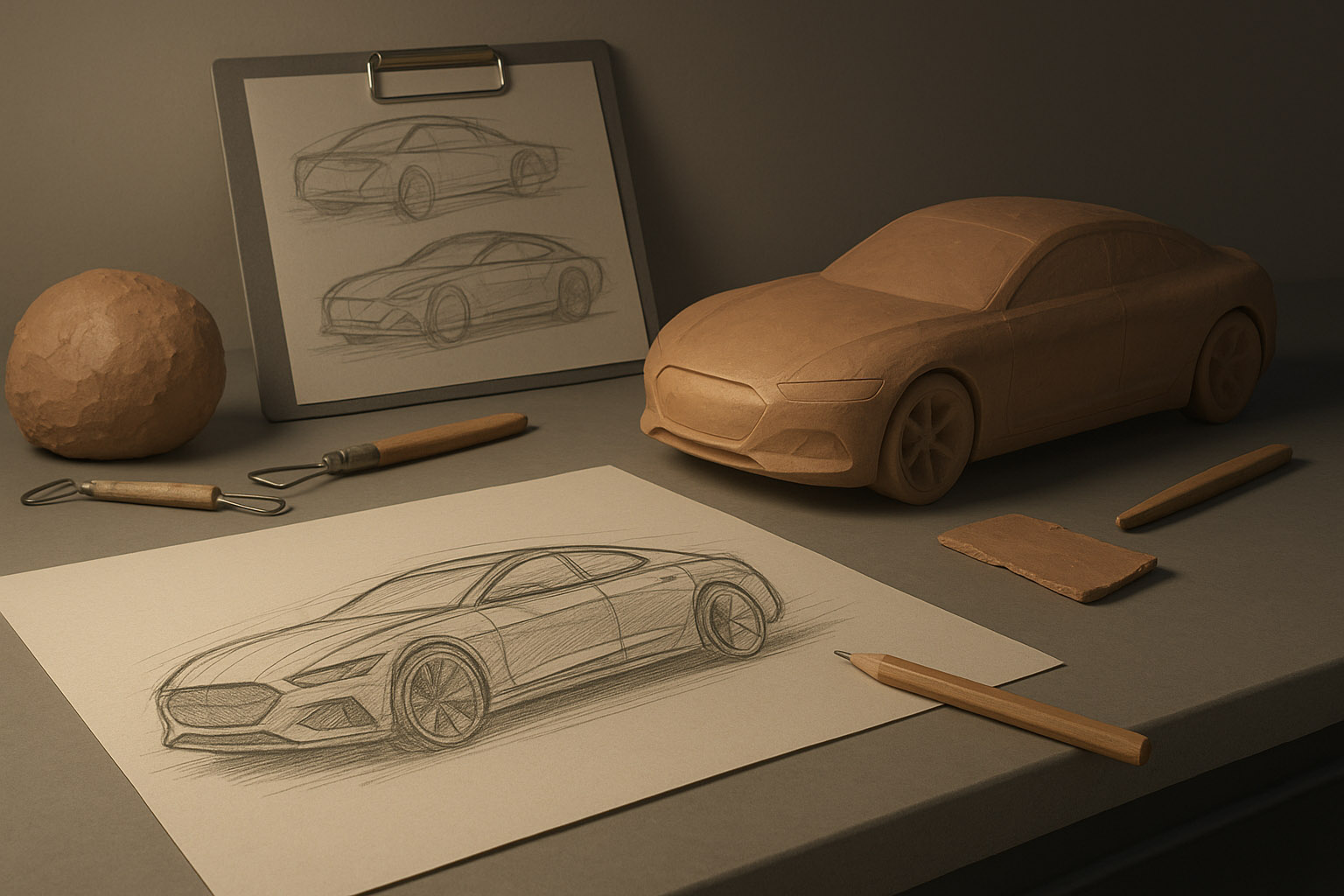
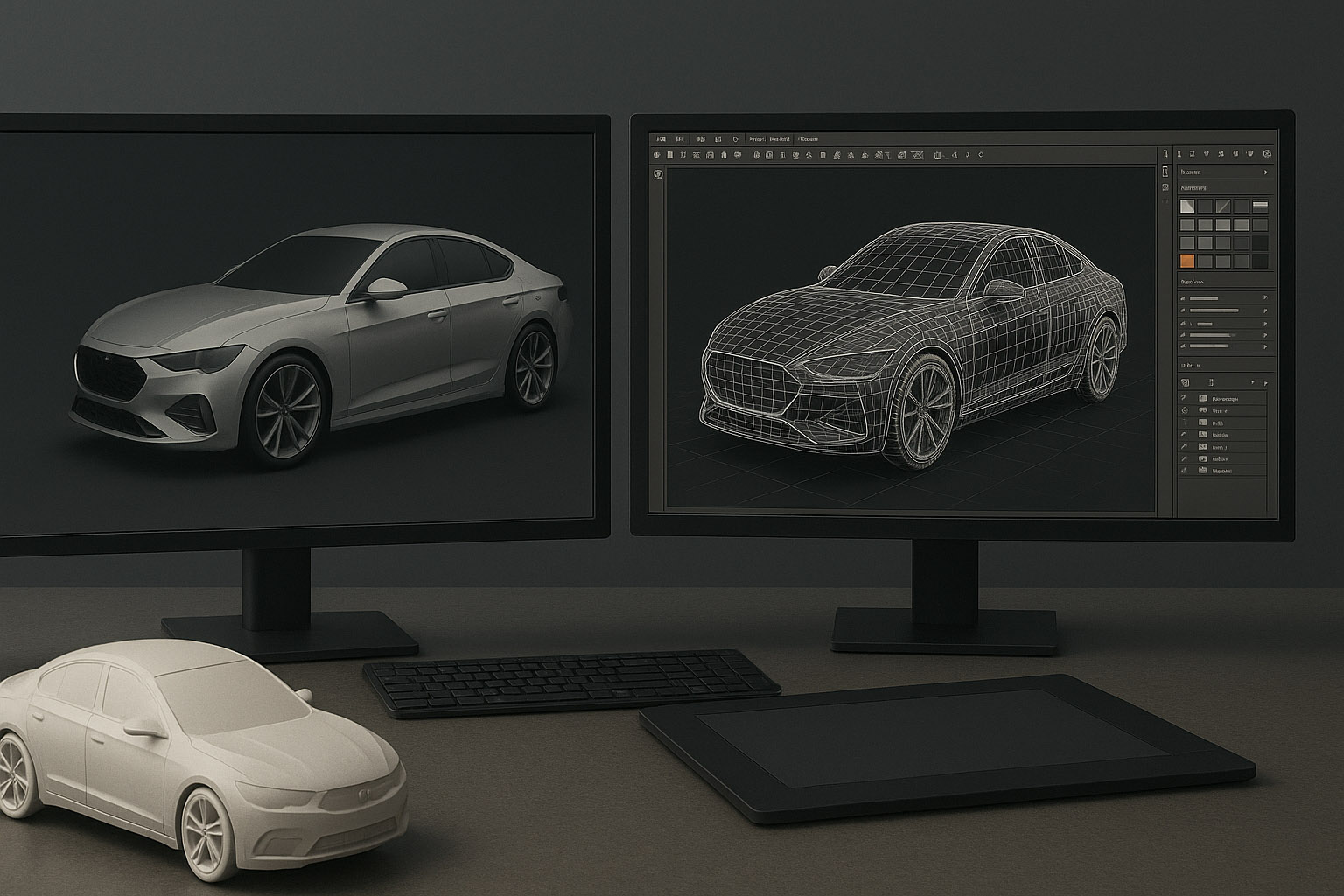
With computers entering design studios in the 1980s–90s, the process started to change:
Early CAD tools were often limited in functionality and required steep learning curves, sometimes causing friction between creative designers and technically oriented engineers. Over time, modern CAD software has evolved to be more intuitive and collaborative, enabling seamless integration between styling and engineering departments. This synergy has accelerated workflows and improved accuracy, allowing rapid iteration while maintaining design intent and manufacturability.
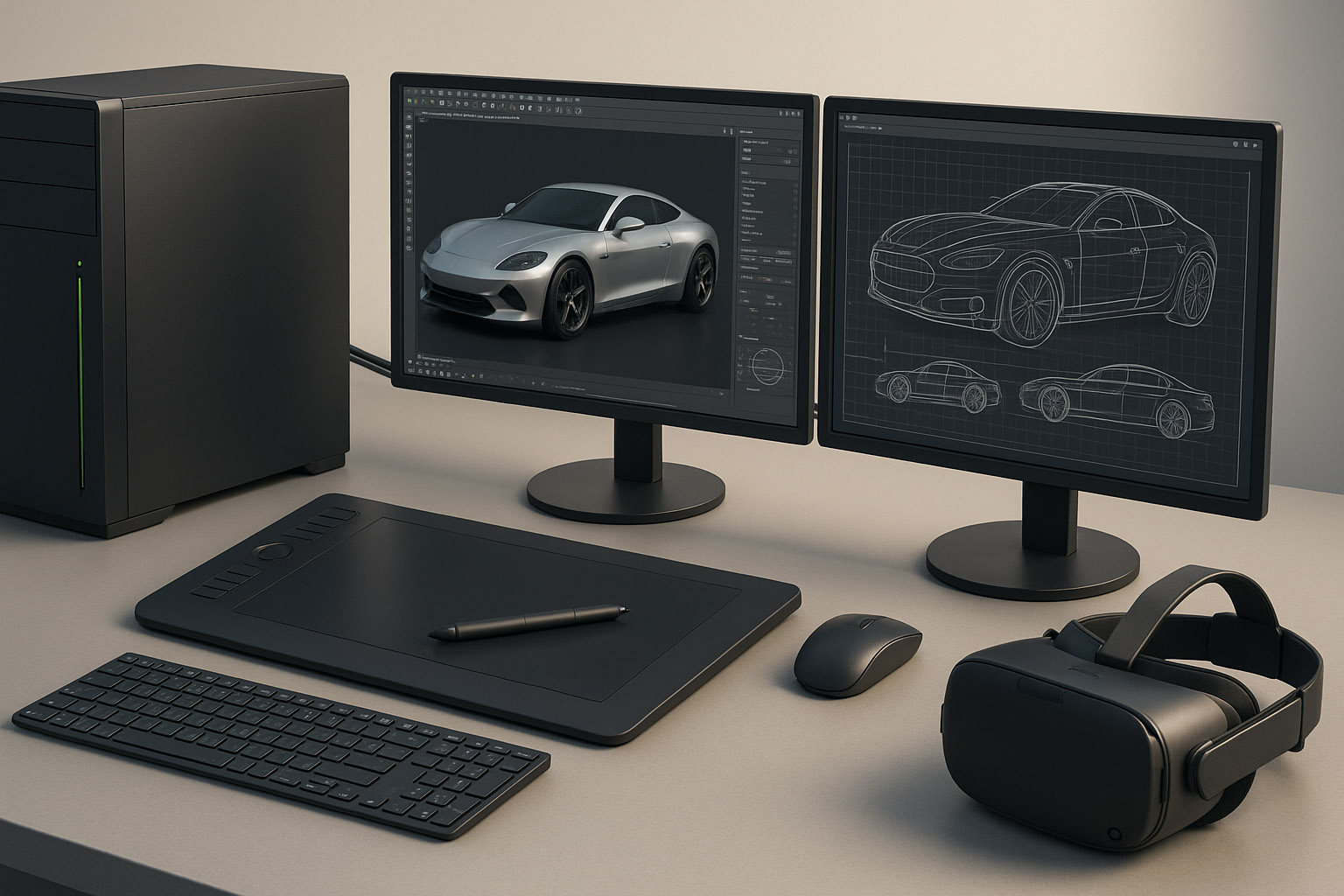
Automotive design requires powerful hardware:
The industry has also seen a major shift toward remote design collaboration, especially following global events accelerating work-from-home trends. Cloud computing platforms now allow teams across different locations to access and work on the same design files in real time. Workstations are increasingly optimized for real-time rendering and AI-assisted workflows, helping designers visualize materials, lighting, and aerodynamics instantly. These advancements enable faster decision-making and more interactive design reviews.
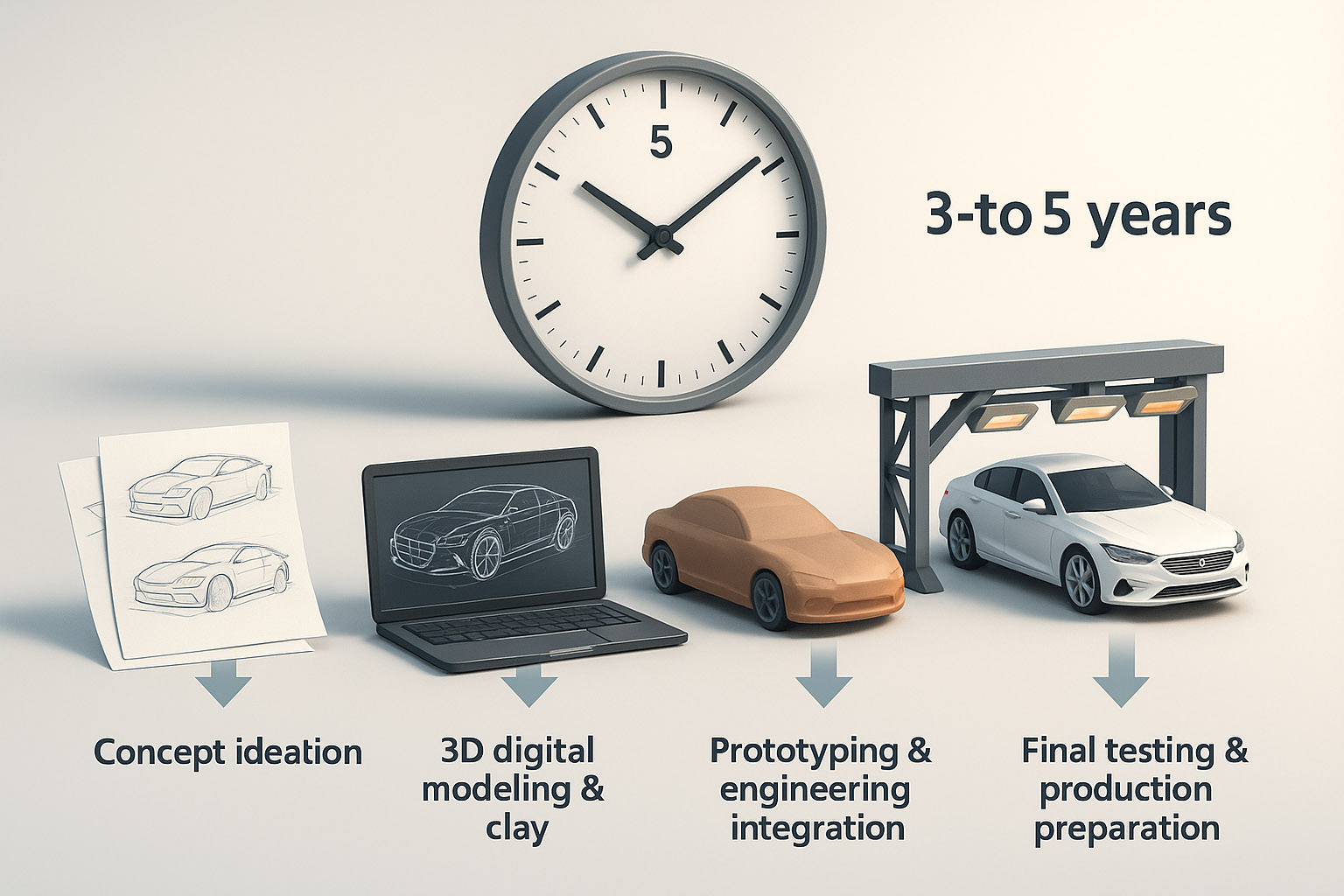
A full car design project can span 3 to 5 years from concept to production:
Timelines vary widely depending on the project scope. For example, Tesla’s Model 3 reportedly took about four years from initial design to production, reflecting the challenges of a new electric platform. Porsche’s Taycan, a fully electric sports sedan, followed a similar multi-year timeline. In contrast, facelifts or mid-cycle refreshes of existing models may take only 12–18 months, focusing on updating styling and technology rather than full redesigns.
Design reviews are a critical part of the process, where cross-functional teams evaluate form, function, and manufacturability. Customer clinics, where prototypes or mockups are shown to potential buyers for feedback, have become increasingly important. These sessions help gauge emotional response, ergonomics, and usability before committing to production, minimizing costly redesigns later.
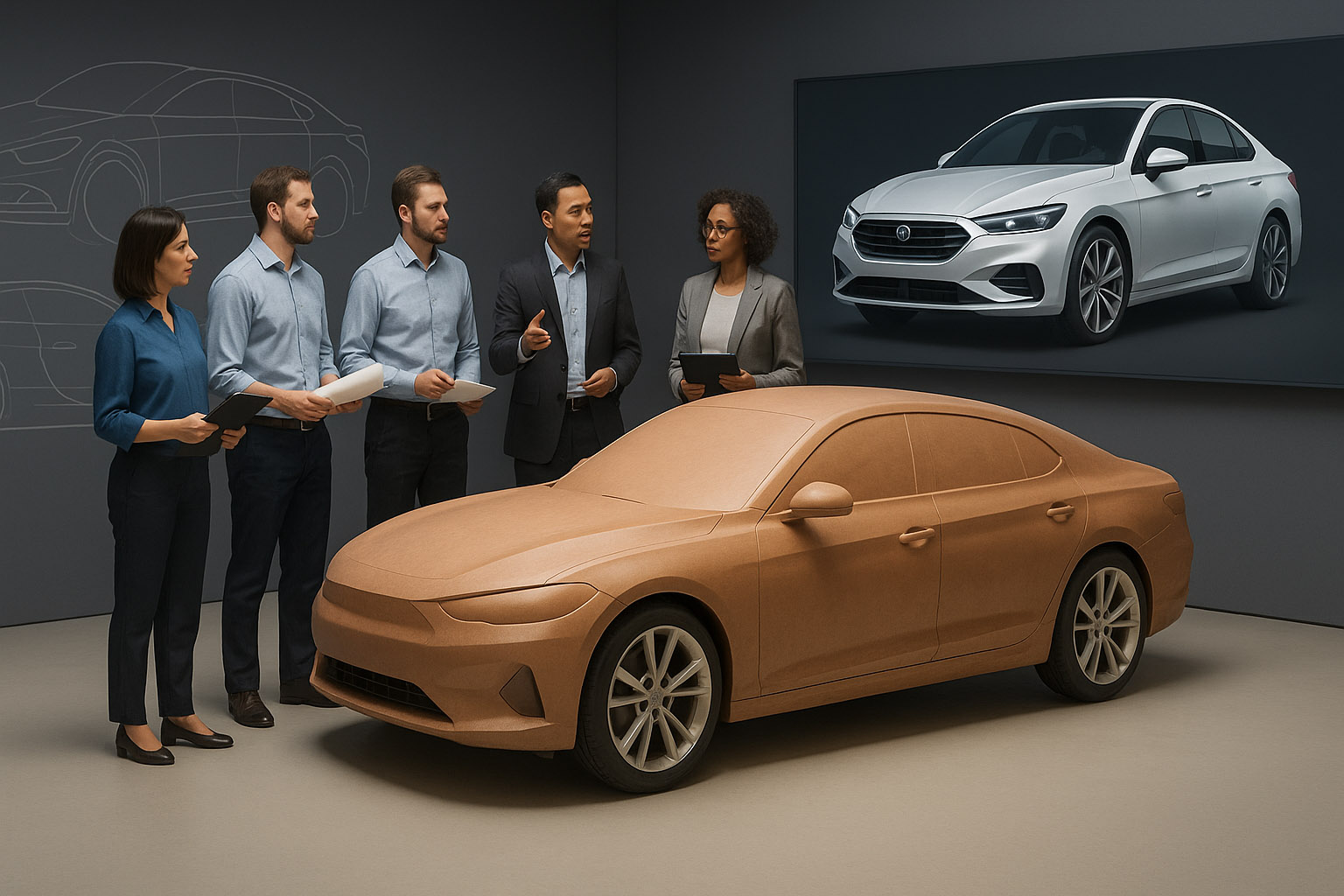
Car design remains a discipline where art, science, and technology collide — shaping the vehicles we’ll see on the road tomorrow. Looking ahead, the field is evolving rapidly with the integration of AI-assisted design, a growing emphasis on sustainability, and the rise of electric vehicles. These trends promise to redefine not only how cars look but also how they are conceived, engineered, and experienced by drivers worldwide.
News, insights, case studies, and more from the rausr team — straight to your inbox.
Send us your brief, your wildest idea, or just a hello. We’ll season it with curiosity and serve back something fresh, cooked with care.