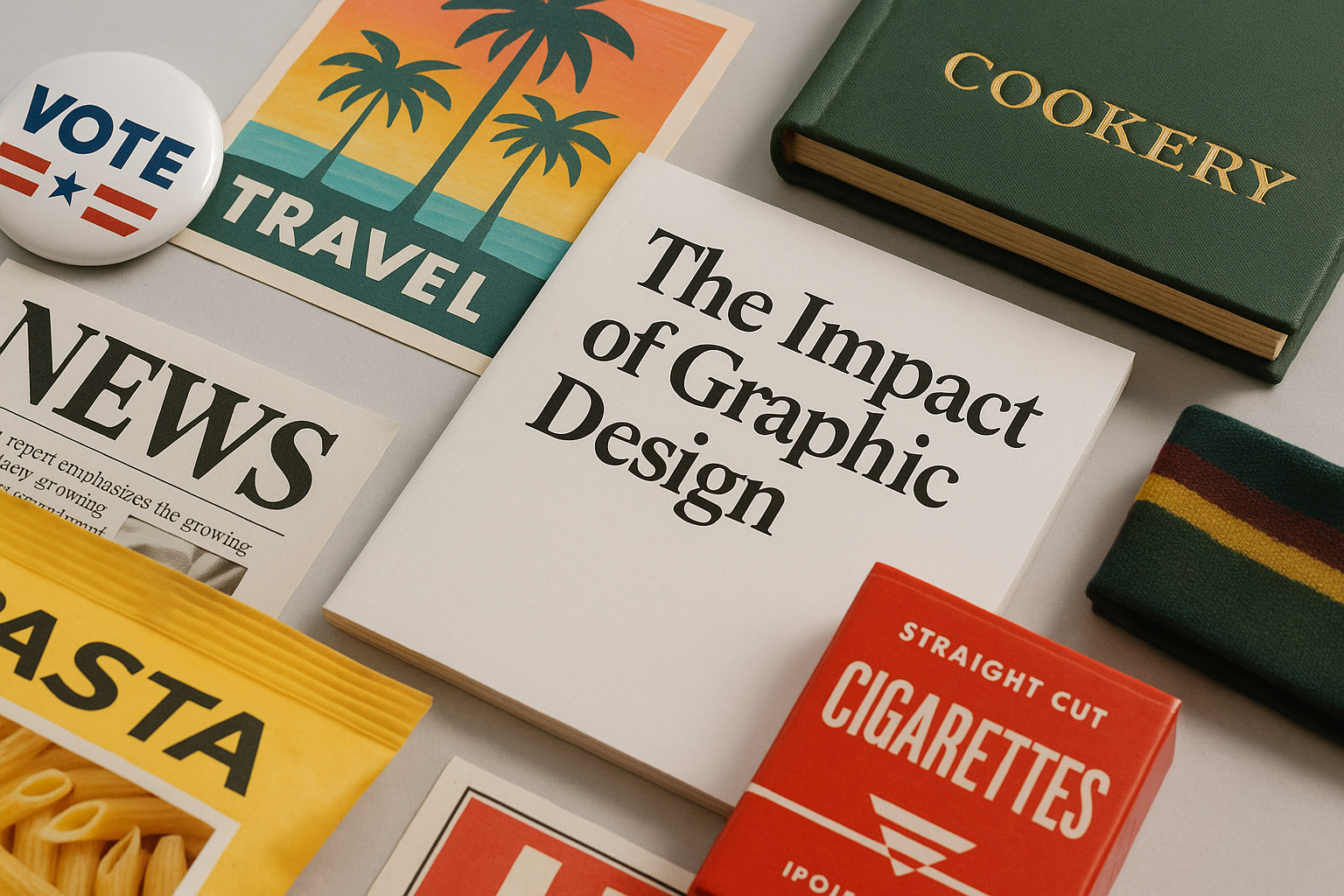
From Survival to Aesthetics: The Origins
Long before “graphic design” was a job title, it was a survival tool. Ancient cave paintings, hieroglyphs, and wayfinding symbols were visual communication systems — designed to inform, warn, and instruct. Design was communication. It still is.
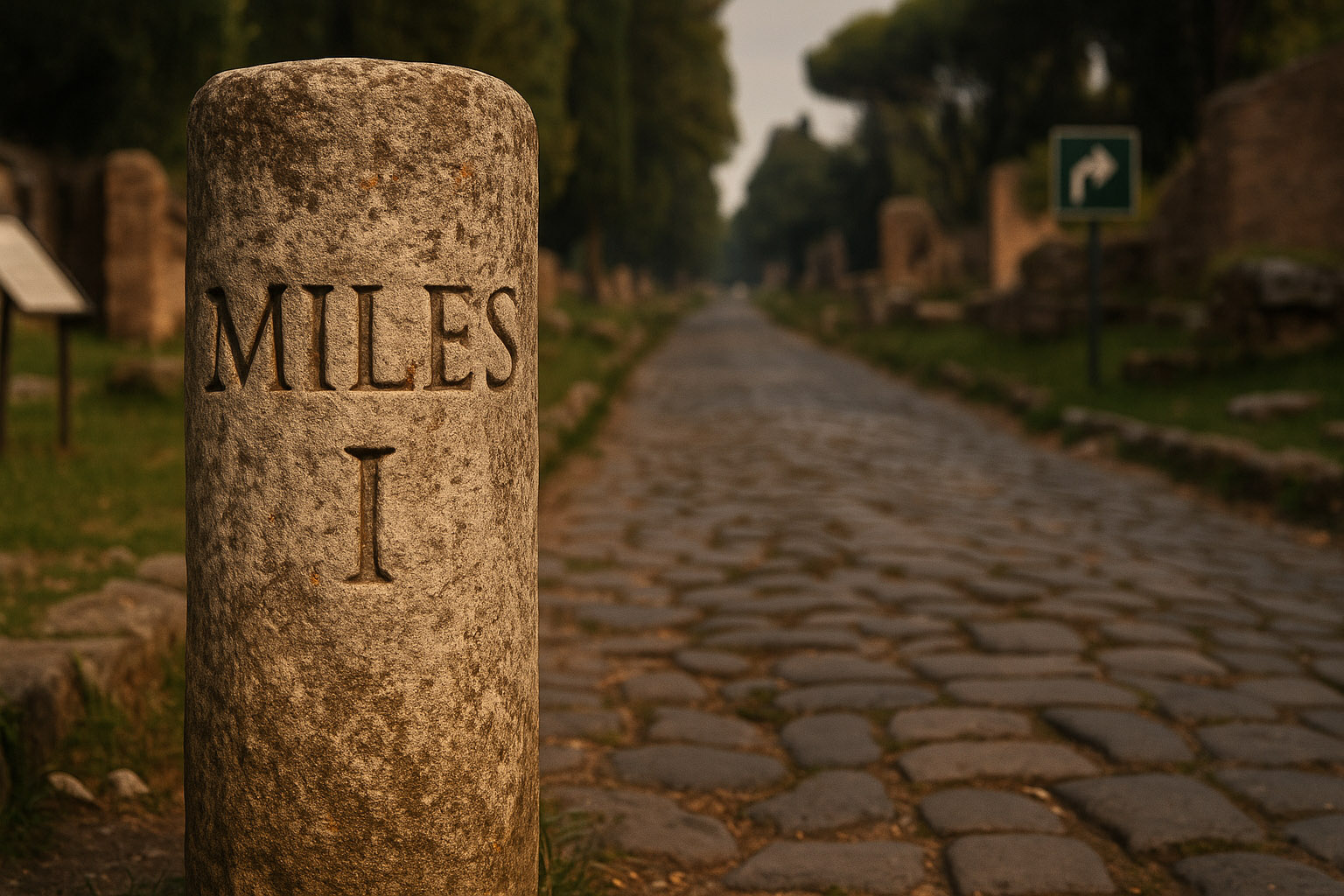
One of the earliest “design” systems? Roman milestones and engraved typography along roads, standardizing information across the empire.
🏛️ Cultural Identity Through Design
Graphic design isn’t just marketing — it’s cultural branding.
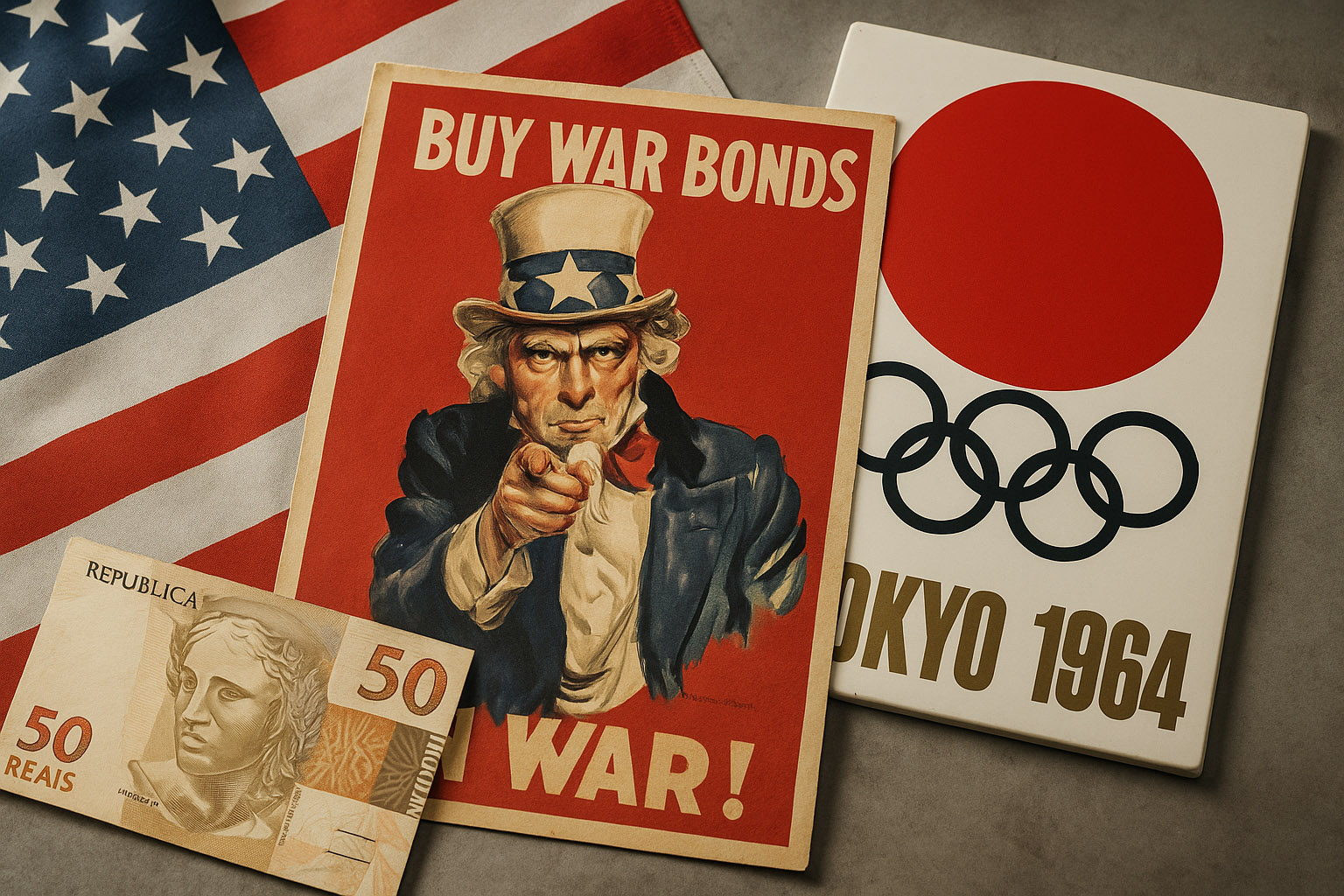
- National flags
- Propaganda posters
- Currency design
- Olympic logos
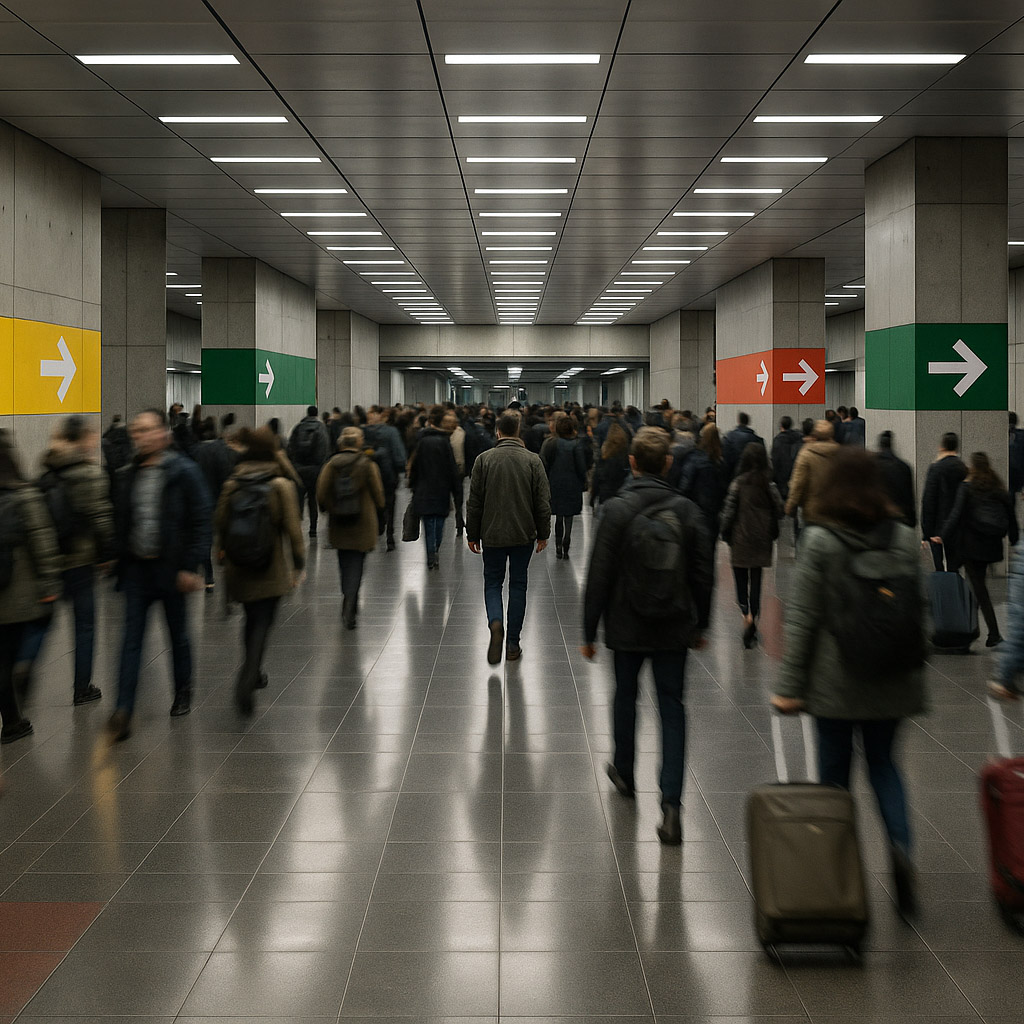
- Street signs
All carry the visual DNA of a culture or regime. During wartime, poster design shaped public morale. During revolutions, it visualized ideologies. Even today, the visual look of a protest sign can make a message go viral.
📺 The Modern Breakpoint: The 1950s–60s
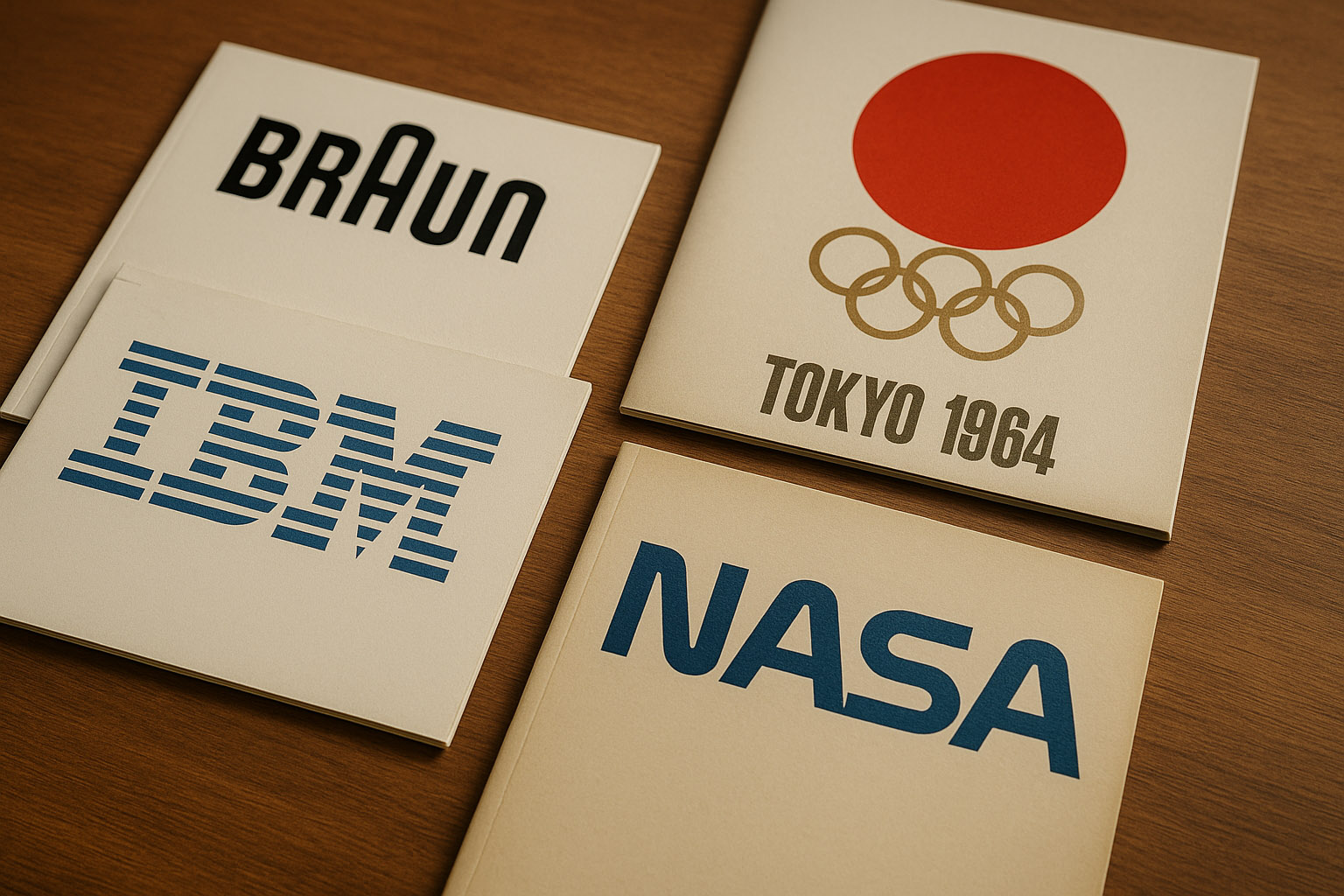
While Bauhaus laid the foundation in the early 20th century, the post-war boom supercharged graphic design’s role in society. Brands like IBM, Braun, and NASA embraced modernist design systems — structured grids, minimal icons, sans-serif typography — to communicate professionalism and progress.
This era marks the birth of corporate identity. It’s also when designers like Paul Rand, Massimo Vignelli, and Otl Aicher elevated design to a cultural force — not just decoration, but a language.
💼 Graphic Design Today: Everything Is Designed
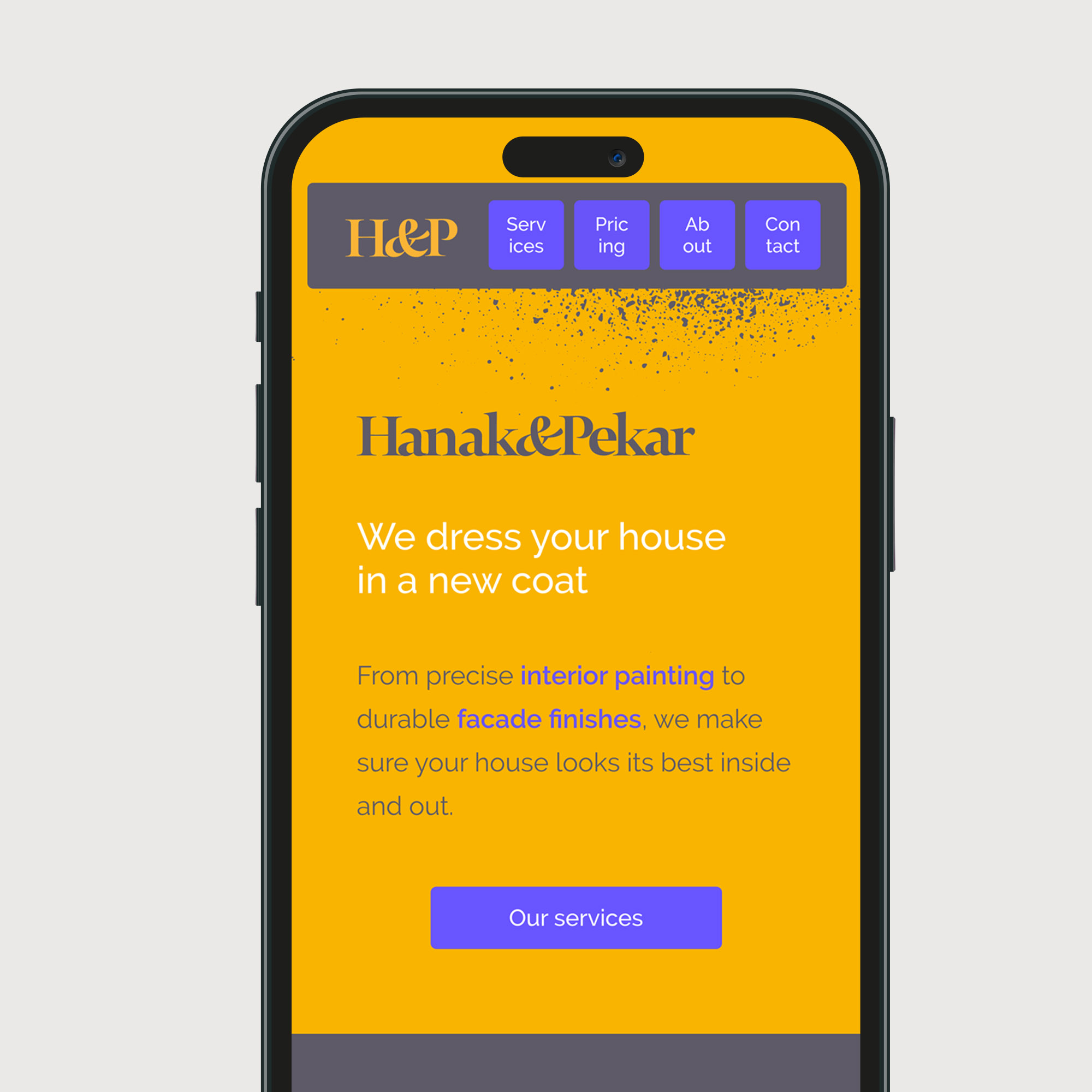
Open your phone. Every icon, button, menu, or micro-animation was made by a designer.
- Healthcare: Hospital signage can mean life or death.
- Education: Visuals help students of all ages understand and retain information.
- Politics: Ballot layouts, campaign logos, and political memes influence elections.
- Finance: Apps that feel “trustworthy” because of clean design and typography.
Even your calendar app’s color-coded system is graphic design doing cognitive labor for you.

Hidden Impacts (You Don’t See)
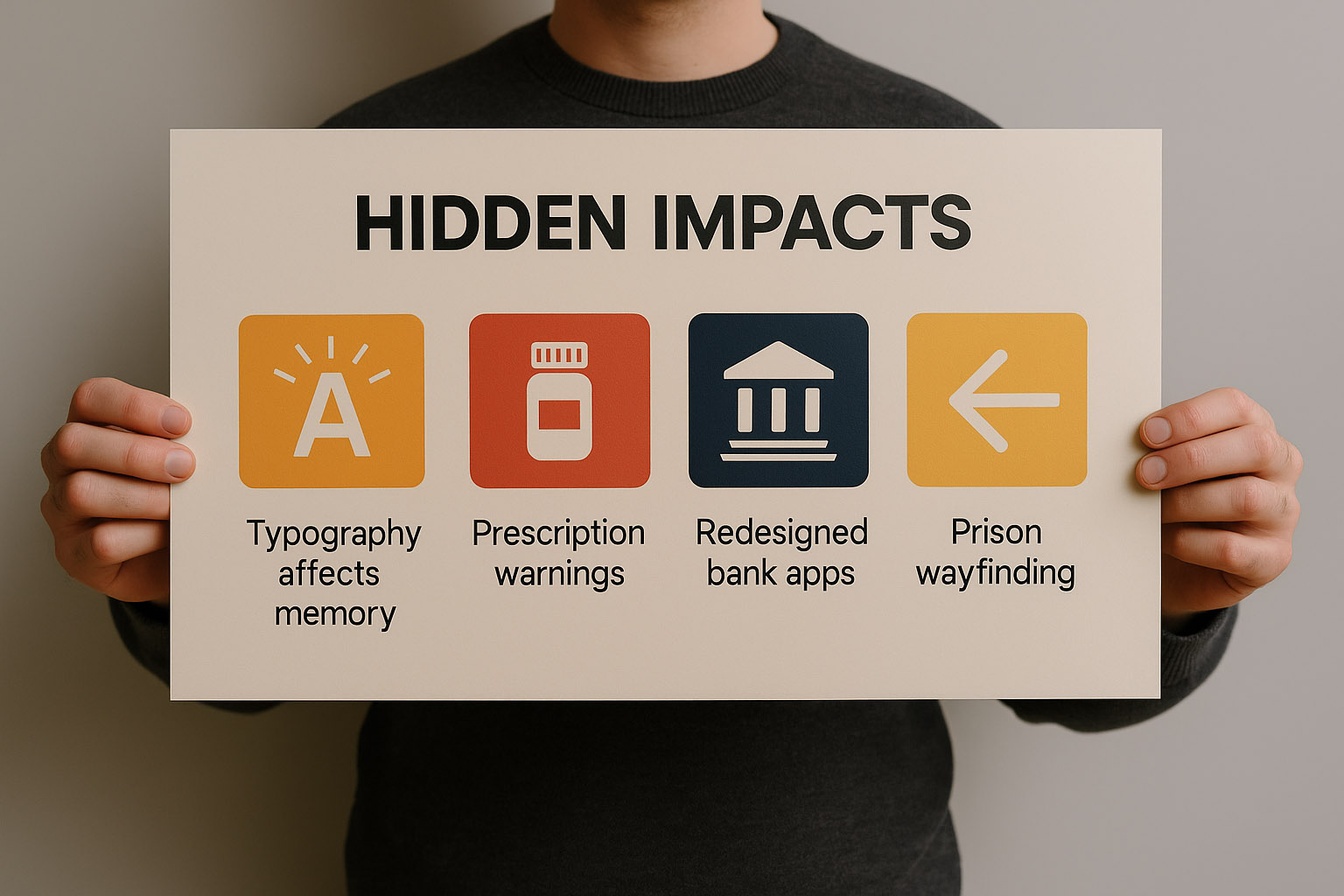
- Typography affects memory retention in study materials.
- Redesigning a prescription label can reduce medication errors by 30% (source: FDA pilot study, 2006).
- Bank interfaces redesigned for clarity have reduced user error by up to 50%.
- Even prison signage has been redesigned in some countries to reduce aggression and improve navigation.
Design and Human Behavior
Design isn’t neutral — it guides behavior.
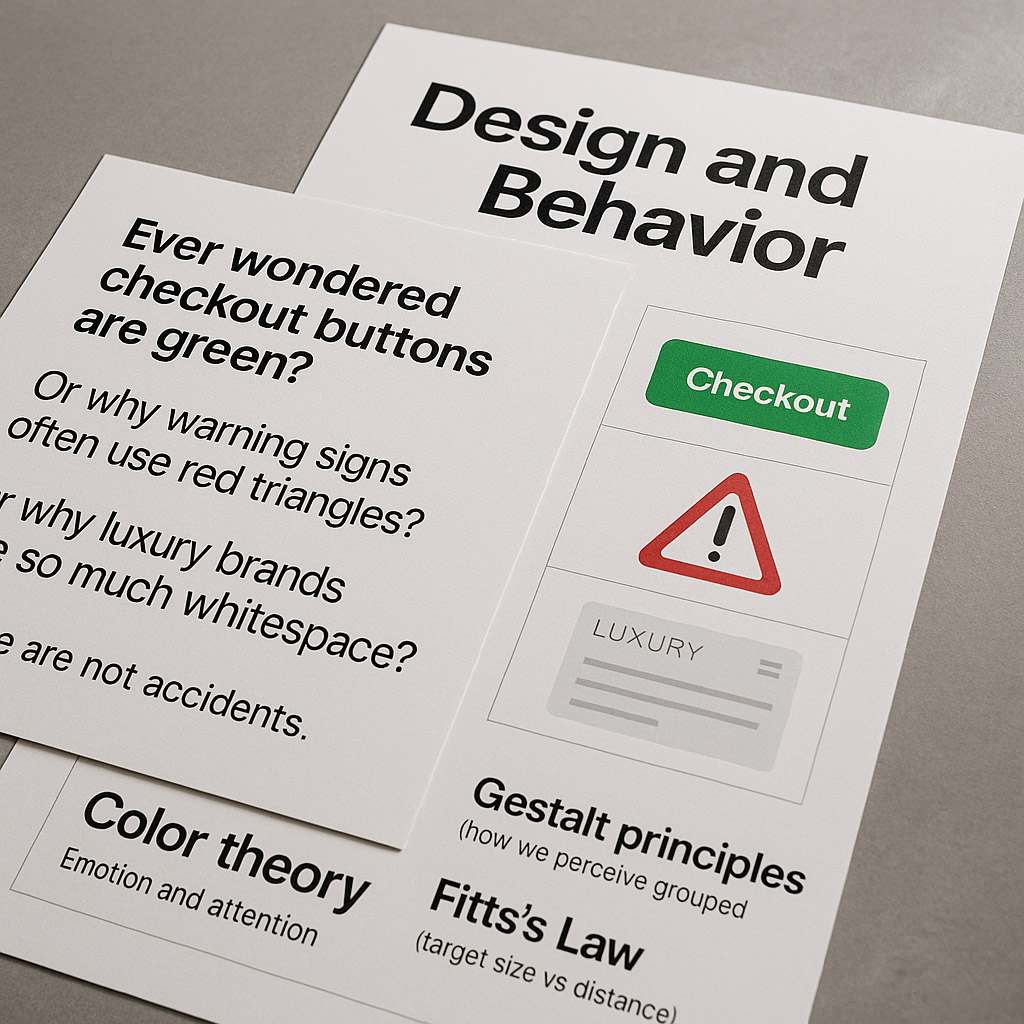
- Ever wondered why checkout buttons are green?
- Or why warning signs often use red triangles?
- Or why luxury brands use so much whitespace?
These are not accidents. Graphic design is built on behavioral psychology:
- Gestalt principles (how we perceive grouped objects)
- Color theory (emotion and attention)
- Fitts’s Law (target size vs distance)
Marketers use these tools to nudge behavior. Educators use them to foster learning. And scammers use them to trick — proof that design is a tool, not a value system.
Design in the Digital Age: Invisible Infrastructure
Design’s influence is now infrastructure-level.
Think:
- App onboarding flows
- Email notification hierarchies
- Smartwatch glanceability
- Responsive grid systems across devices
These systems affect how we work, sleep, shop, vote, and socialize. Often without realizing it.
Designers are the urban planners of digital space. And with AI-generated layouts and real-time A/B testing, we’re seeing machine-optimized design that shapes human interaction faster than ever.
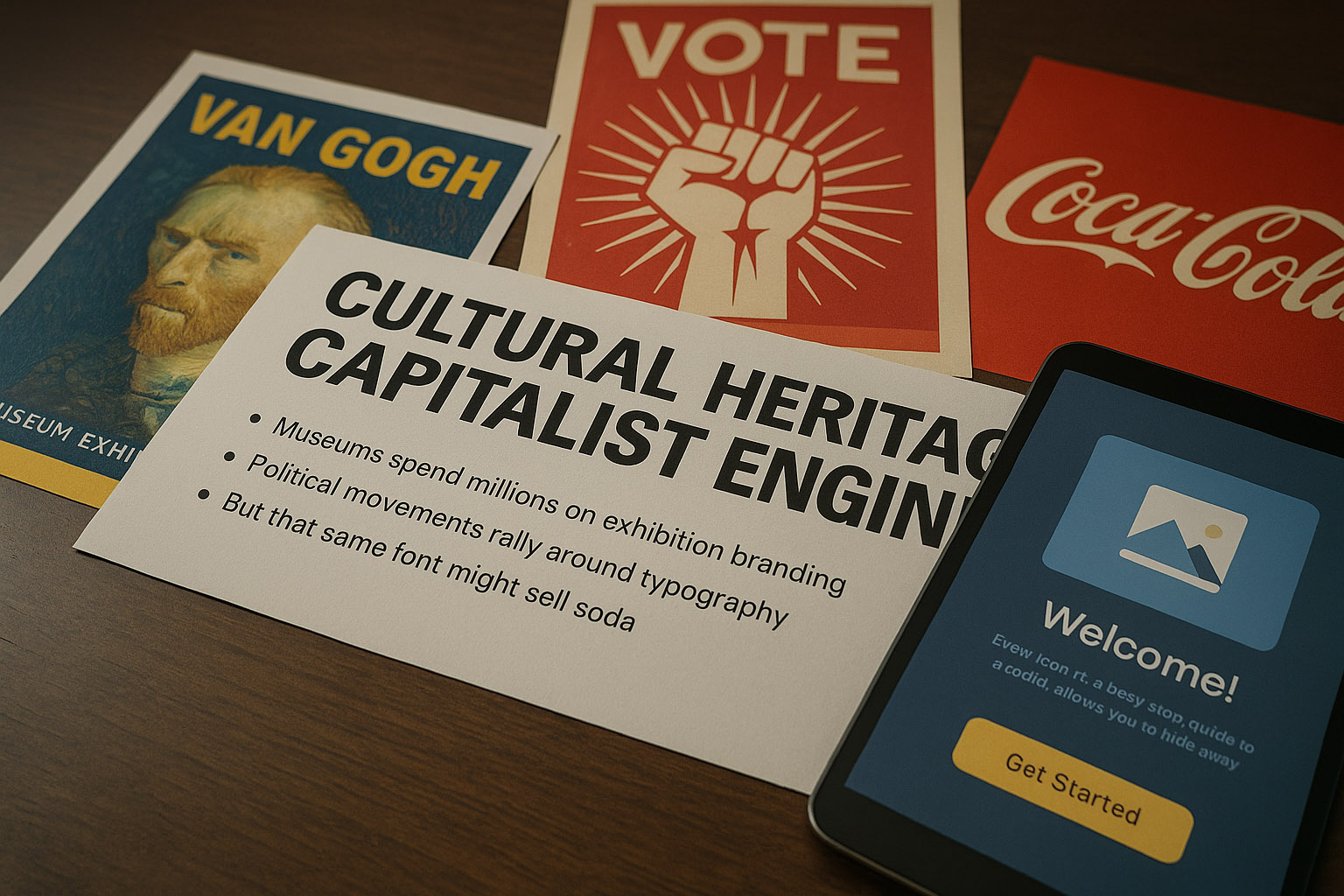
Cultural Heritage vs Capitalist Engine?
Graphic design carries a paradox: it preserves culture and sells it.
- Museums spend millions on exhibition branding that shapes historical narrative.
- Political movements rise around typography and posters.
- But that same font might sell soda the next day.
Design is the mirror and motor of society. It reflects where we are and accelerates where we’re going.
“That’s why it deserves critique, protection, and — yes — celebration.”
🤯 Unknown But True
- The 1972 Munich Olympics identity system by Otl Aicher became the basis for today’s universal signage — including many of the icons used in airports and public transit.
- The Helvetica font has been used by both American Apparel and U.S. government warnings — showing how context makes design speak differently.
- In the 1980s, the UK redesigned traffic signs under Margaret Calvert and Jock Kinneir — now considered one of the most effective information design projects in history.
So… Is It Cultural Treasure or Marketing Noise?
Here’s the truth: Graphic design is both art and utility.
- At its worst: empty branding, annoying banner ads, cheap tricks for clicks.
- At its best: social glue, accessibility bridge, memory anchor, visual poetry.
“Good design helps you live and think. Bad design gets in your way.
Great design? You barely notice it — but it moves you.”