How to Start With Exhibition Design: A Complete Guide
A practical guide to starting with exhibition design — tools, workflows, materials, budgets, processes, and insights.

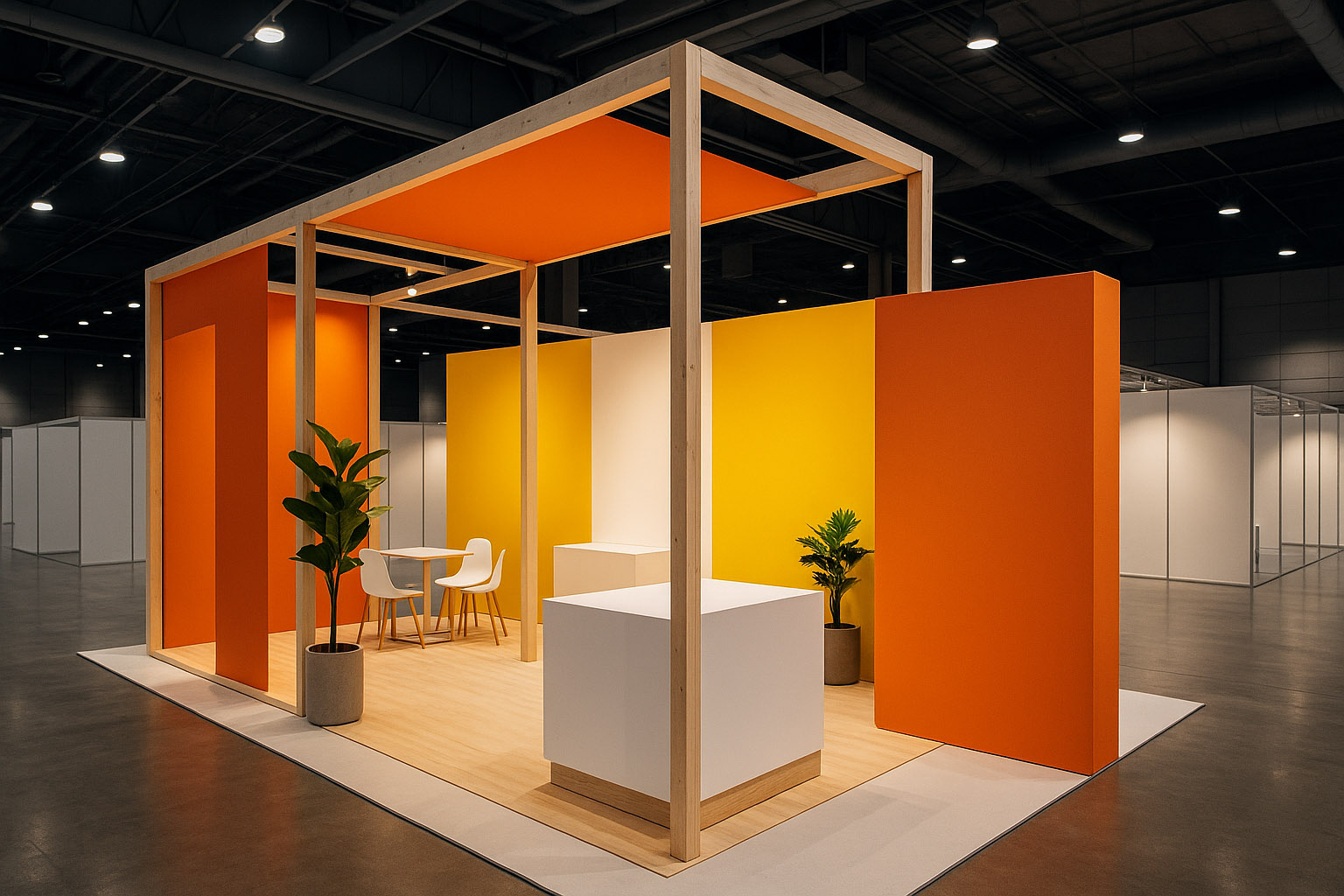
A practical guide to starting with exhibition design — tools, workflows, materials, budgets, processes, and insights.
Exhibition design is one of the most exciting, complex, and multidisciplinary areas of design. It blends architecture, graphic design, industrial design, marketing, psychology, and engineering — often inside strict budgets and tighter deadlines.
This guide walks you through exactly how to start, what tools to use, what to learn first, and what real-world processes and costs look like.
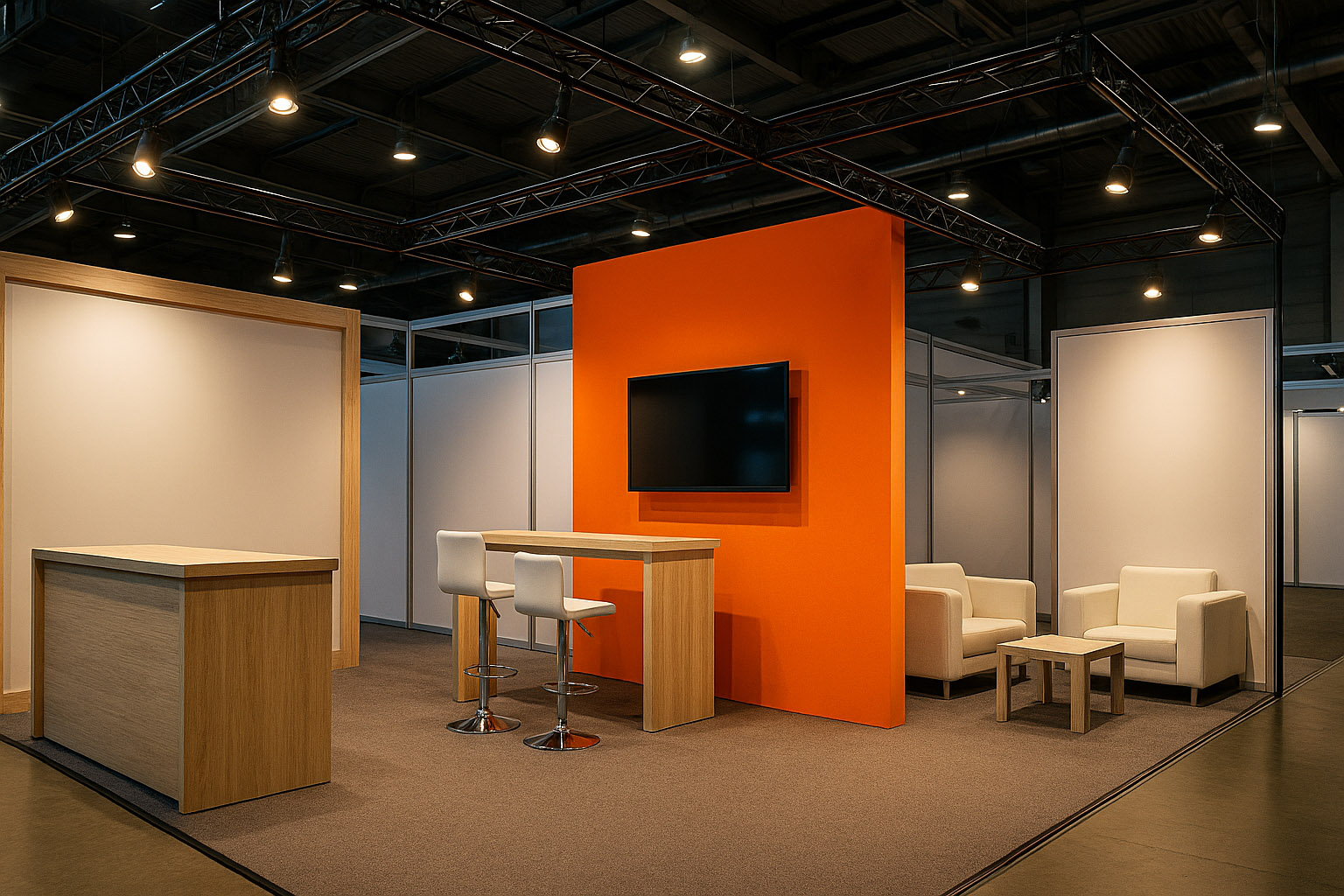
Many people think exhibition design means making a nice booth. In reality, an exhibition stand is:
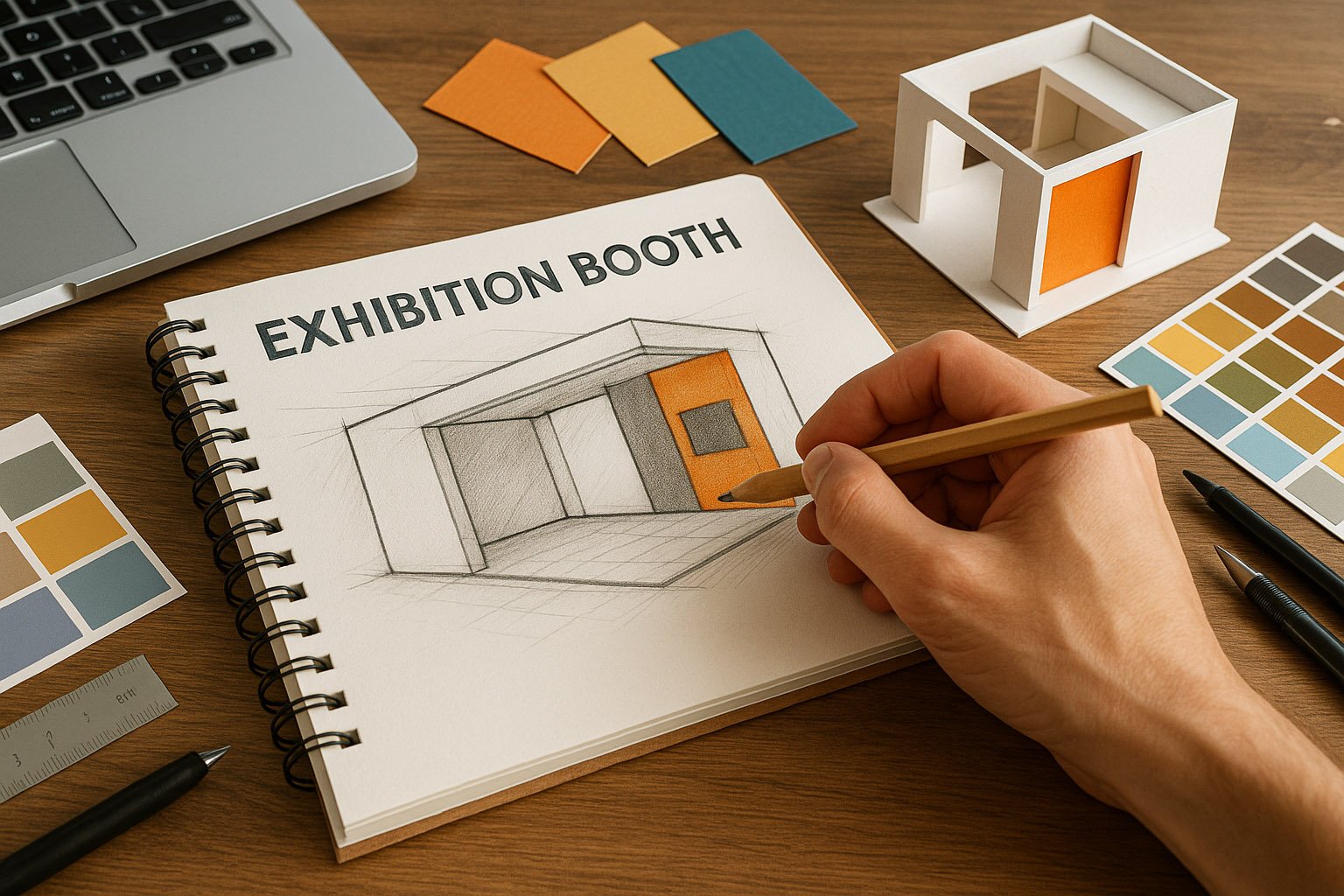
Understanding volumes, movement, and how people behave in space.
Every stand is a brand story physically expressed.
Basic skills in floor plans, elevations, and measurements are essential.
You don’t need to be a 3D master — just enough to model simple forms and visualize ideas.
Know the differences between modular systems, wood builds, hybrid frames, and lightweight tech.
Light can increase perceived value by 40–60%.
Understand load-bearing, joints, cable management, fire safety, and stability.
90% of beginners underestimate electrical planning — cables, power distribution, LED drivers, and safety clearances.
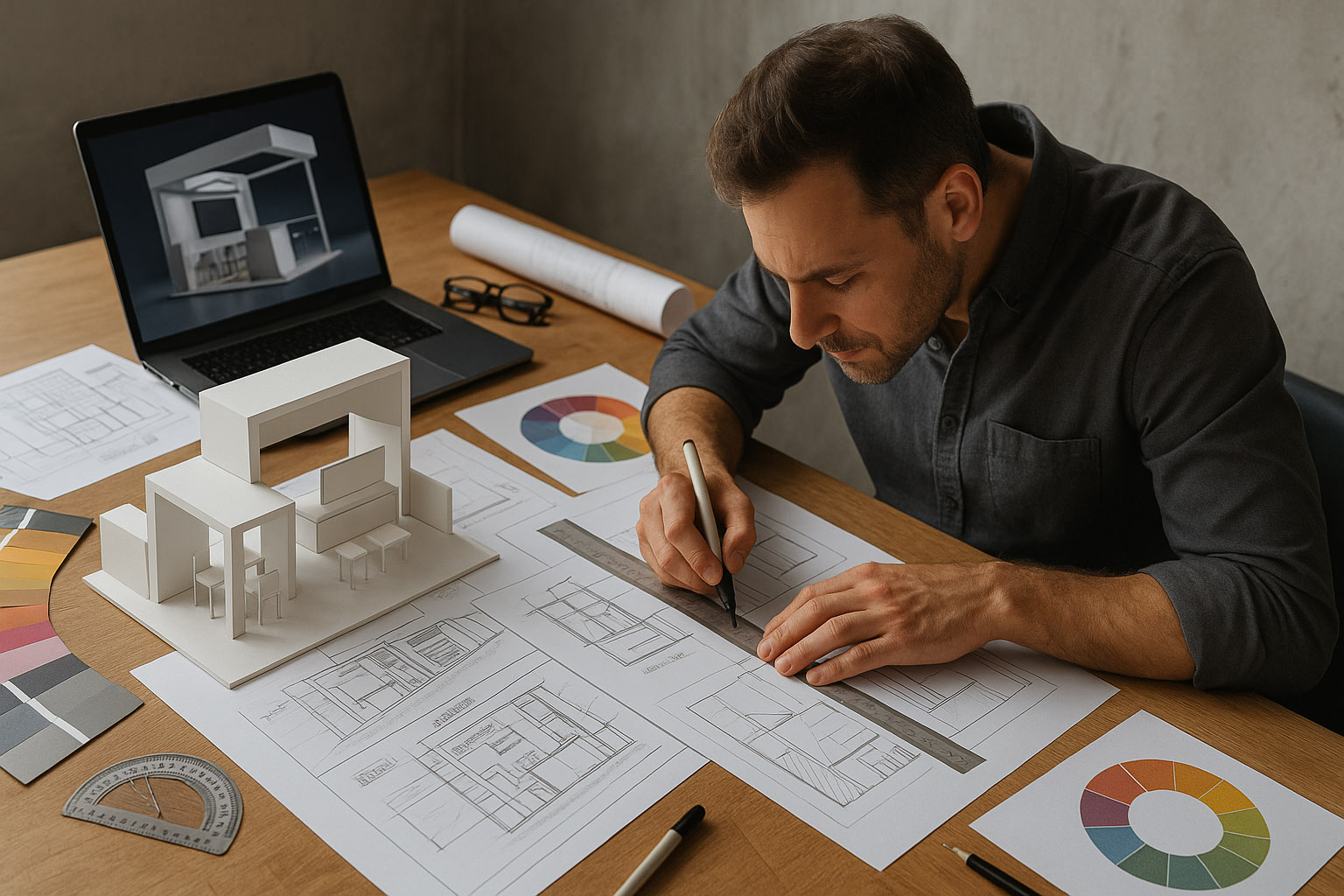
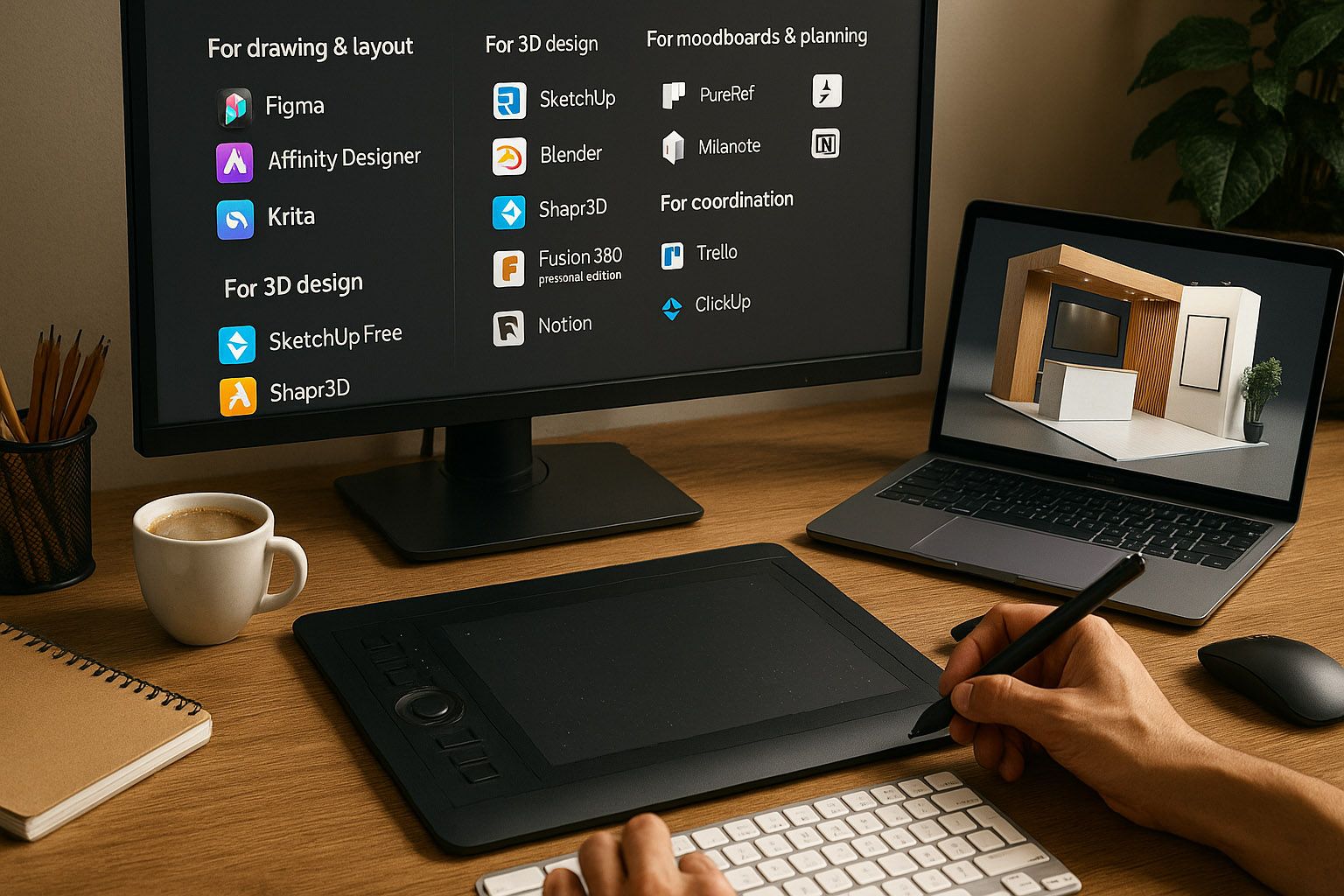
Many professionals quietly use HomeByMe or Roomle for insanely quick spatial mockups before switching to pro tools.
What should the stand communicate? What’s the emotional tone? What’s the business goal?
Think in zones:
For beginners, use modular systems:
These systems are reusable, predictable, and accepted worldwide.
Use:
Warm = friendly Cool = tech Spot = product focus Diffuse = soft environment
Even very simple modeling increases clarity.
Include construction, graphics, lighting, transport, storage, and labor.
Share accurate drawings, materials, electricity plans, and timelines.
Be on-site if possible — it makes the final quality much better.
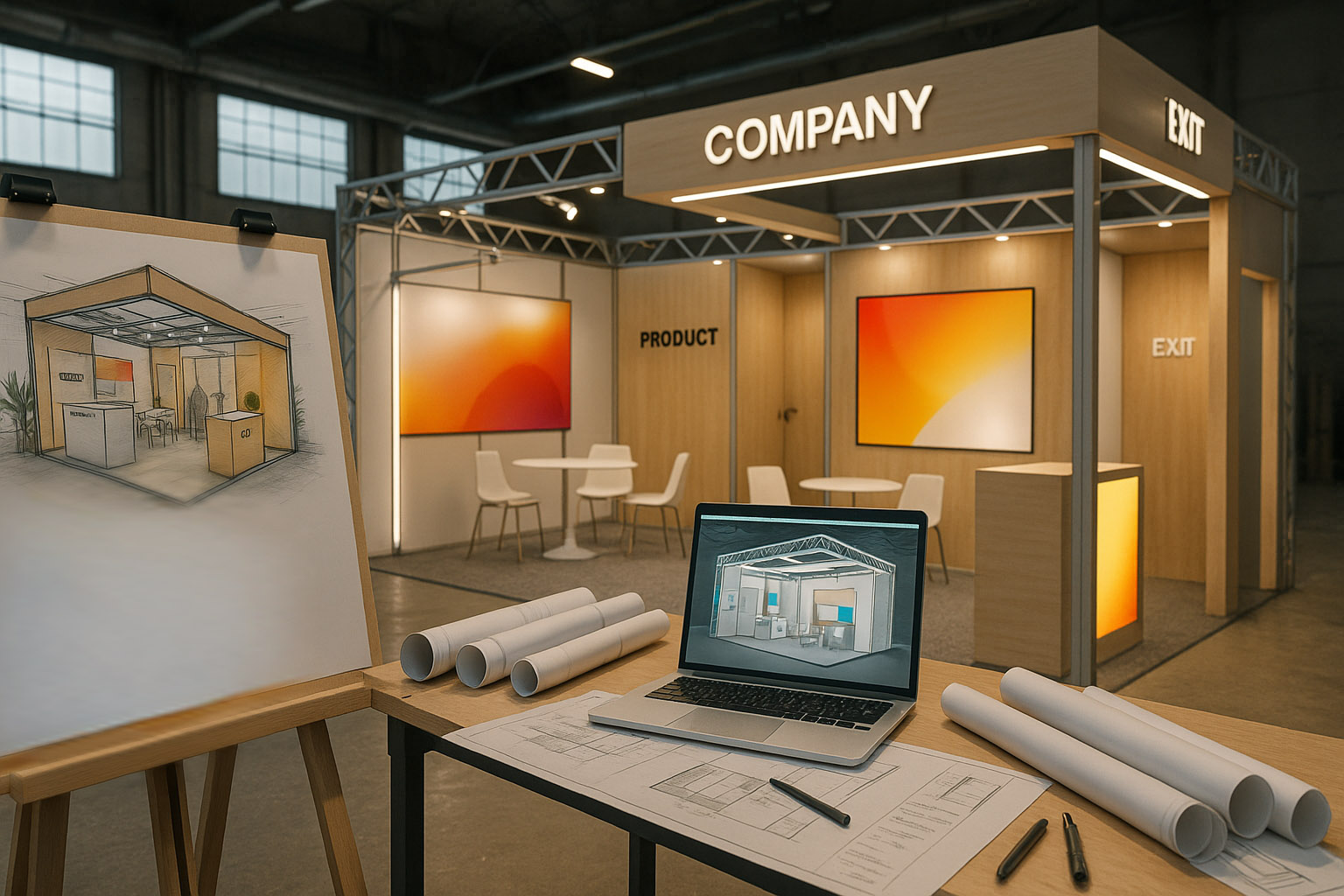
Best balance: metal frames + custom accents.
Many fairs have hidden limitations (floor load, wall height, overnight work rules) buried in technical PDFs that most beginners never read.
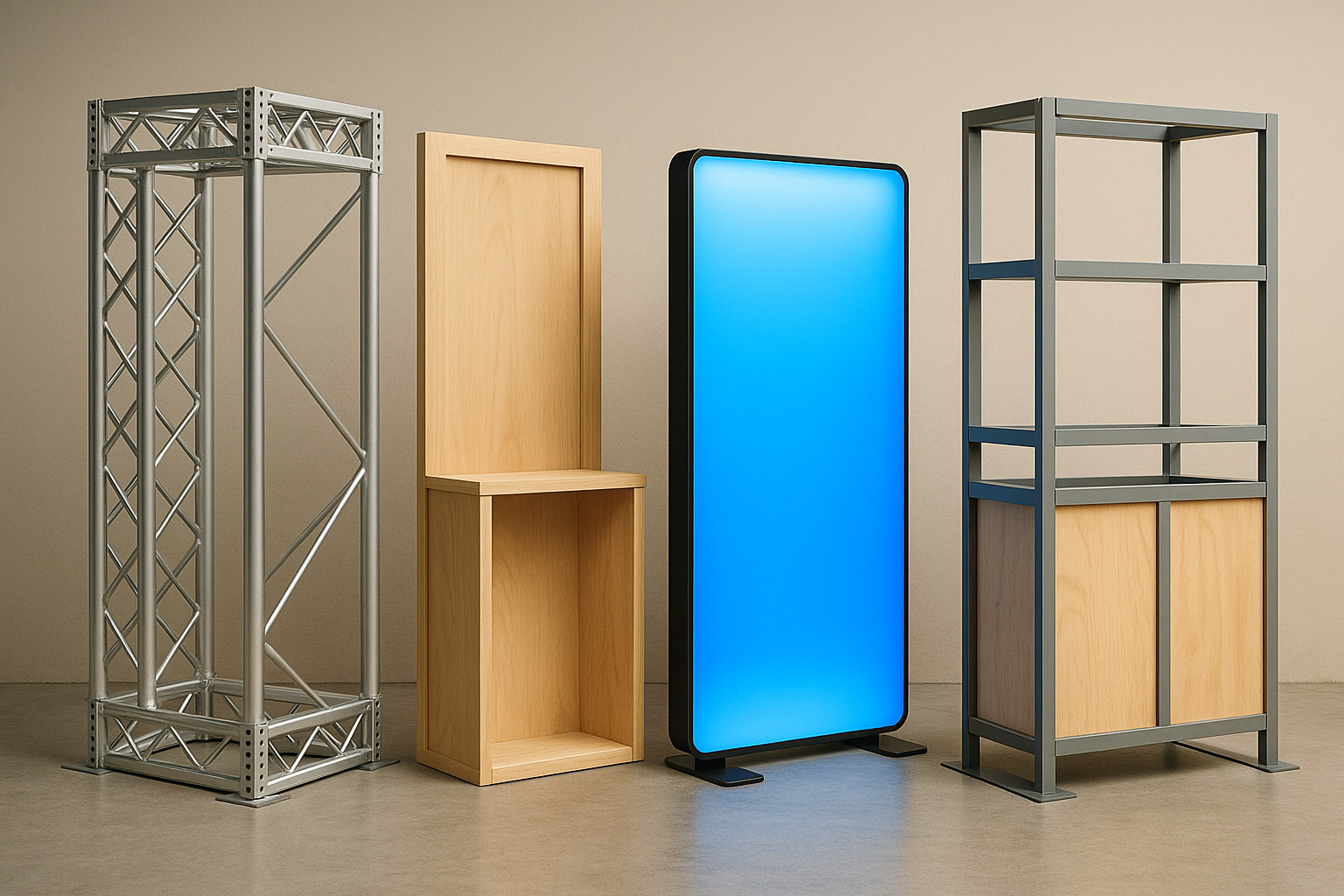
Approval time from clients is often longer than the entire design phase.
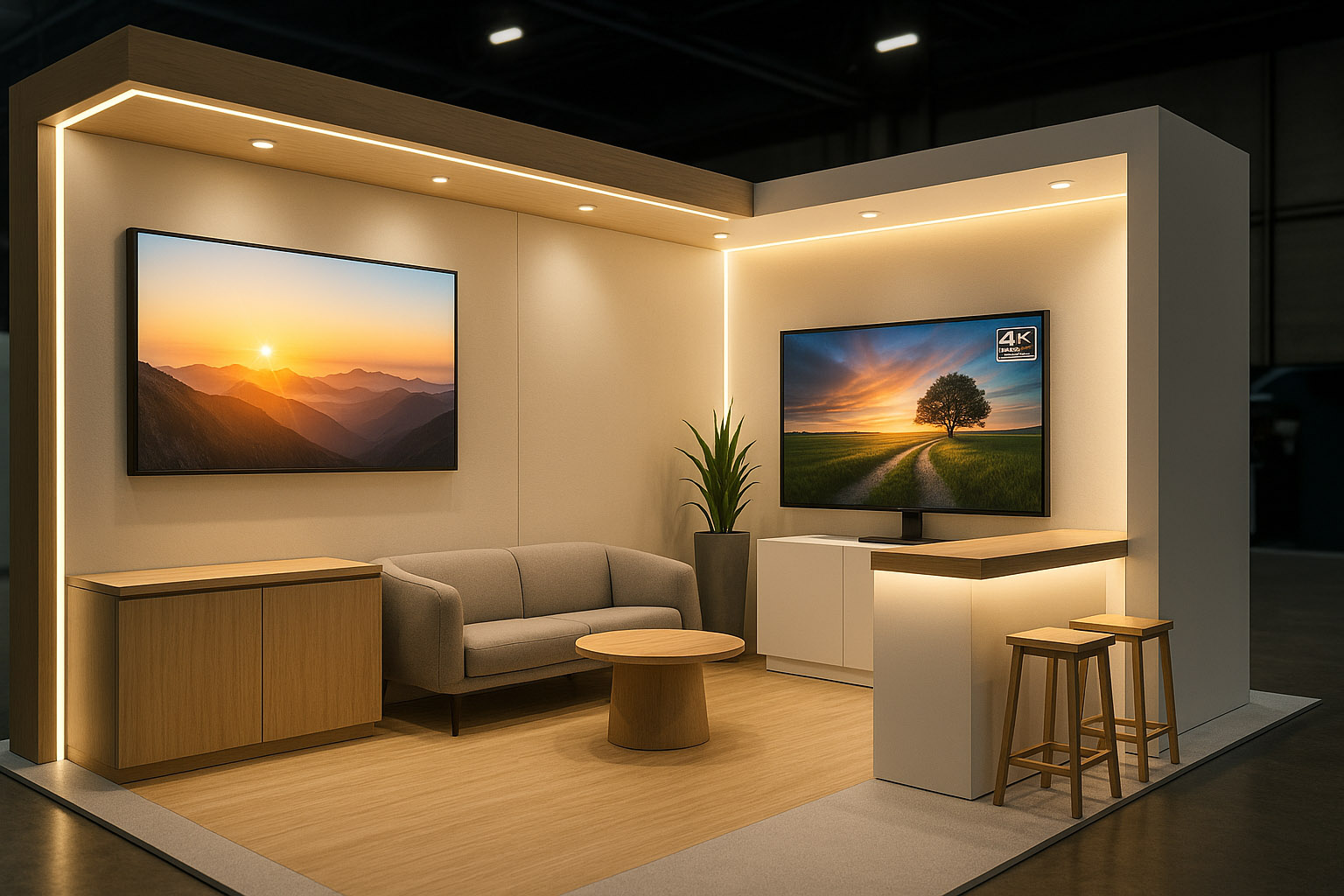
€2,000–€6,000
€12,000–€40,000
€40,000–€250,000+
For many stands, graphics cost more than the structure itself.
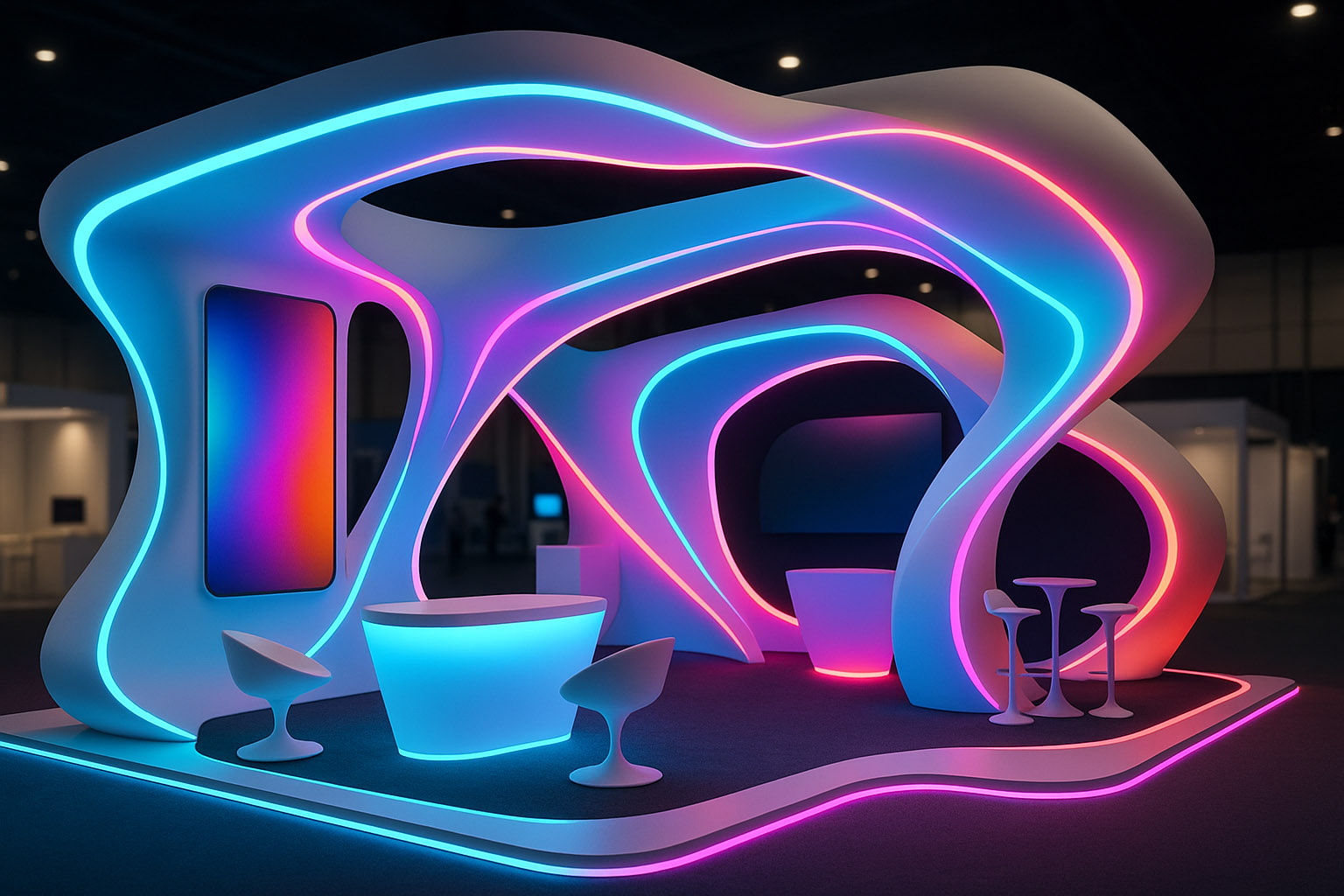
Exhibition design is a mix of creativity, engineering, logistics, psychology, and business. Start small, start modular, and focus on visitor flow and brand clarity.
“A great designer doesn’t just build a stand — they build an experience.”
News, insights, case studies, and more from the rausr team — straight to your inbox.
Send us your brief, your wildest idea, or just a hello. We’ll season it with curiosity and serve back something fresh, cooked with care.