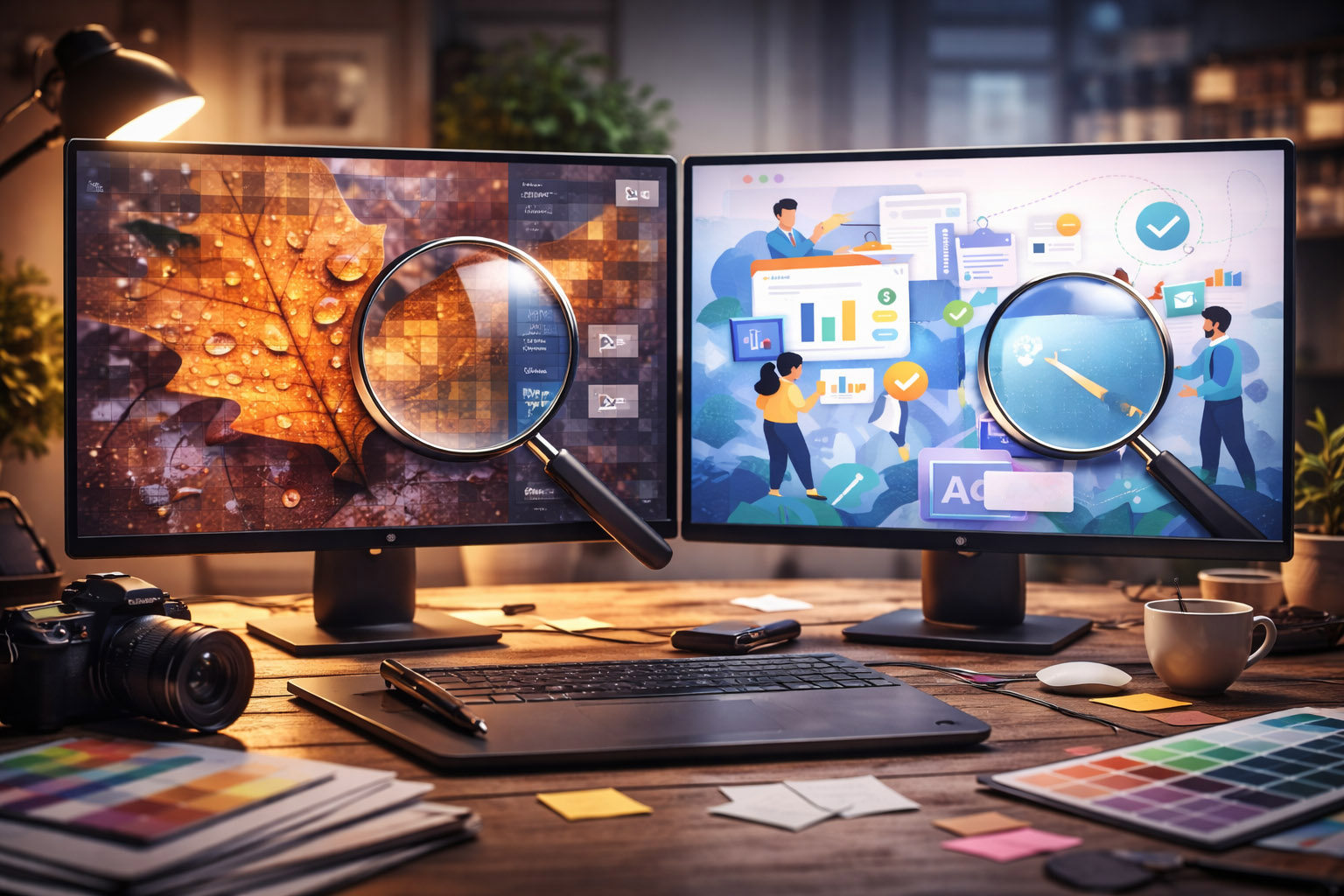
There was a time when bitmaps ruled everything.
If you wanted richness, realism, emotion, or detail, you reached for a photo, a texture, a gradient, a noisy overlay and you saved it as a JPEG or PNG because that’s what the ecosystem understood.
Then the industry pivoted.
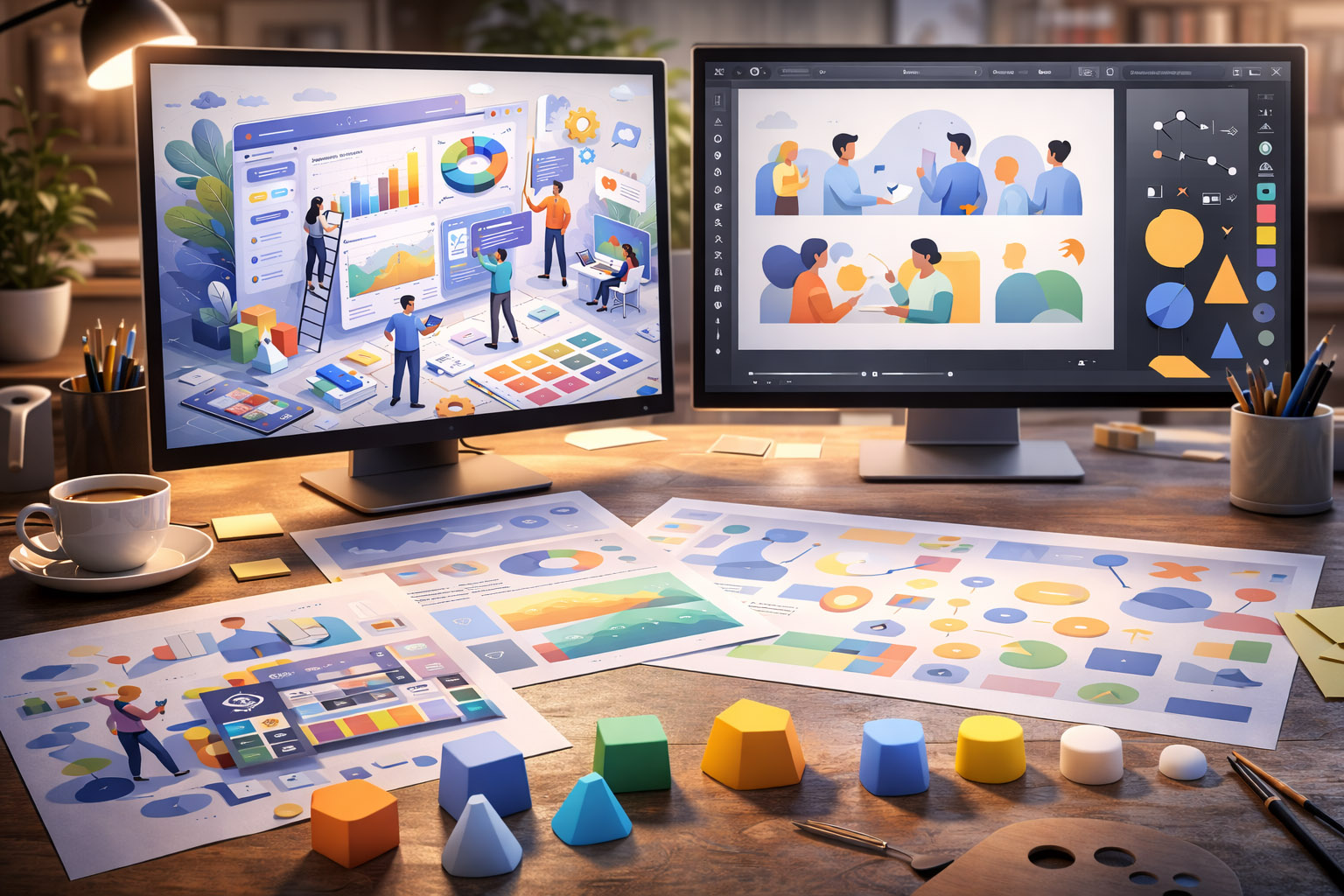
Not overnight, but in waves: iconography got sharper, interfaces got flatter, brands got more “illustrated”, and vector became the quiet backbone of modern UI and editorial graphics.
“Illustrations made design cleaner and faster. But they also made meaning easier to stylize and harder to read.”
Read about why we moved away from bitmap-heavy visuals, what we gained (SVG, scalability, animation, speed), what we lost (immediacy, realism, shared interpretation), and whether the current AI image wave is the next step or a detour back to bitmaps.
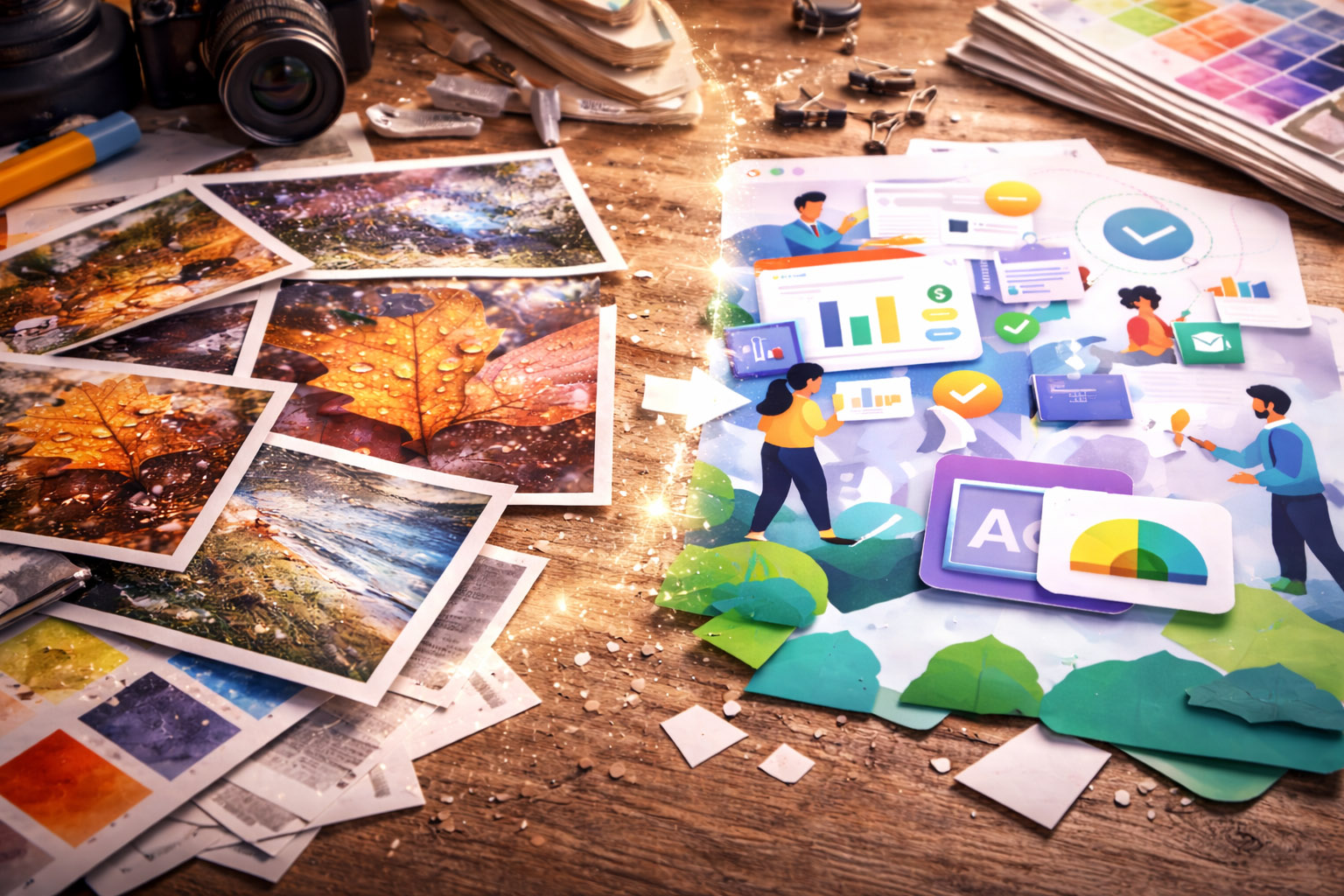
The Bitmap Era
When “Good” Meant Photoreal
Bitmaps were the default because they solved real problems:
- Hardware constraints: early screens weren’t friendly to fine vector detail anyway.
- Tool constraints: not every pipeline could render complex vectors reliably.
- Taste constraints: skeuomorphism and “real materials” were signals of quality.
If you wanted a dashboard to feel trustworthy, you often added realism: shadows, reflections, texture, high-frequency detail. Bitmaps delivered that quickly.
But bitmap-first design has recurring costs:
- Scaling pain: every new viewport means new exports or compromises.
- Retina pain: you ship bigger images just to look crisp.
- Consistency pain: “one more photo” becomes “one more style”.
And there’s a subtle one:
Bitmaps are great at capturing reality — but reality is messy. The more photographic a system becomes, the harder it is to keep it feeling like one product.
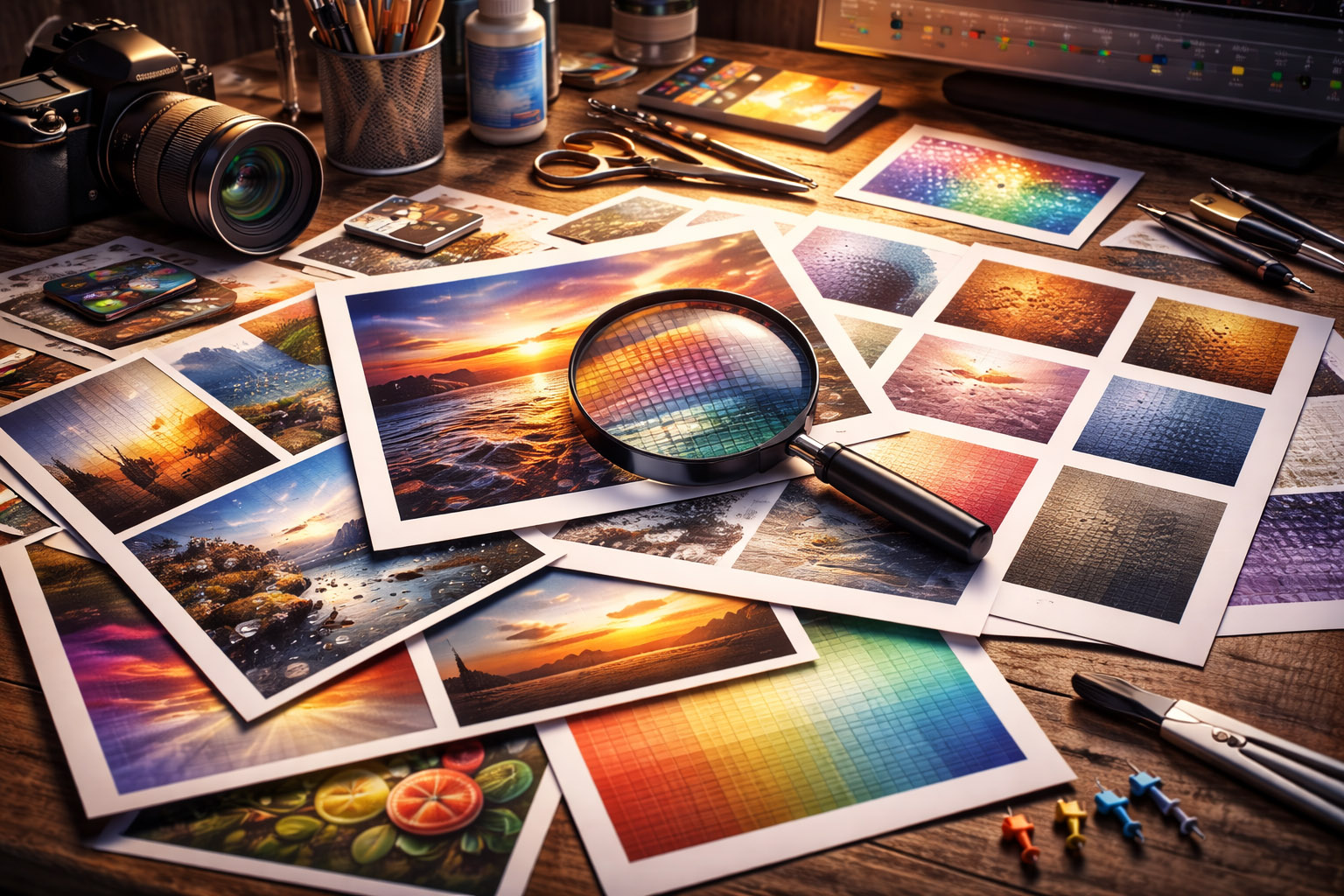
The Illustration Wave
Isometric, Abstract, and Characters Everywhere
The rise of illustration wasn’t only an aesthetic trend — it was a systems trend.
Once interfaces started prioritizing:
- responsiveness
- component reuse
- speed
- cross-platform consistency
…illustration became the visual equivalent of a design system.
Phase 1: “Isometric Everything”
Isometric scenes were perfect for product marketing:
- they looked technical but friendly
- they avoided hard realism
- they could be customized endlessly
A less-obvious downside: isometric illustration often shrinks into noise. When you scale it down, the scene becomes “shapes” and loses the story.
Phase 2: The Character Boom
Abstract characters became a universal language:
- friendly people without real-world specifics
- safer brand tone (less risk than real photography)
- easy to “cast” into any scenario
This is one of those behind-the-scenes drivers teams don’t always say out loud: illustration can be a brand-safety and logistics shortcut. No model releases, fewer “is this photo culturally loaded?”, fewer reshoots, fewer licensing surprises.
Phase 3: The Simplification Spiral
Over time, illustration styles got simpler:
- fewer details
- flatter colors
- fewer textures
- more symbolic shapes
The result: visuals got cleaner — but also more abstract.
Why Vectors Won
(Even When They Don’t Look “Better”)
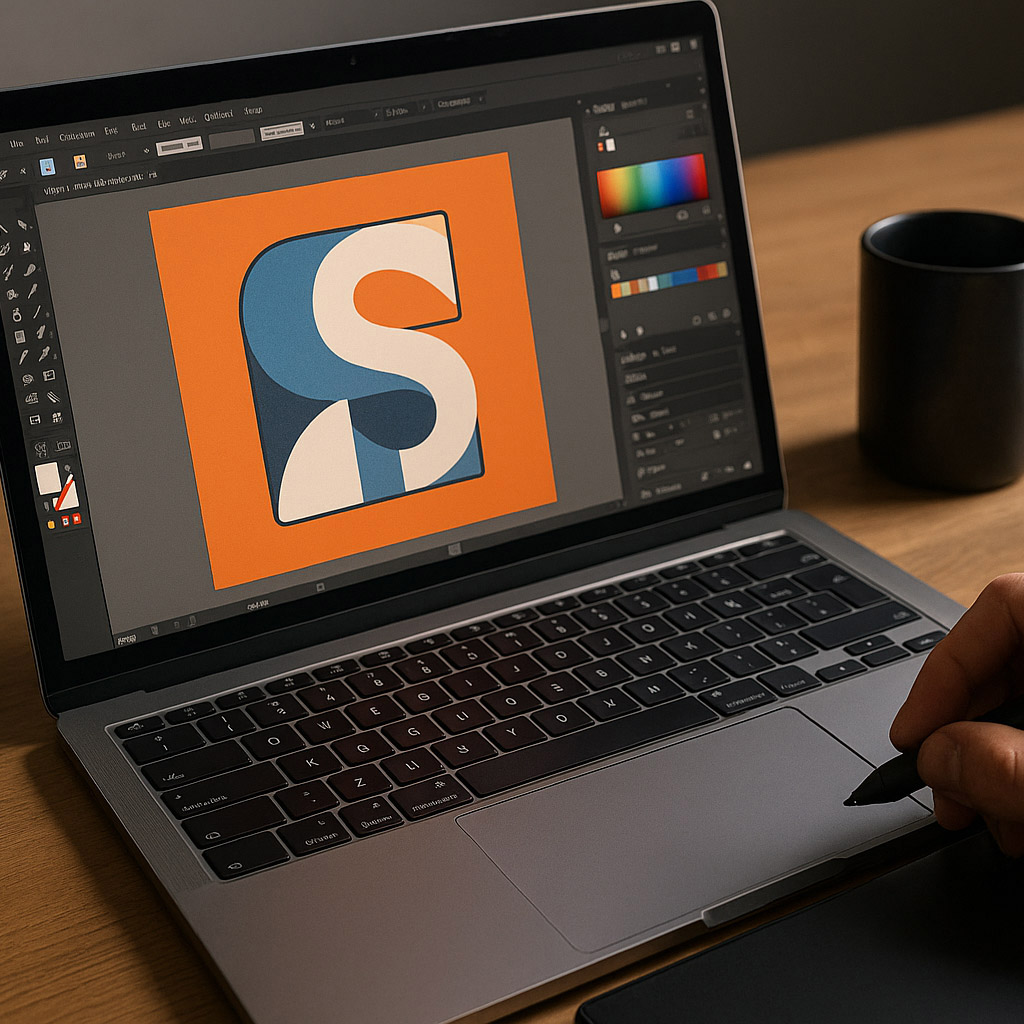
Vectors didn’t win because they’re prettier. They won because they’re operationally superior in modern products.
SVG: The Quiet Superpower
SVG changed the economics of UI visuals:
- Scales perfectly: one asset for many viewports.
- Often lighter: especially for simple shapes and icons.
- Styleable: you can theme colors via CSS (or tokens).
- Interactive: hover states, transitions, morphing, masking.
- Animatable: from pure CSS to Lottie-style pipelines.
Animation Becomes Normal
Once teams started shipping motion as part of brand identity, vector became even more attractive:
- micro-interactions on buttons and icons
- loading states
- section dividers
- lightweight “storytelling” loops
Vector-based motion (including Lottie JSON) is also easier to integrate into component libraries: you can treat it like a reusable UI part rather than a one-off video export.
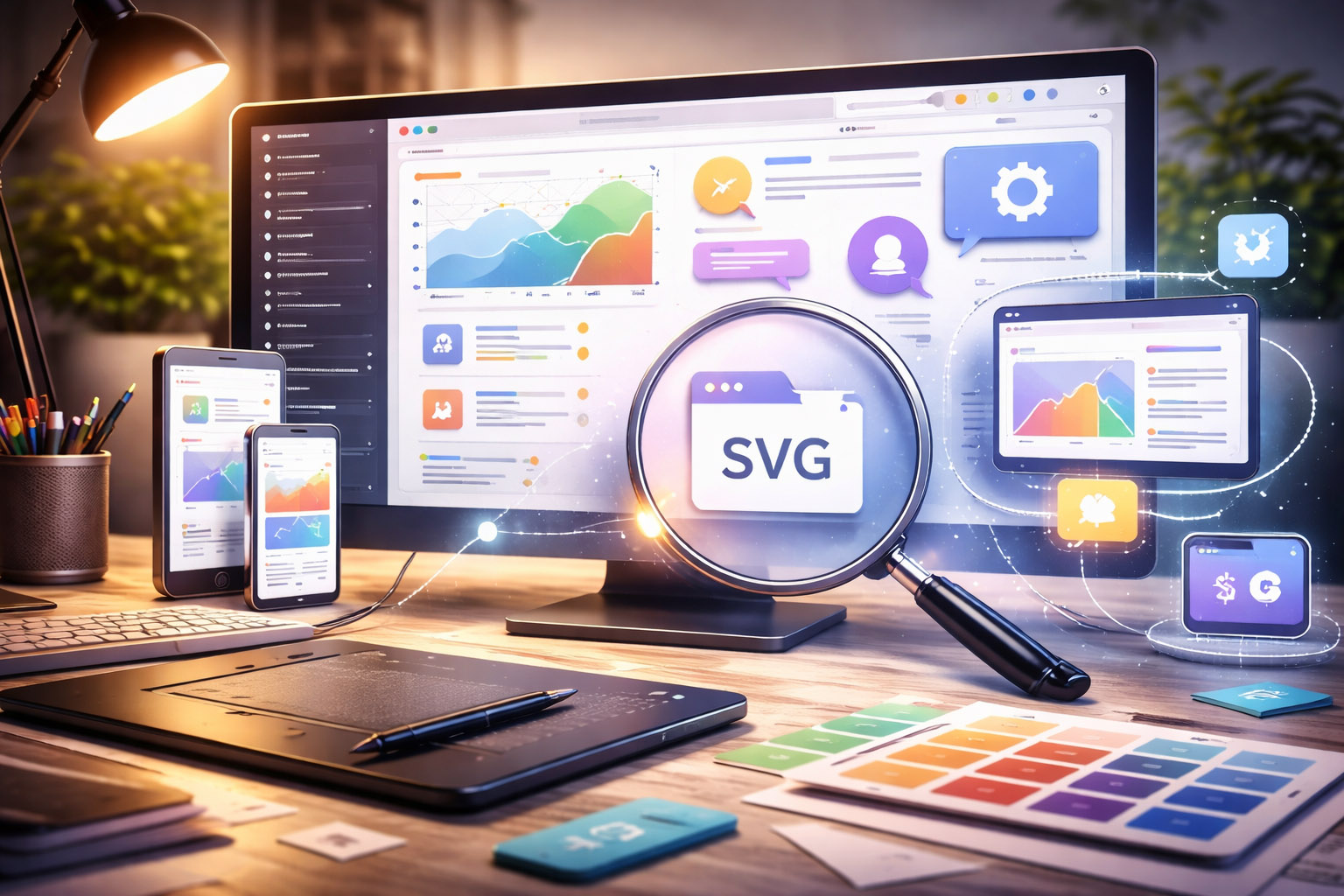
The Hidden Tradeoff
Clarity vs. Cleanliness
Illustrations can slow understanding when they’re doing the job photos used to do.
Here’s the design tension:
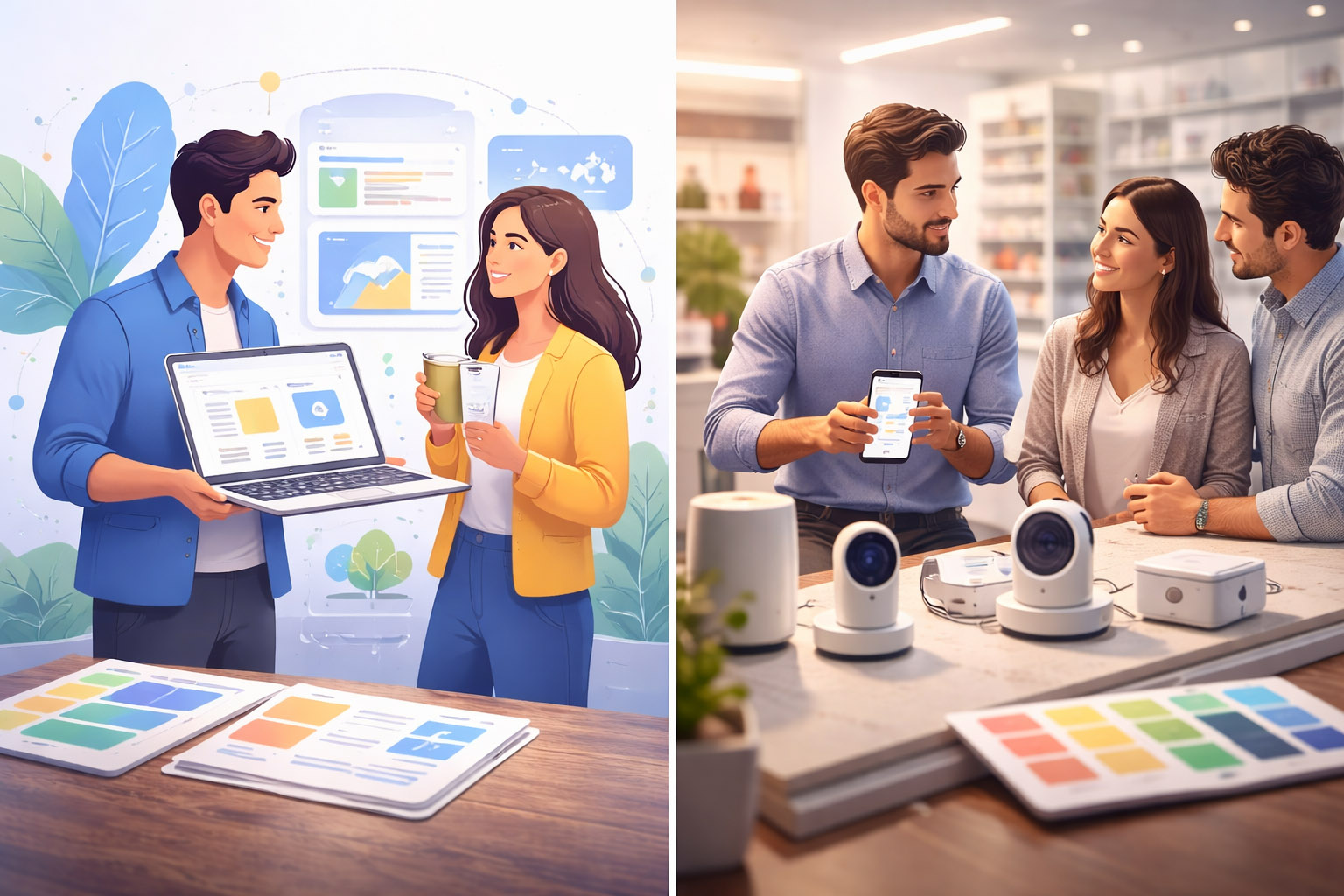
- Photos are dense with meaning (fast recognition, real context).
- Illustrations are controlled meaning (consistent style, less noise).
When the message is simple — “friendly”, “modern”, “creative” — illustration is perfect.
When the message is specific — “this exact product”, “this real place”, “this human moment” — illustration can become vague.
“The cleaner the picture, the more work the viewer does to interpret it.”
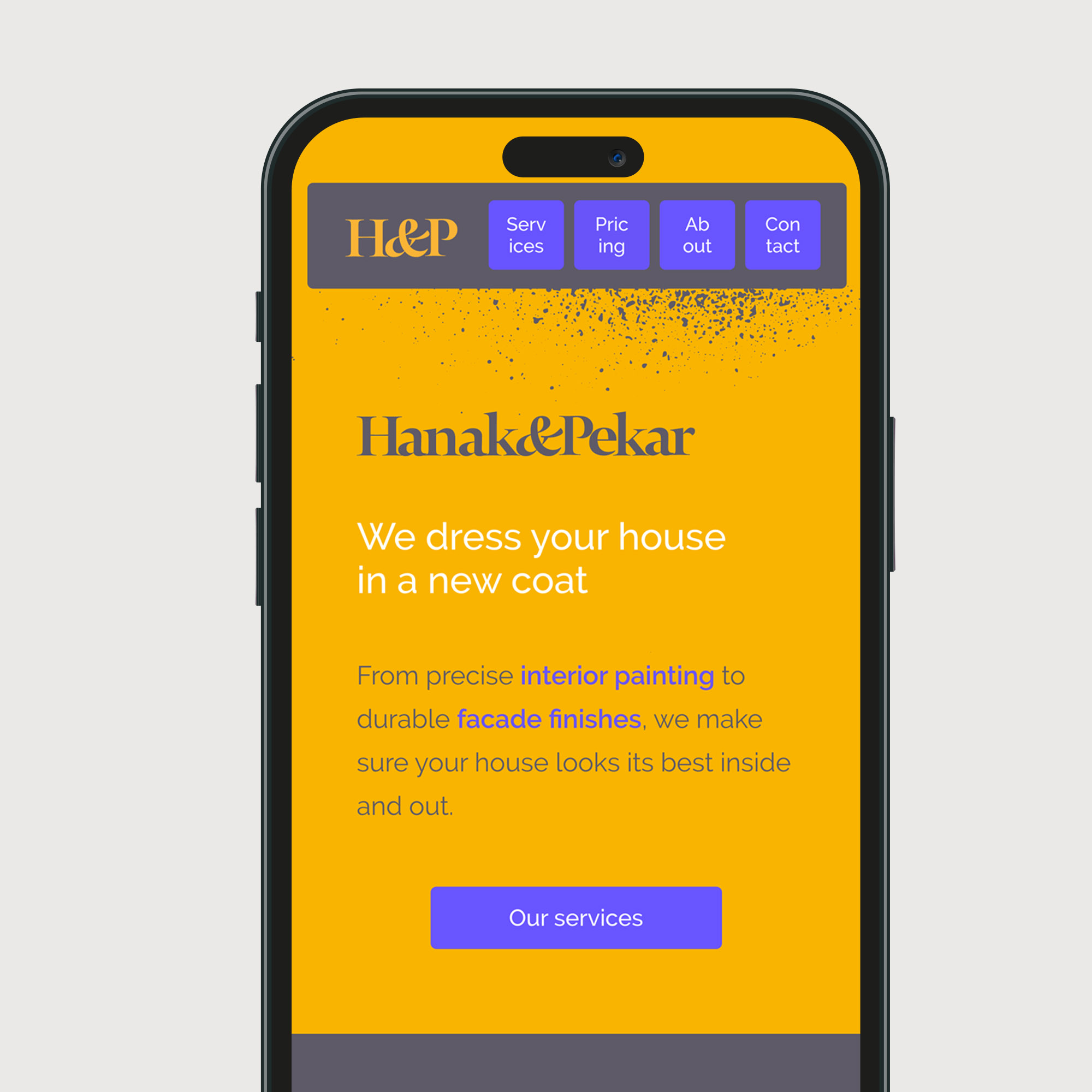
This shows up a lot in “generic character” marketing: it’s pleasant, but the user sometimes has to read the headline twice to understand what the company actually does.
When Bitmaps/Photos Still Win
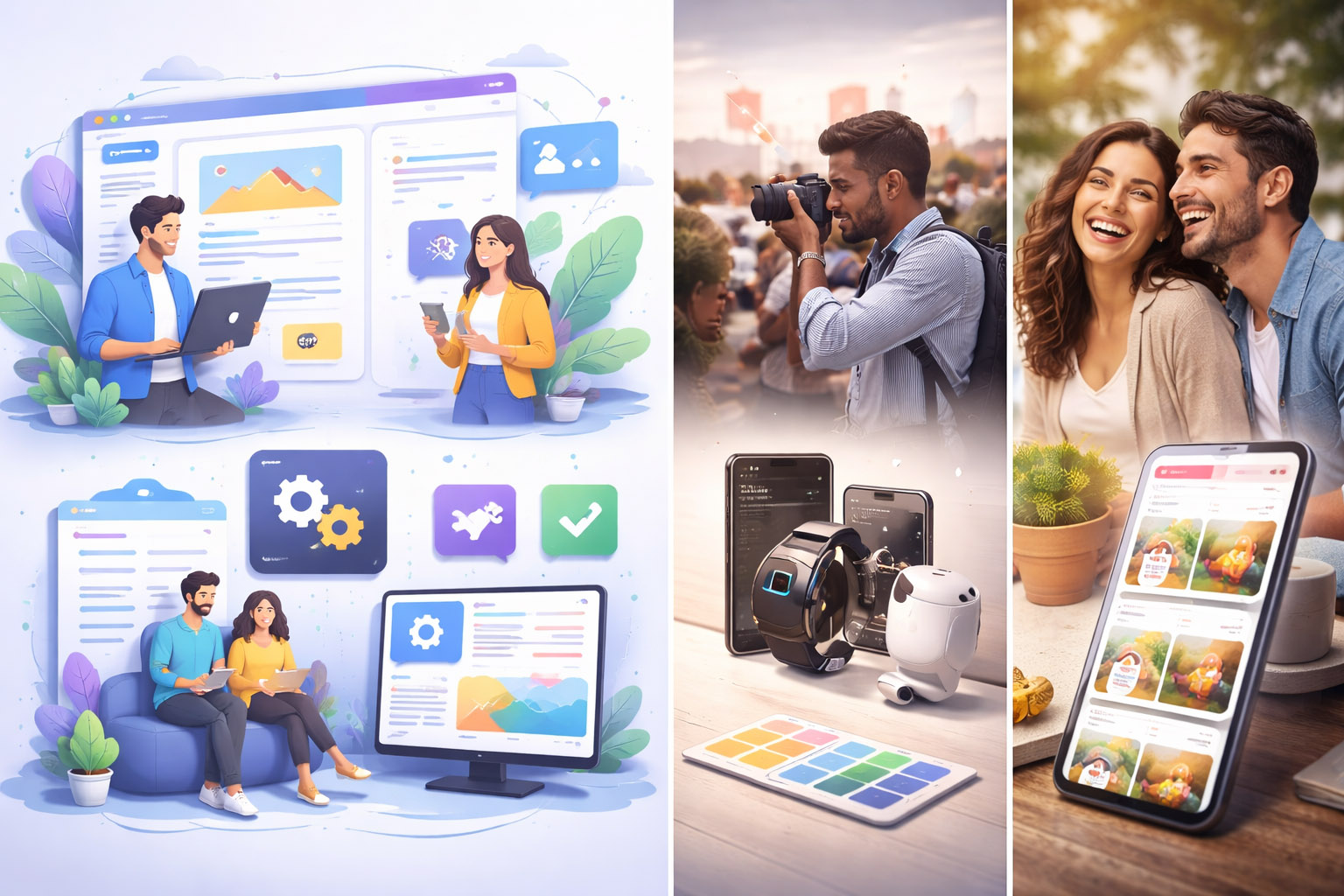
Vectors shine for systems. Photos win for reality.
Here’s a practical decision grid:
- Product marketing: vector/illustration for a consistent brand world; photo/bitmap for proof, trust, realism.
- Editorial: vector/illustration for symbolic storytelling; photo/bitmap for documentary clarity.
- UI: vector/illustration for icons, small visuals, states; photo/bitmap for complex images, textures, details.
- People: vector/illustration for inclusive “generic” representation; photo/bitmap for authenticity and emotion.
- Performance: vector/illustration when you can keep it simple; photo/bitmap when you can compress + lazy-load.
There’s also the “authenticity pendulum”: many brands periodically swing back to photography because it reads as more human after years of polished illustration.
AI Images
Next Step, or Detour Back to Bitmaps?
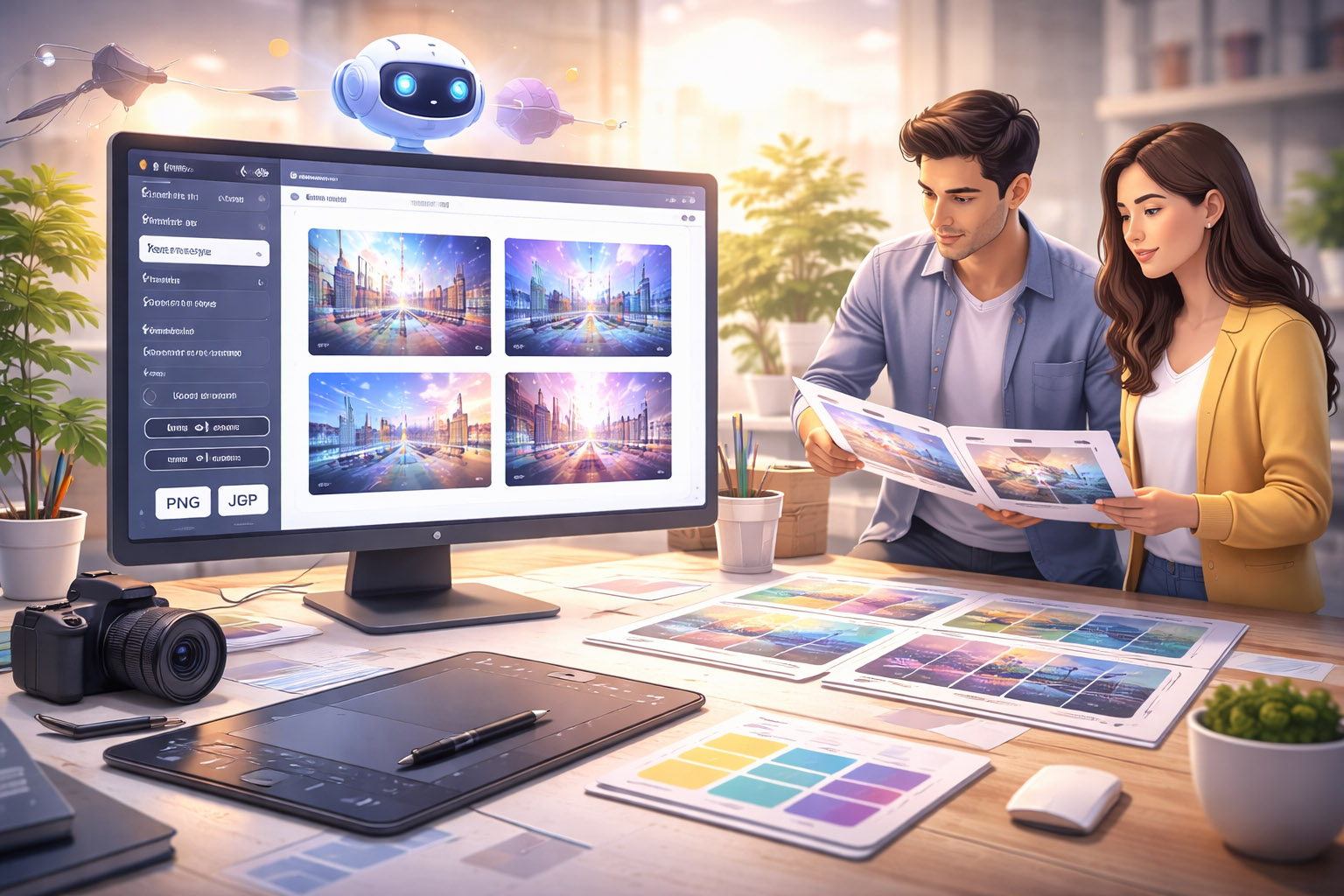
AI image generation is interesting because it’s mostly bitmap-first.
Even when the outputs look like illustration, the underlying deliverable is usually:
- PNG/JPEG/WebP
- a large pixel canvas
- a style that’s hard to reproduce consistently without tight prompting and reference control
So in a way, AI is a return to the bitmap era — but with a new superpower: fast, custom, infinite variation.
- Concepting speed: mockups get “good enough visuals” early.
- Art direction: teams can iterate on mood and composition quickly.
- Personalization: visuals can be generated per campaign or segment.
What AI Doesn’t Fix (Yet)
- System consistency: AI outputs drift in style and details.
- Editing reality: pixel edits can be fragile and time-consuming.
- Legal/ethical ambiguity: usage rules differ across tools and datasets.
The Likely Outcome: Hybrid Visual Systems
The most realistic “next step” isn’t AI replaces illustration or AI replaces photos.
It’s a hybrid pipeline:
- SVG icons + tokens for UI
- vector illustration kits for brand consistency
- photos where authenticity matters
- AI-generated imagery for concepting, occasional hero visuals, and fast experimentation
And quietly, there’s another direction emerging: AI tools that generate editable vector shapes (or at least layered outputs) so the asset can re-enter the “system world” instead of staying a one-off bitmap.
Conclusion
We Didn’t Leave Bitmaps — We Just Stopped Defaulting to Them
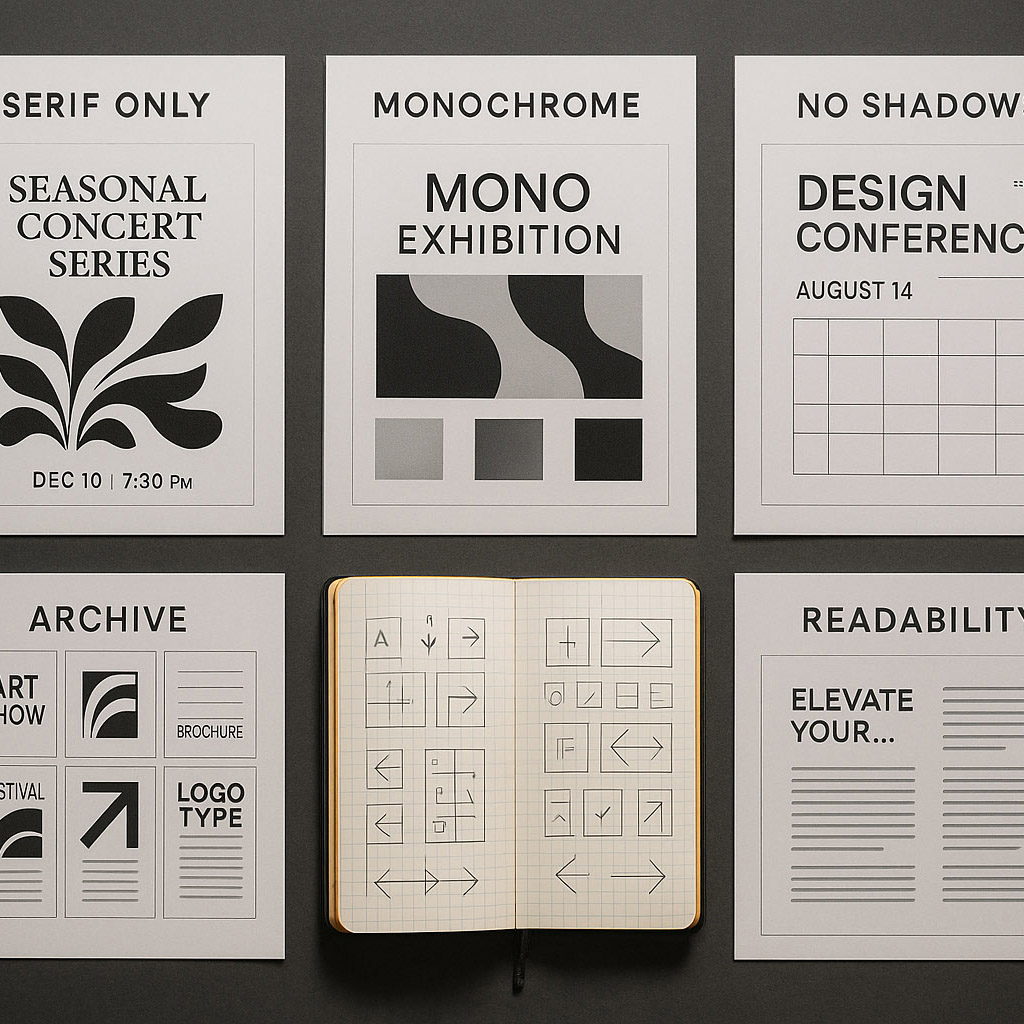
The story isn’t “illustration replaced photos.”
It’s: modern design became system-first, and vectors fit systems.
Illustration gave us:
- scalability
- speed
- consistency
- animation-friendly assets
But it also introduced a new risk: abstraction that looks beautiful and feels universal, while sometimes making the message slower to understand.
The next era will likely be less about choosing sides and more about building visual stacks: the right medium for the right kind of meaning — with AI acting as a new layer, not the foundation.