Jony Ive: From Apple’s Design Era to What Comes Next
Before the iMac, iPod, and iPhone: Jony Ive’s early life, his first Apple projects, why Steve Jobs trusted him, and the design culture that shaped modern consumer tech.


Before the iMac, iPod, and iPhone: Jony Ive’s early life, his first Apple projects, why Steve Jobs trusted him, and the design culture that shaped modern consumer tech.
If you grew up in the last twenty years, chances are you learned what “modern” looks like from one place: Apple hardware.
But Apple’s “modern” wasn’t just a style trend. It was a design culture — and Jony Ive was one of its chief architects. What’s fascinating is that his influence didn’t start with a blockbuster product. It began with craft, frustration, and a unique moment in Apple’s history when the company had almost nothing to lose.
If you enjoy Apple design history beyond hardware, you’ll appreciate our deep dive on macOS identity: Design Ups & Downs of Apple macOS: The Signature That Survived Every Redesign.
“Great product design is rarely about new decoration. It’s about new standards.”
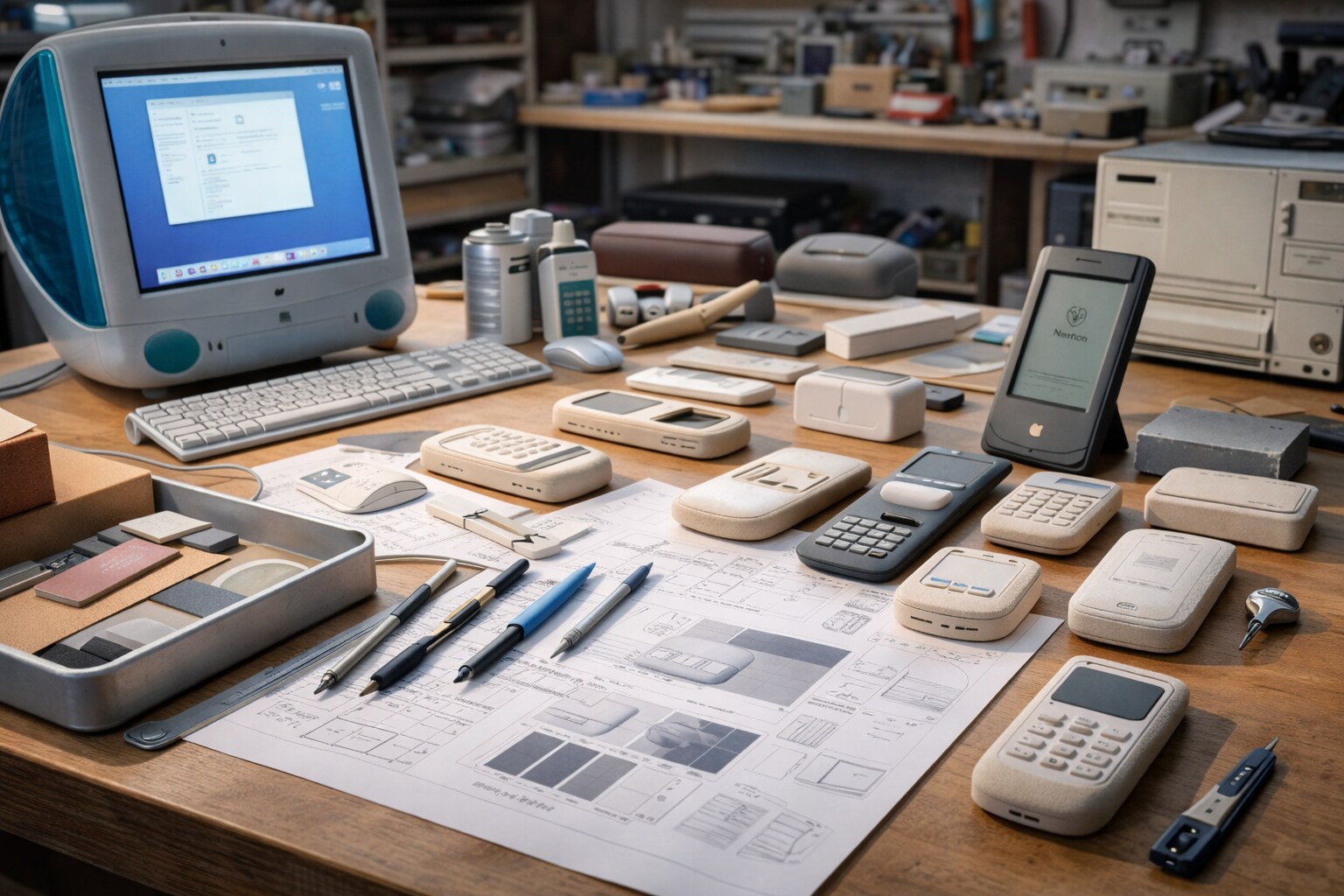
Ive’s early story isn’t about innate genius or a predetermined path. It’s more grounded: tools, materials, and a deep respect for making things well.
From profiles and interviews, a few themes stand out early on:
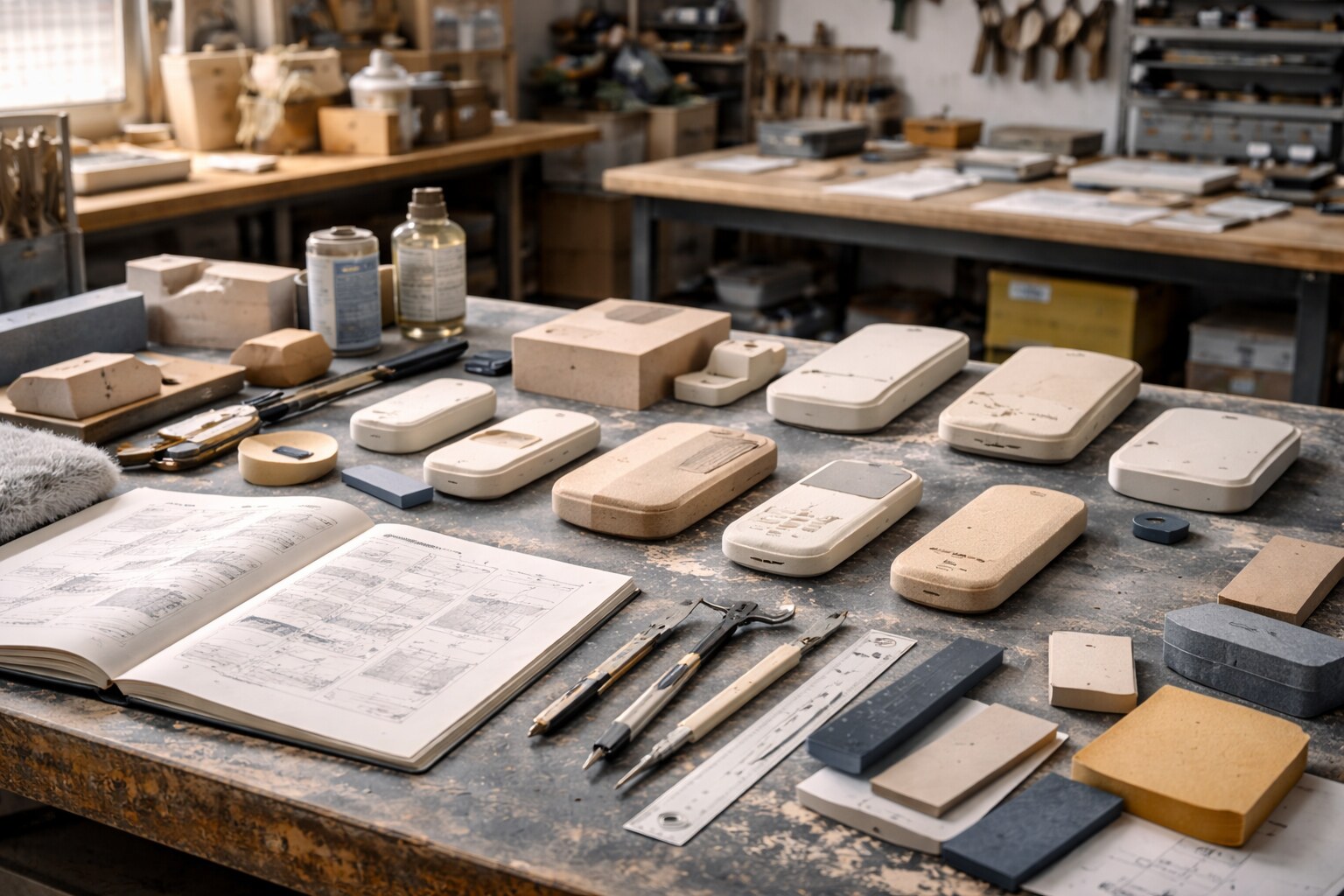
One often overlooked benefit of industrial design education: it trains you to fail cheaply. Foam models, tape, rough prototypes — fast learning before committing to a “perfect” solution.
Before Apple, Ive worked at a London design consultancy called Tangerine. This experience matters because consultancies force you to face reality:
It’s the opposite of internet-era design: not about vibes or mockups — but hard tradeoffs.
In several accounts, Apple appears in this phase too: the company worked with external designers in the early 1990s, and Ive’s work intersected with Apple projects before he officially joined.
Ive joined Apple in 1992. The Apple of that time was very different from today: messy product lines, inconsistent choices, and plenty of internal chaos.
One of his early projects is often cited as work on Newton-era hardware — especially the MessagePad 110 generation. The device itself wasn’t a mass-market hit, but the work was crucial: it pushed a young designer to face the hard realities of product design:
There’s also a telling detail from this period about his temperament: when he cared, he cared too much. He was known for staying close to manufacturing to ensure the object matched the original intent — the kind of dedication that goes beyond treating design as mere “surface”.
When Steve Jobs returned to Apple, he needed something very specific: a person who could translate a new Apple into objects people instantly understood.
Jobs didn’t pick Ive because he was the only talented designer available. He chose him because Ive embodied the kind of decision-making Jobs wanted to make standard:
That’s also why Jobs protected the design function. The design studio became a uniquely powerful place inside a tech company — not just a service department, but a core engine of direction.
“If I have a spiritual partner at Apple, it’s Jony.”
This quote is often repeated — but the key point is practical: Jobs trusted Ive’s taste enough to let it guide product decisions.
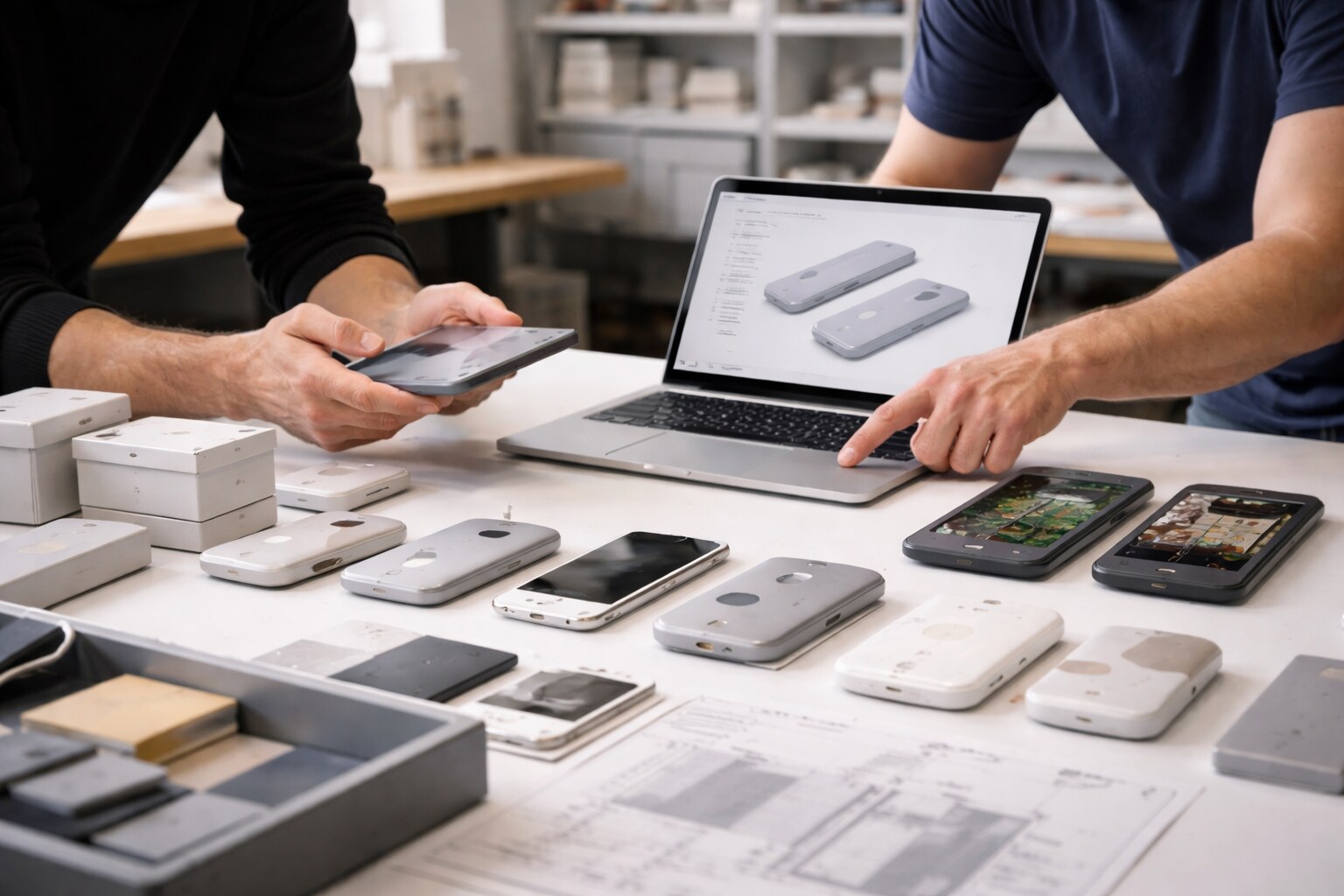
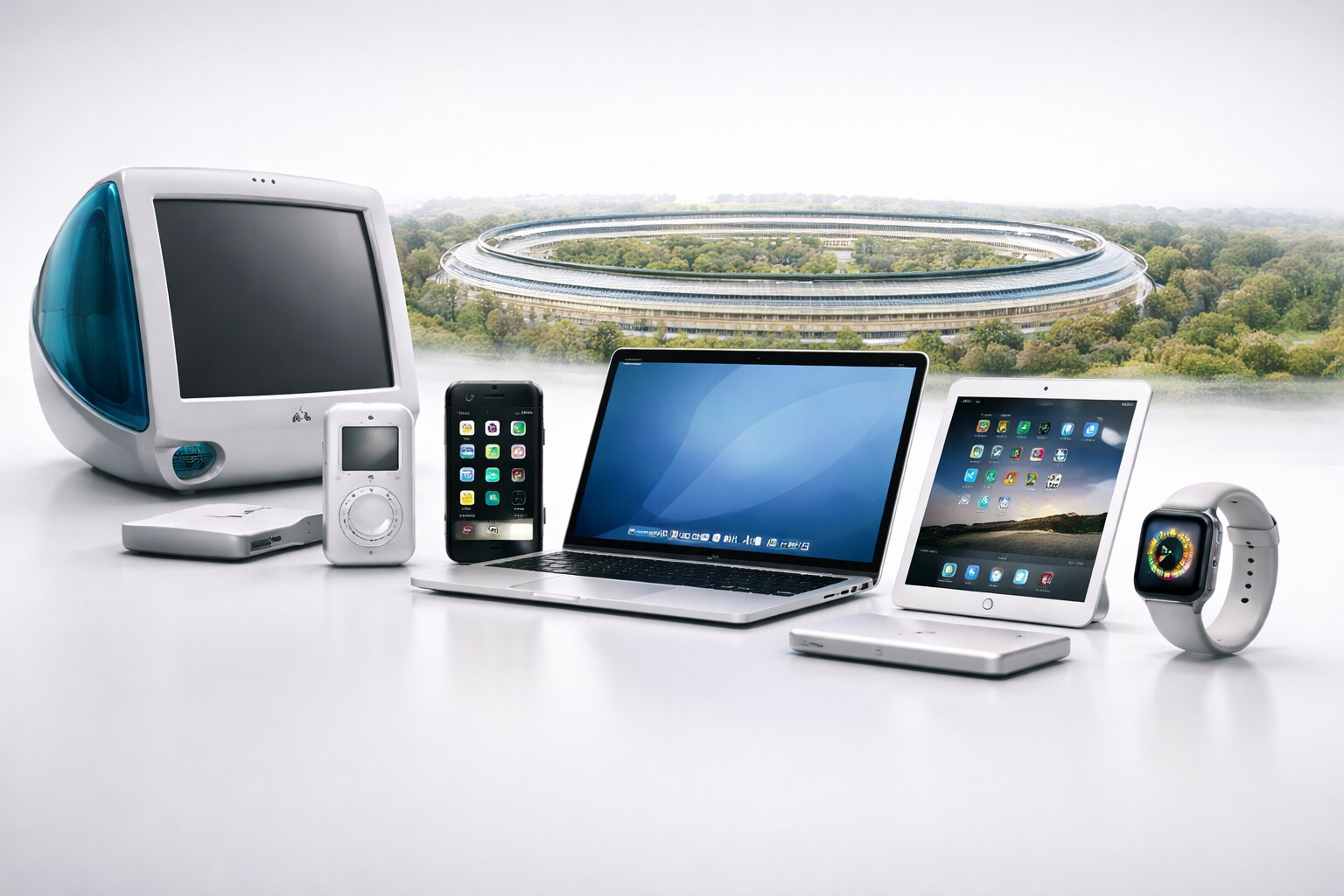
You don’t have to be an Apple fan to recognize this list as historically significant:
The real question is: what’s the shared DNA?
It’s not just “minimalism.” Minimalism is the visible outcome.
The shared DNA is:
In 2019, Ive left Apple to start LoveFrom, with Apple as an early client and the door open to other collaborations.
One notable partnership: Airbnb announced a multi-year relationship with LoveFrom to help design the next generation of its products and services.
More recently, Ive’s “what’s next” has shifted toward AI-era hardware: OpenAI acquired Ive’s hardware startup (io) in 2025, with Ive and LoveFrom taking on design responsibilities across OpenAI while remaining independent.
Whether you’re a fan of AI or not, this is a very “Ive” problem: current computing devices weren’t designed for this kind of interaction. If the interface changes, the object probably needs to change too.

Most teams copy the look (white, clean, thin). The harder advantage lies in the mindset behind the design.
The repeatable principles:
If you’re building products today, the lesson isn’t to “be minimalist.” The lesson is: make the product’s standards visible. Make the care measurable.
News, insights, case studies, and more from the rausr team — straight to your inbox.
Send us your brief, your wildest idea, or just a hello. We’ll season it with curiosity and serve back something fresh, cooked with care.