Most Famous Sports Brands: The Logo Stories and Why They Became Icons

10 legendary sports fashion and accessories brands — how their logos were born, who designed them (when known), what they cost, and why the brands became global.

15.01.2026 BY Jakub Portrait of Jakub
Most Famous Sports Brands: The Logo Stories and Why They Became Icons header image

Introduction

Sports branding is a weird category: the products are physical, the competition is brutal, and the “logo” ends up living everywhere — shoes, jerseys, hardware, TV, streetwear, and culture.

This is part of our branding series (if you interest in logo design and viewpoint behind scene, start with the process behind iconic logo design).

Below are 10 of the most famous sports fashion + accessories brands, with the best-known facts about:

  • what their logos mean (and how they changed)
  • who designed them (when the credit is public)
  • what the mark cost (when it’s documented)
  • why the brand became “glorious”: product, marketing, word of mouth — or a mix

One important note: for many legacy brands, the exact logo designer is not publicly documented (especially older marks created in-house). In those cases, the “designer” is simply unknown.
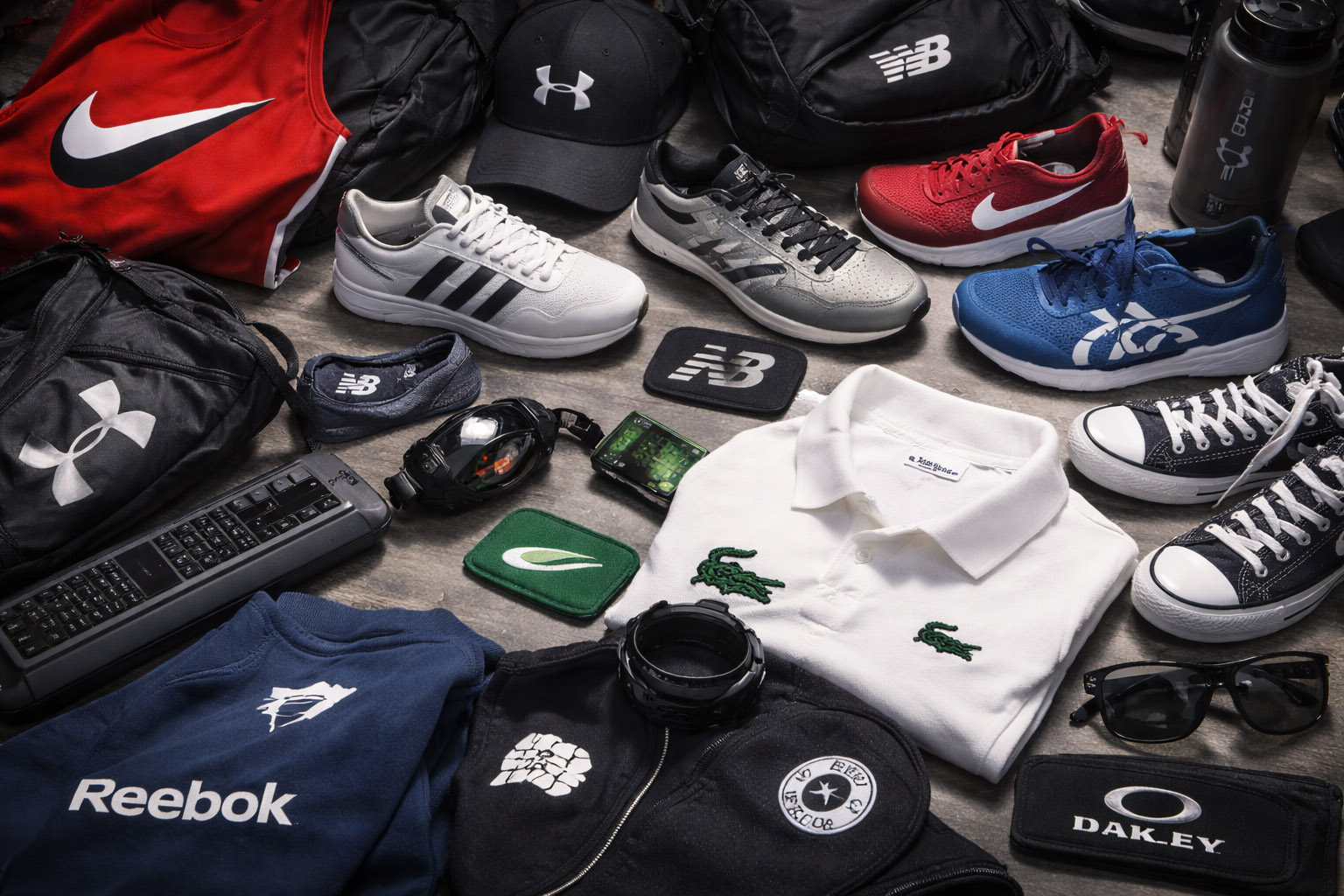
Collection of iconic sports brand logos on products and apparel

Nike

The $35 Swoosh That Became a Global Language

Nike is the cleanest example of a brand mark becoming a verb in people’s heads: “Just do it” is culture, and the Swoosh is a universal shorthand for performance.

  • Logo idea: motion + speed (often described as the wing of the Greek goddess Nike)
  • Who designed it: Carolyn Davidson (a design student at the time)
  • What it cost: $35 (widely cited as the original payment)

Why it became iconic:

  • product: innovation cycles + constant iteration (from running to lifestyle)
  • marketing: athletes + storytelling + consistency
  • word of mouth: the logo became a status signal in sport and streetwear

“A great sports logo works in two modes: it looks good on a shoe at 2 cm — and it looks powerful on a stadium banner at 20 meters.”
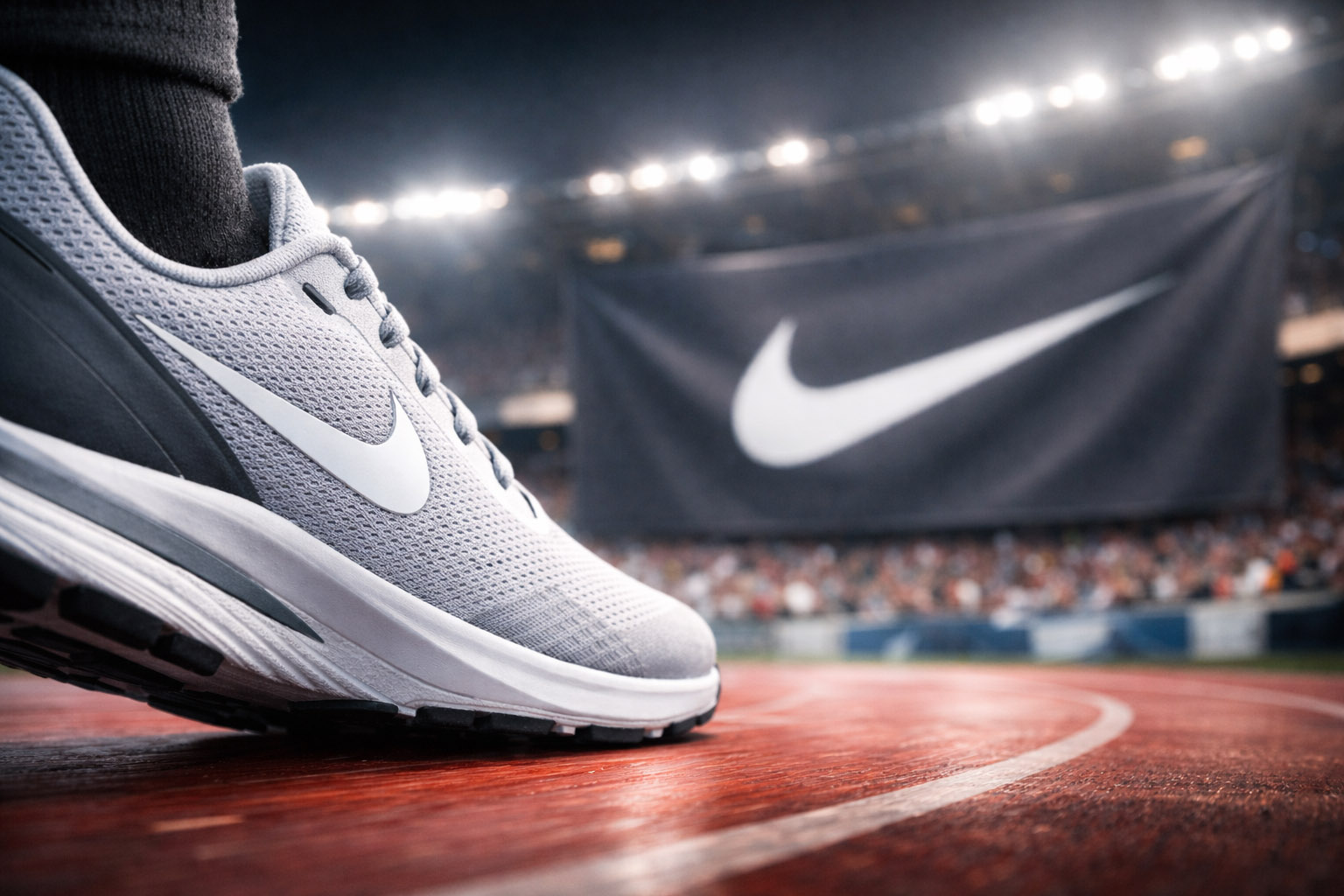
Nike Swoosh logo shown on footwear and sportswear as a symbol of speed

adidas

Three Stripes You Can Recognize From a Moving Bus

adidas is a masterclass in what researchers call distinctive brand assets: simple, repeated, and impossible to confuse at speed.

  • Logo idea: the brand can be identified by structure (stripes) even without a wordmark
  • What’s “unknown”: the three-stripes system evolved over time; many versions were refined internally
  • A famous origin story: adidas is often said to have acquired stripe rights from Karhu for a small amount and (reportedly) bottles of whiskey — a detail repeated in brand-history retellings

Why it became iconic:

  • product: performance credibility + partnerships
  • marketing: athlete endorsements + music/street adoption
  • branding: the stripes work as pattern, not just a badge
adidas stripes used as a pattern across footwear and apparel

Puma

The Cat, the Family Feud, and a Brand Built on Speed

Puma’s story is inseparable from adidas because both brands are tied to the Dassler brothers split — one of the most dramatic “brand origin” stories in business.

  • Logo idea: agility, jump, acceleration (a cat in motion)
  • Designer credit: not consistently published for the modern cat mark (often treated as an in-house evolution)

Why it became iconic:

  • product: performance footwear + football legacy
  • marketing: athlete partnerships (and later, fashion collaborations)
  • story: the origin myth is so strong it becomes branding itself

Puma’s visual strength comes from silhouette: even without color, the “jumping cat” reads instantly as motion — perfect for sports.

Puma jumping cat logo emphasizing motion and athletic energy

Under Armour

A Logo Built Like a Buckle

Under Armour is modern compared to most of this list, and its branding reflects that: bold, industrial, almost mechanical.

  • Logo idea: mirrored “U” and “A” forming a single locked symbol
  • Designer credit: commonly described as founder-led / internal (public designer attribution is limited)

Why it became iconic:

  • product: performance fabric narrative (“sweat tech”) that people could feel
  • marketing: strong category language + athlete credibility
  • timing: it arrived when sportswear was becoming everyday uniform
Under Armour UA logo mark with bold, industrial geometry

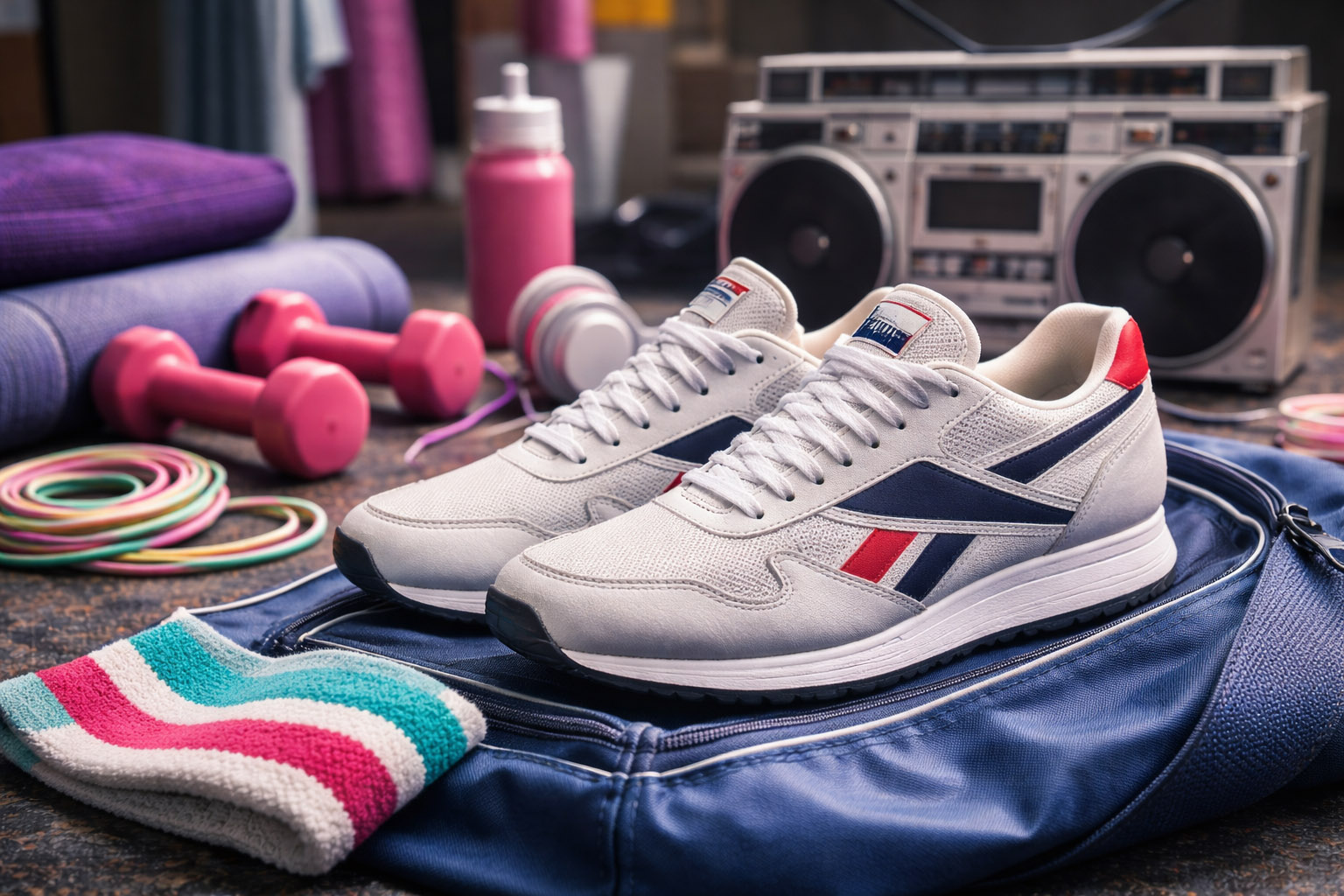
Reebok

From “Rhebok” to Vectors and Back Again

Reebok has one of the most interesting identity histories because it has repeatedly changed how it wants to be perceived: performance brand, fitness brand, classic heritage.

  • Name origin: from the rhebok (an African antelope)
  • Logo shifts: wordmark eras → vector mark era → heritage revivals

Why it became iconic:

  • product: strong moments in running + fitness culture
  • marketing: being attached to a movement (aerobics era) can be as powerful as a single product
Reebok identity changes across decades, from wordmarks to vector mark

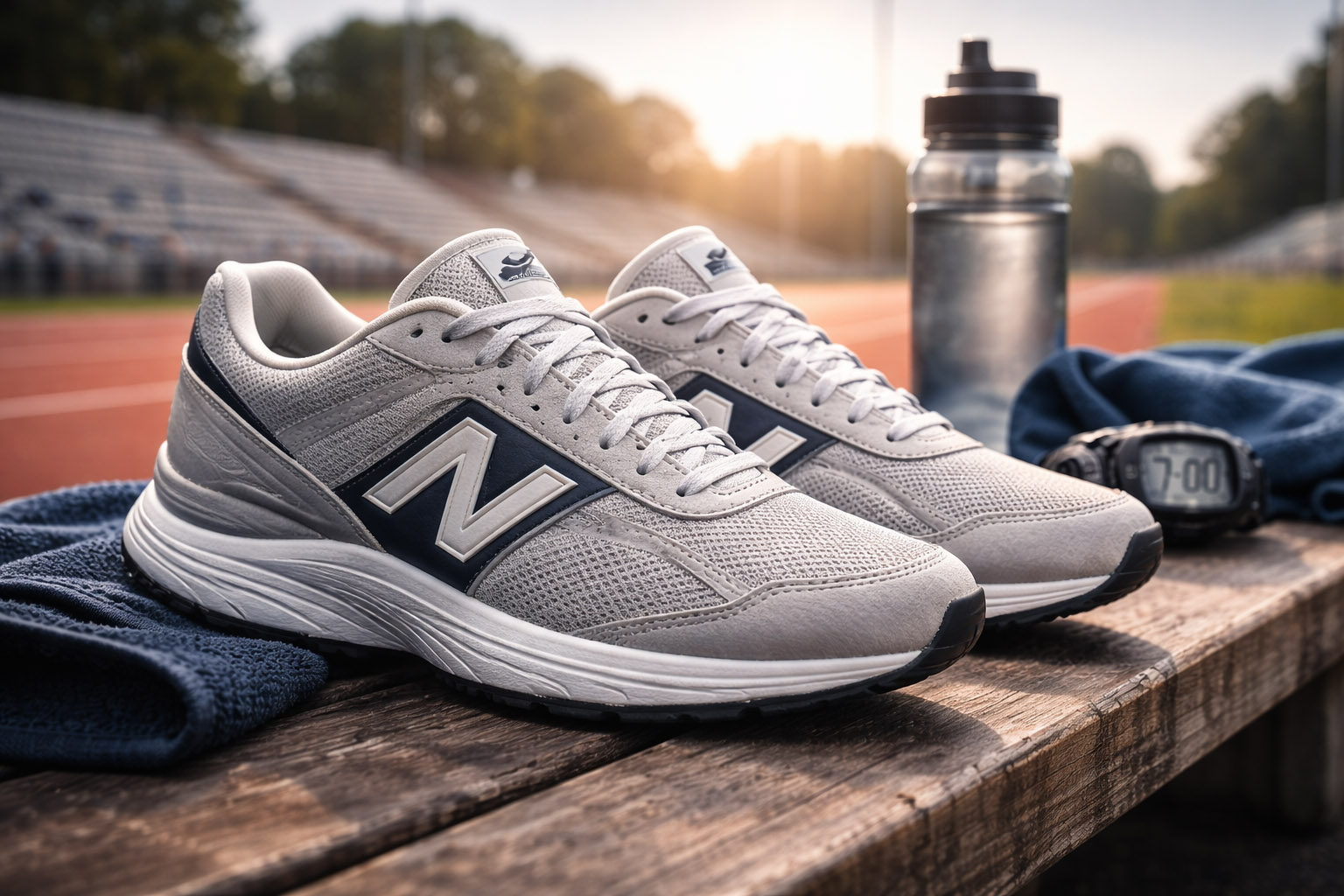
New Balance

The “NB” That Signals “Serious Runner”

New Balance branding is quiet on purpose. It doesn’t chase being loud — it builds trust through repeated performance cues, then gets adopted by culture later.

  • Logo idea: speed lines + a stable “NB” monogram
  • Designer credit: not consistently public for the modern NB mark (often treated as an internal evolution)

Why it became iconic:

  • product: credibility with runners (fit, durability, comfort)
  • word of mouth: “they’re comfortable” is the simplest marketing line on earth
  • branding: the mark looks technical without being complicated
New Balance NB monogram with speed lines on running shoes

ASICS

A Philosophy Hidden in Plain Sight

ASICS is one of the few brands whose name is literally a message.

  • Name origin: Anima Sana In Corpore Sano (“a healthy mind in a healthy body”)
  • Logo idea: a consistent wordmark + “a” swirl variants that lean into motion

Why it became iconic:

  • product: running community trust + performance focus
  • marketing: less hype, more proof (a different path to fame)

Some brands get famous by being loud. ASICS became famous by being present in the one place that matters most: on people’s feet during real training.

ASICS wordmark and swirl logo associated with running performance

Lacoste

The Crocodile That Invented “Wearable Branding”

Before logos were everywhere on clothing, Lacoste’s crocodile was an early proof that a small emblem can become status, identity, and shorthand.

  • Logo idea: a nickname turned into a symbol (René Lacoste was associated with “the crocodile”)
  • What made it special: the emblem was worn on the outside — not hidden — decades before modern logo culture exploded

Why it became iconic:

  • product: the polo became a design object (not just sportswear)
  • branding: the crocodile reads like a character, not a shape
  • culture: it moved from sport → lifestyle → fashion
Lacoste crocodile emblem embroidered on a classic polo shirt

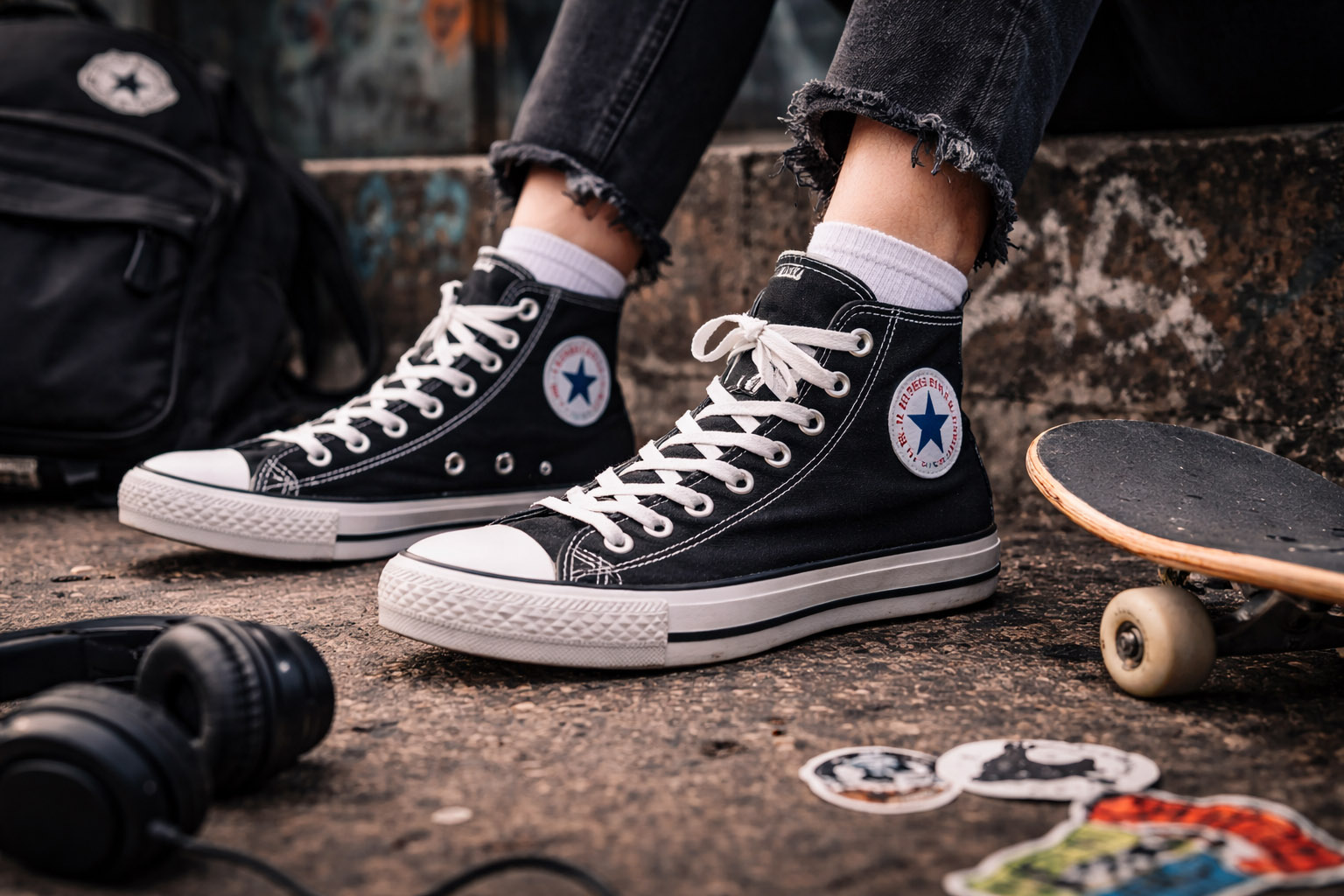
Converse

The Star Chevron and the Power of Subculture

Converse is a great case of a sports product that outlived its original performance era and became a cultural uniform.

  • Logo idea: star + chevron = badge + direction (classic “team sports” geometry)
  • Brand transformation: from performance basketball heritage to music + streetwear identity

Why it became iconic:

  • product: the silhouette became timeless (even if the tech wasn’t)
  • word of mouth: subcultures act like distribution networks
  • branding: minimal mark + instantly readable shape language
Converse Star Chevron logo used on sneakers and streetwear

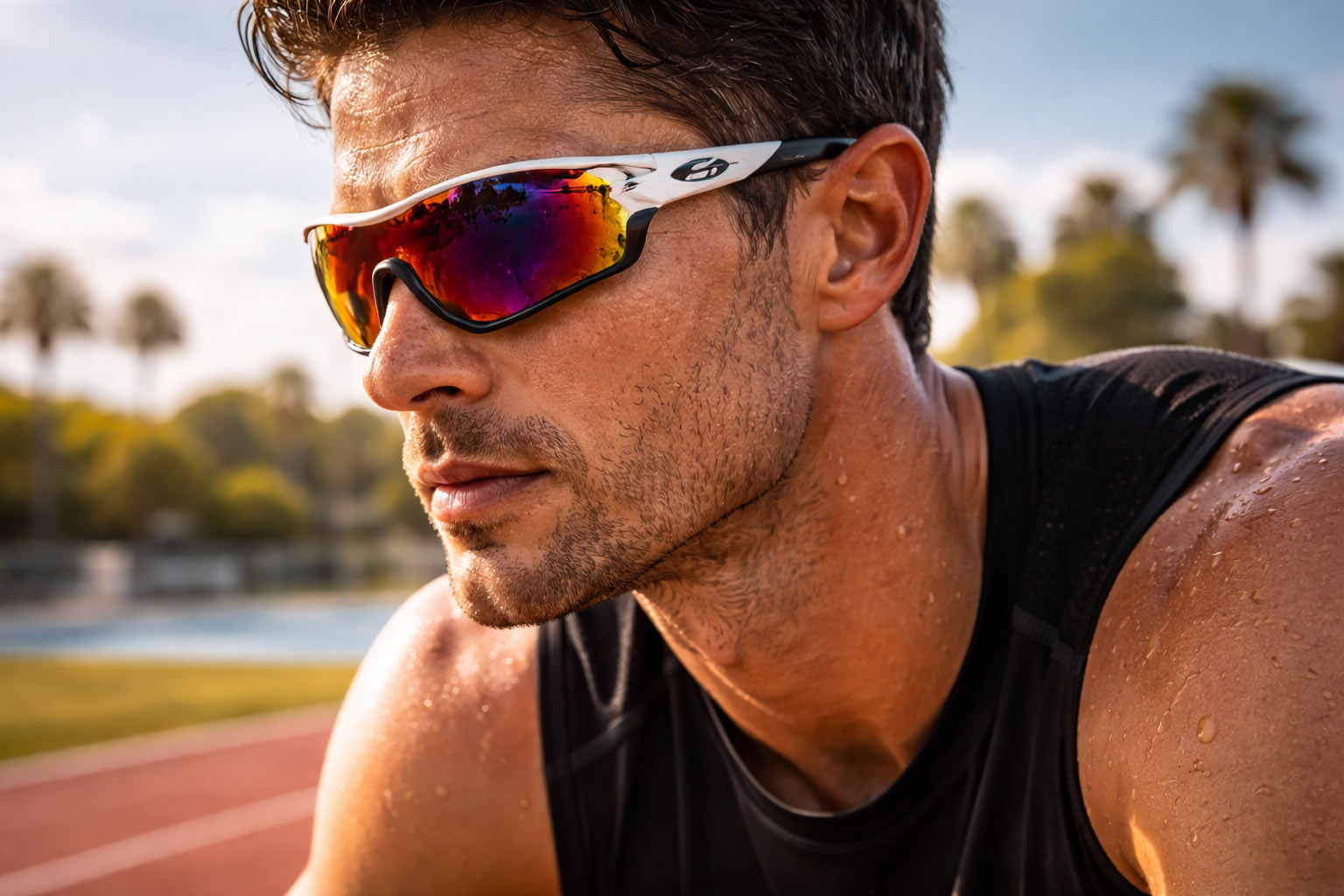
Oakley

Turning Accessories Into Performance Identity

Oakley proves that “sports accessories” can brand as strongly as shoes. For many athletes, eyewear is not decoration — it’s equipment — and the logo becomes part of that technical story.

  • Logo idea: a clean “O” icon that reads well at tiny sizes on hardware
  • Brand system: aggressive shapes, sharp edges, performance messaging

Why it became iconic:

  • product: functional superiority (fit, optics, durability)
  • marketing: the brand became synonymous with a certain high-performance aesthetic
Sports eyewear and accessories with a recognizable icon logo mark

What Actually Creates “Glory” for Sports Brands?

In reality, it’s rarely just product or just marketing. The famous brands stack advantages:

  1. A product story people can repeat (comfort, speed, durability, “helps me win”)
  2. A simple visual code (stripes, swoosh, animal silhouette, monogram)
  3. Distribution + visibility (teams, athletes, retail placement, events)
  4. Culture adoption (music, streetwear, film, internet)
  5. Time + consistency (a logo becomes famous through repetition, not novelty)

Logos don’t become iconic because they are “beautiful”. They become iconic because they are seen during moments that matter: winning, belonging, identity, confidence, and memories.
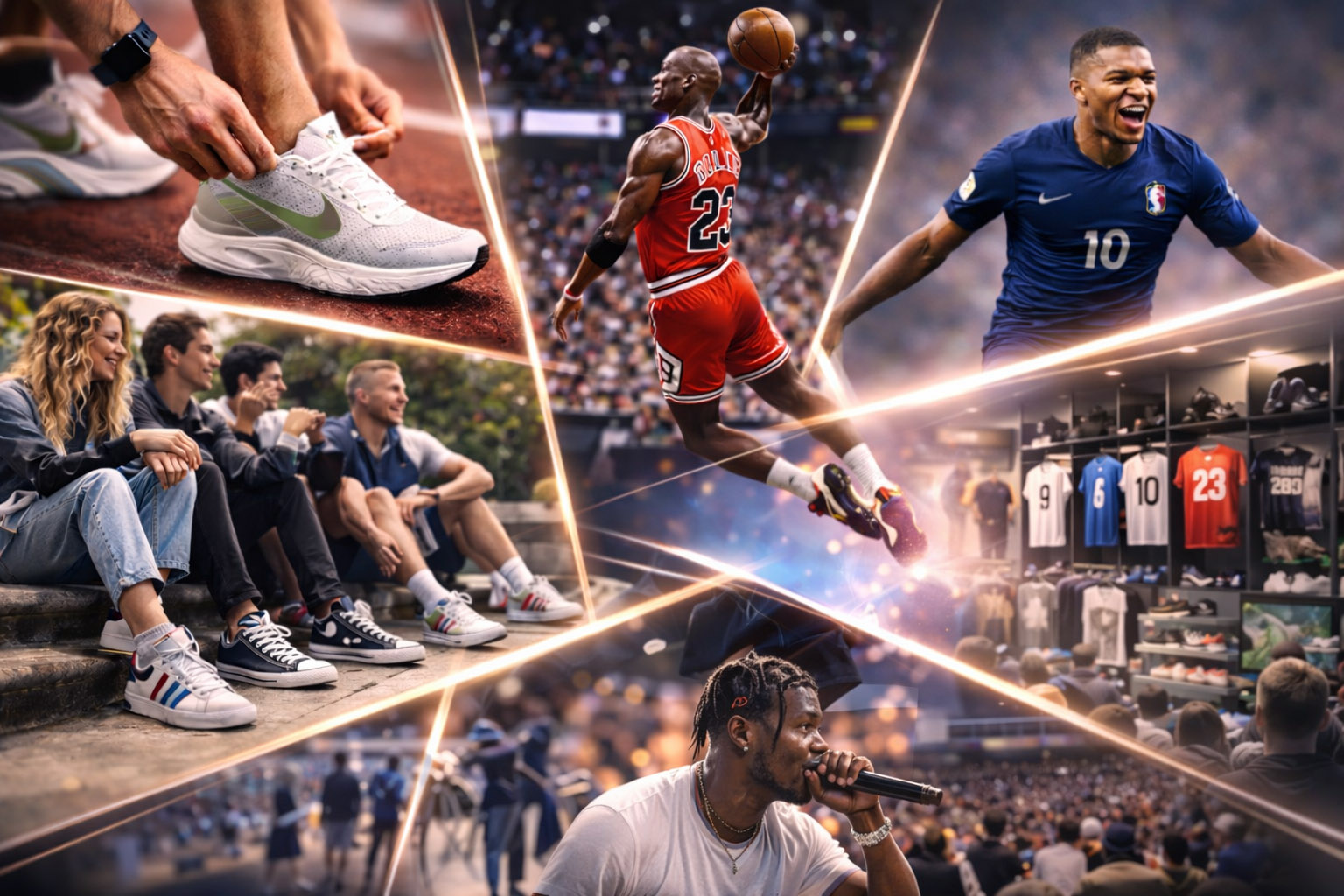
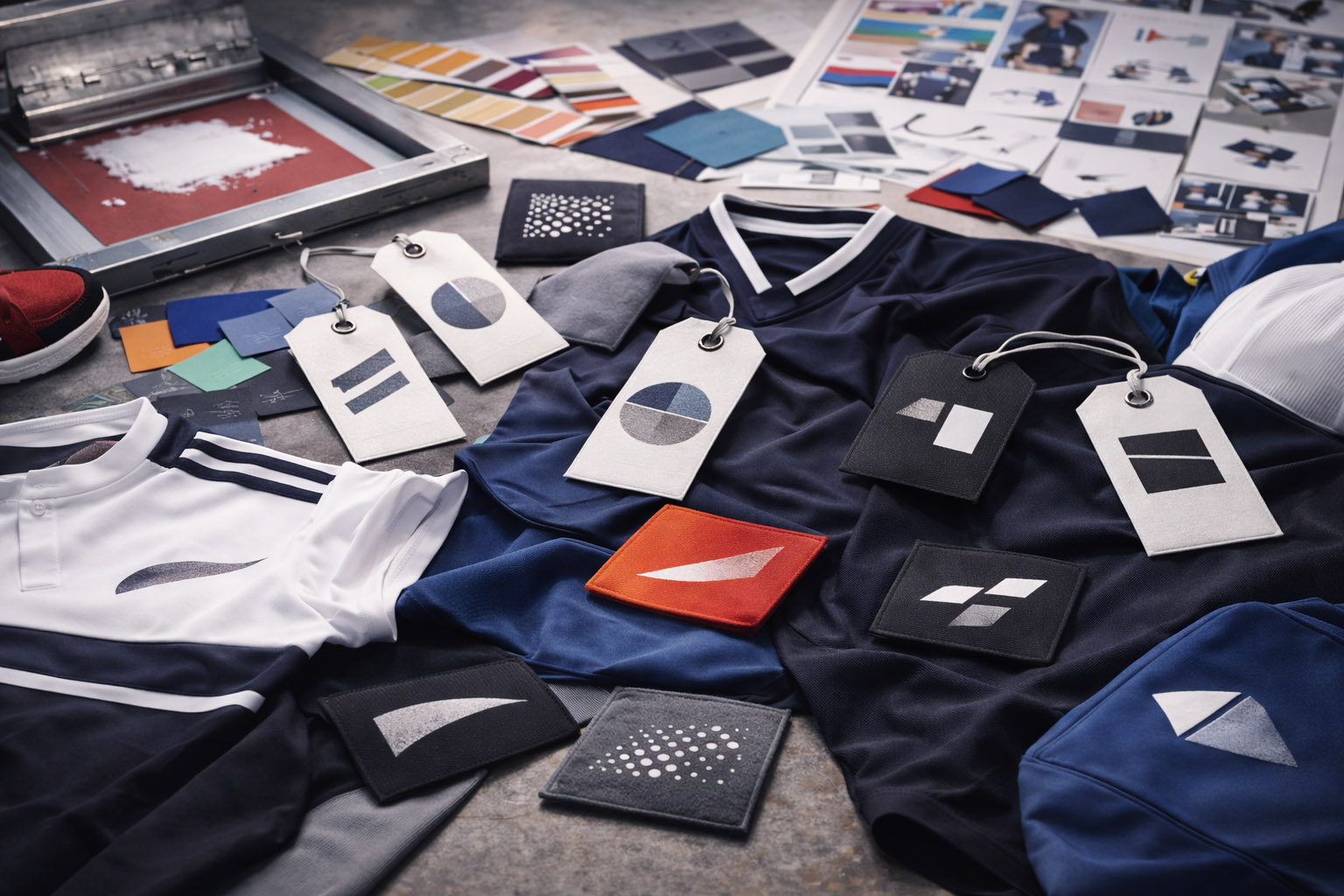
Iconic sports branding assets shown in real-world use: apparel, shoes, and accessories

How Much Do These Logos Cost Today?

The most famous sports logos were often created cheaply (Nike is the classic example). But the modern cost is rarely the “drawing” — it’s the rollout:

  • redesigning packaging, retail, signage, uniforms
  • updating apps, websites, templates, sponsorship assets
  • legal + trademark work across countries

That’s why major identity changes can reach six or seven figures even when the logo itself looks simple.
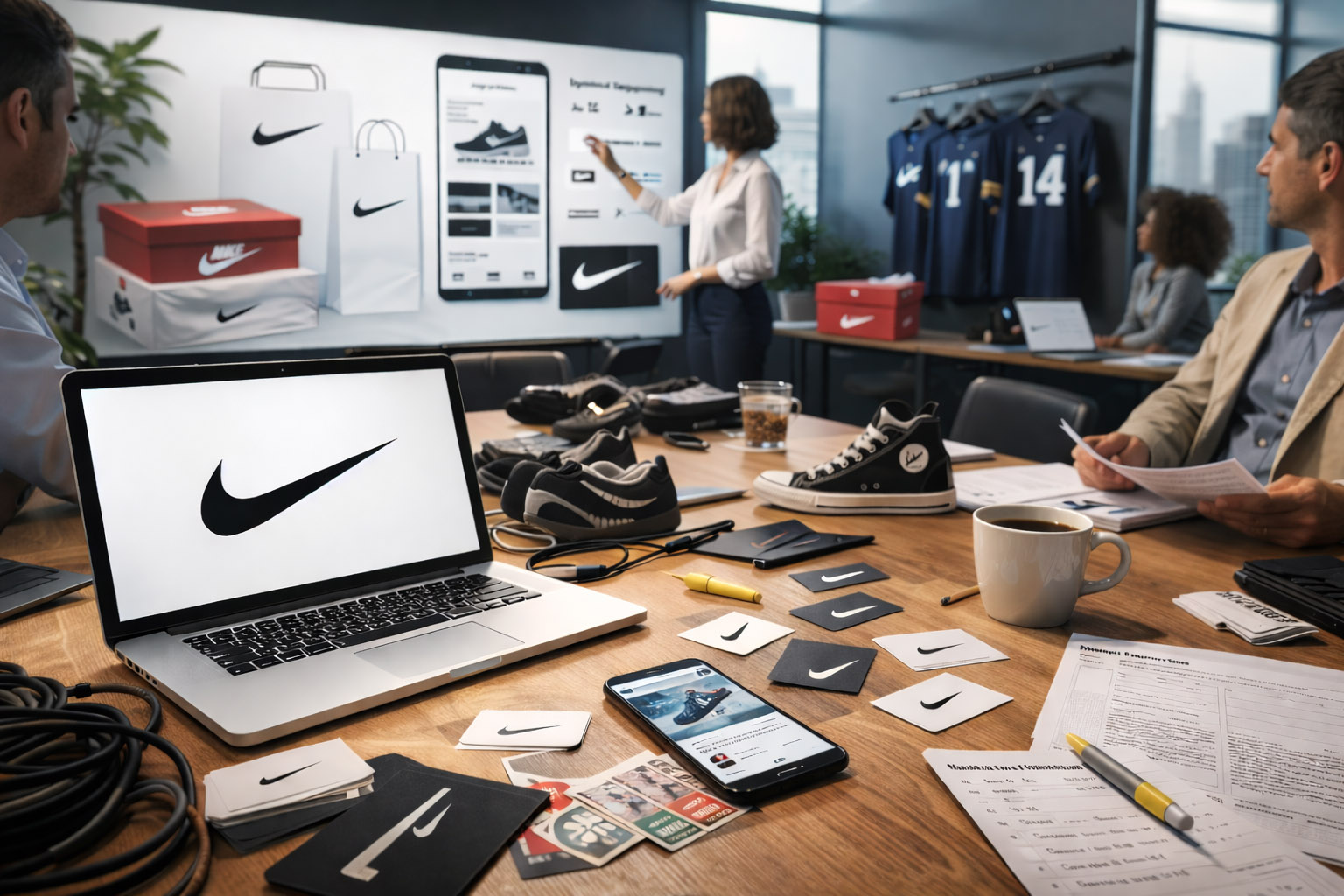
Brand rollout work: updating packaging, retail signage, and digital design systems

Conclusion

Sports branding works because it combines performance with identity. The best logos here aren’t just marks — they’re shortcuts to a feeling: speed, confidence, belonging, discipline, style.

But the real lesson is that fame is built through repetition, not revelation. Most of these brands didn’t “win” because they had the prettiest logo — they won because they created a system people recognized instantly, then placed it in the most emotional places: competition, team culture, and everyday routines.

Thanks for reading ✌️
Take a look at graphic recipes from our chefs 🥑
Sections in this article
← Newer article Older article →

Let’s Dish It Out

Send us your brief, your wildest idea, or just a hello. We’ll season it with curiosity and serve back something fresh, cooked with care.