What Was Used Before Photoshop: Graphic Design in the 20th Century
Long before digital tools and Ctrl+Z, graphic design was a tactile, manual, and often underappreciated craft. Here's what it really took to be a designer in the last century.

Long before digital tools and Ctrl+Z, graphic design was a tactile, manual, and often underappreciated craft. Here's what it really took to be a designer in the last century.
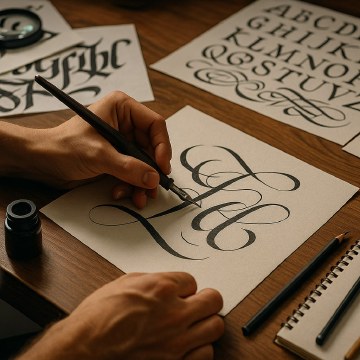
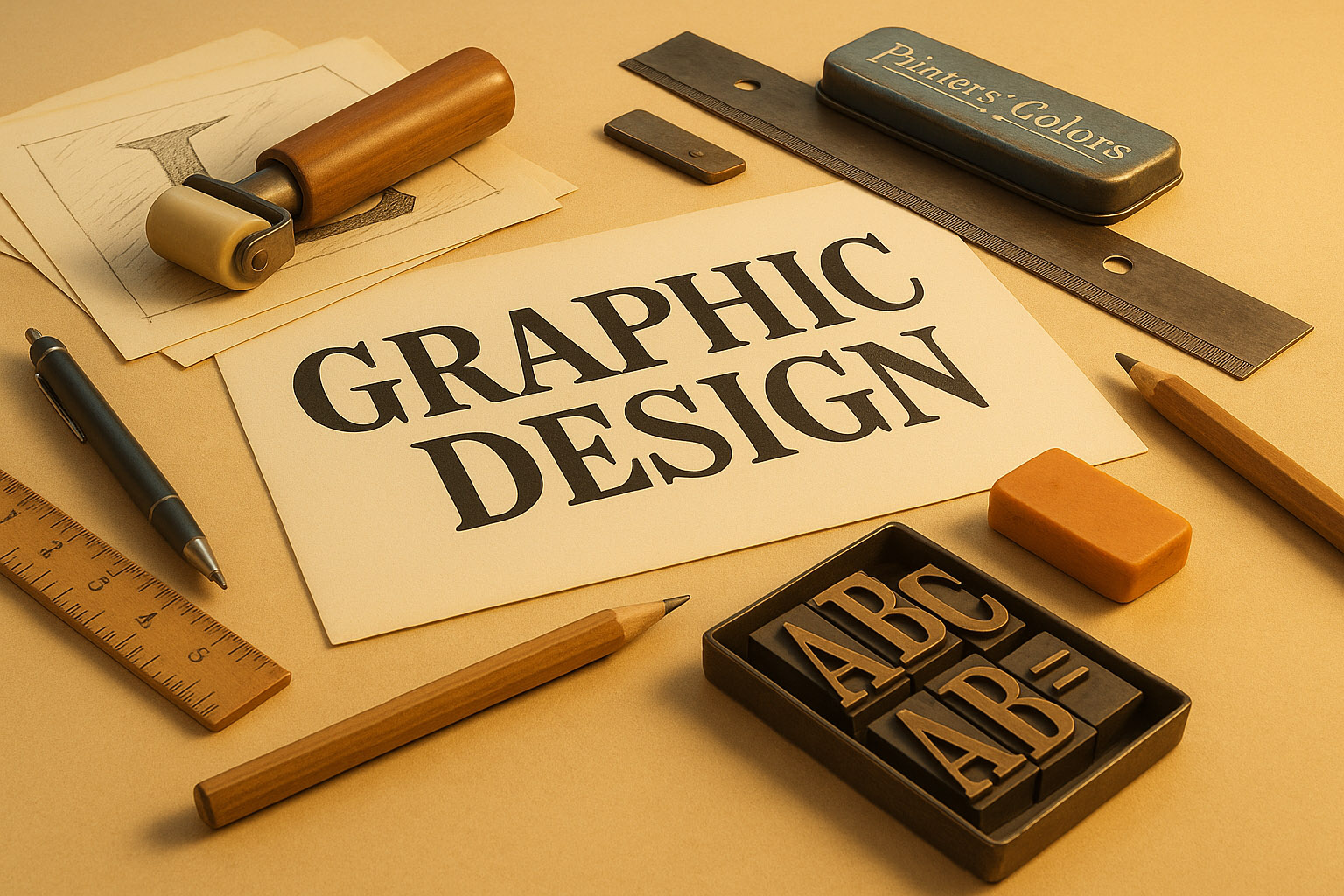
In a world before Photoshop, Illustrator, or Figma, being a graphic designer was a slow, skilled, and deeply physical process. Every layout was cut and pasted — literally — with scalpels and glue. Every typeface was chosen from drawers, not dropdowns.
And yet, the output shaped advertising, politics, packaging, and pop culture. This was the analog age of design.
Here’s what designers used during most of the 20th century:
And of course: scalpels, glue, tape, rulers, and type catalogs.
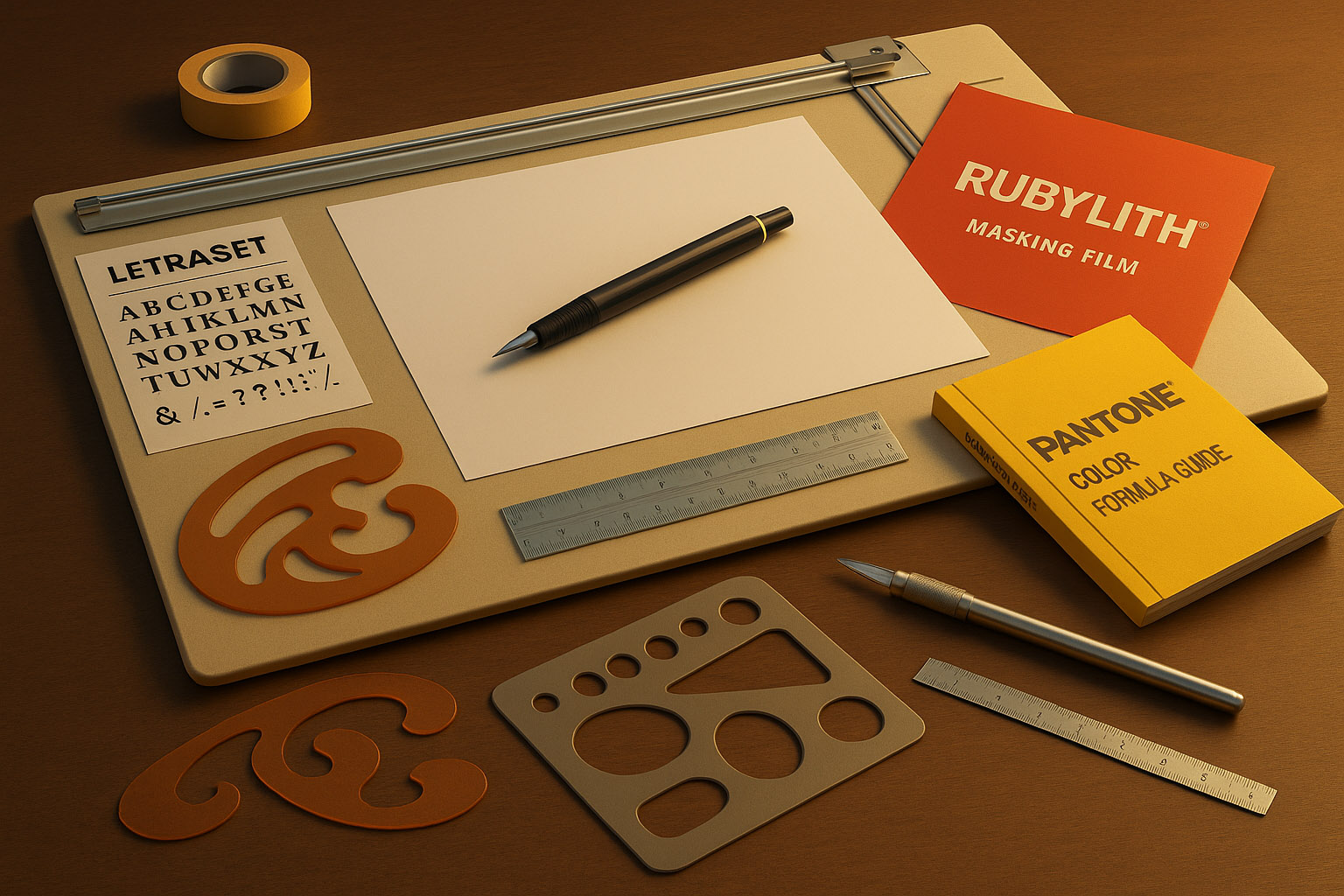
Designers didn’t “export to PDF” — they prepared camera-ready artwork or “mechanicals” for printing:
Corrections meant slicing, reprinting, repositioning — sometimes hours of work for a 3mm adjustment.
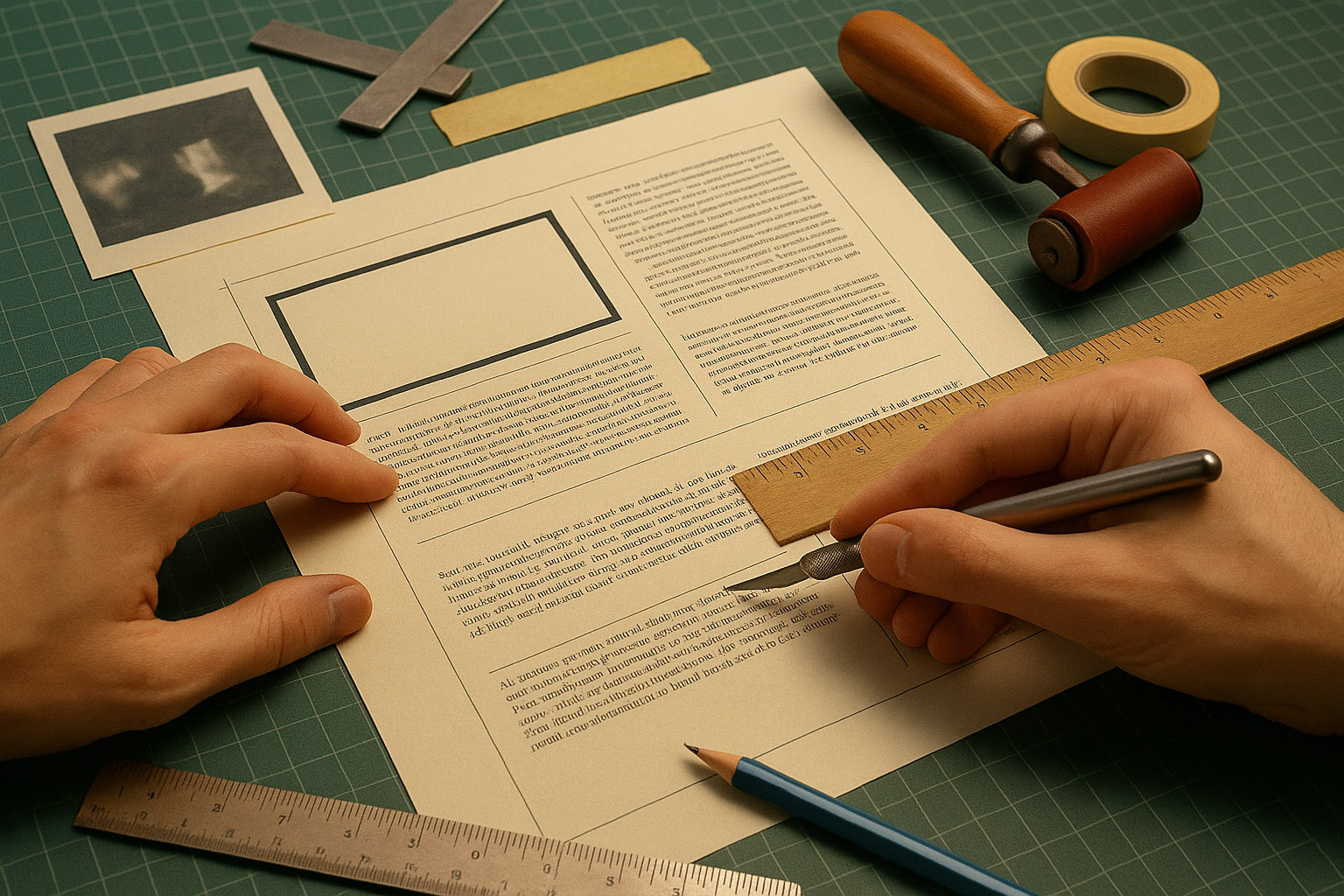
A poster might take days to finish. A magazine layout: weeks.
Because the work was so tactile, there was less iteration — decisions mattered more. Designers learned to be more deliberate, more decisive, more focused.
There was no going back three versions to “see which one was better.” The process encouraged confidence and mastery.
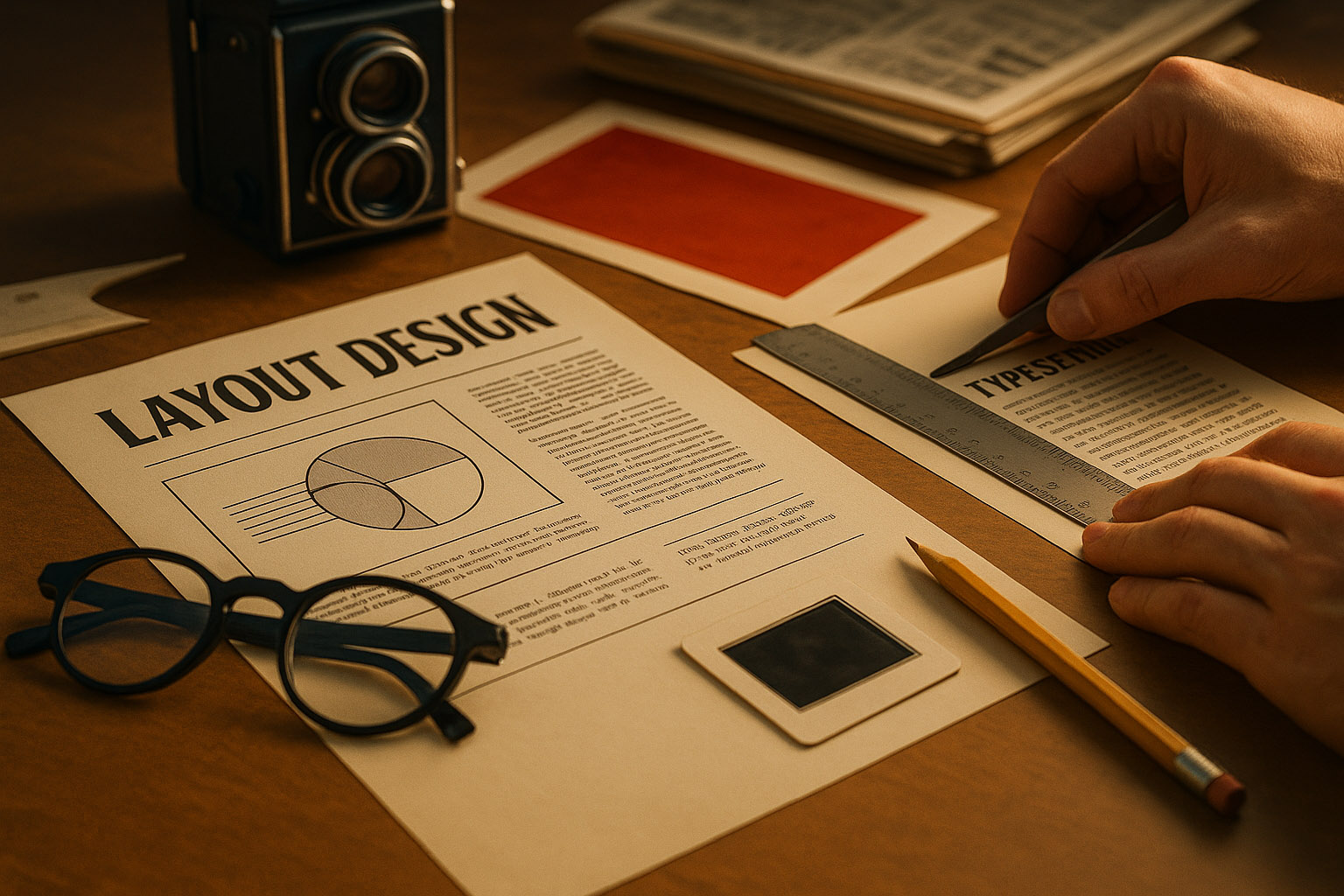
Absolutely. Design studios, advertising agencies, and even printing shops employed full-time layout artists, illustrators, and typographers.
In larger cities, designers were respected professionals — often dressing sharply and presenting their work like architects or ad executives. Their work shaped newspapers, posters, packaging, and branding in ways that were culturally influential, even political.
Many of these designers weren’t credited publicly. Their work passed anonymously into the world — elegant, bold, iconic — but their names rarely appeared on it.
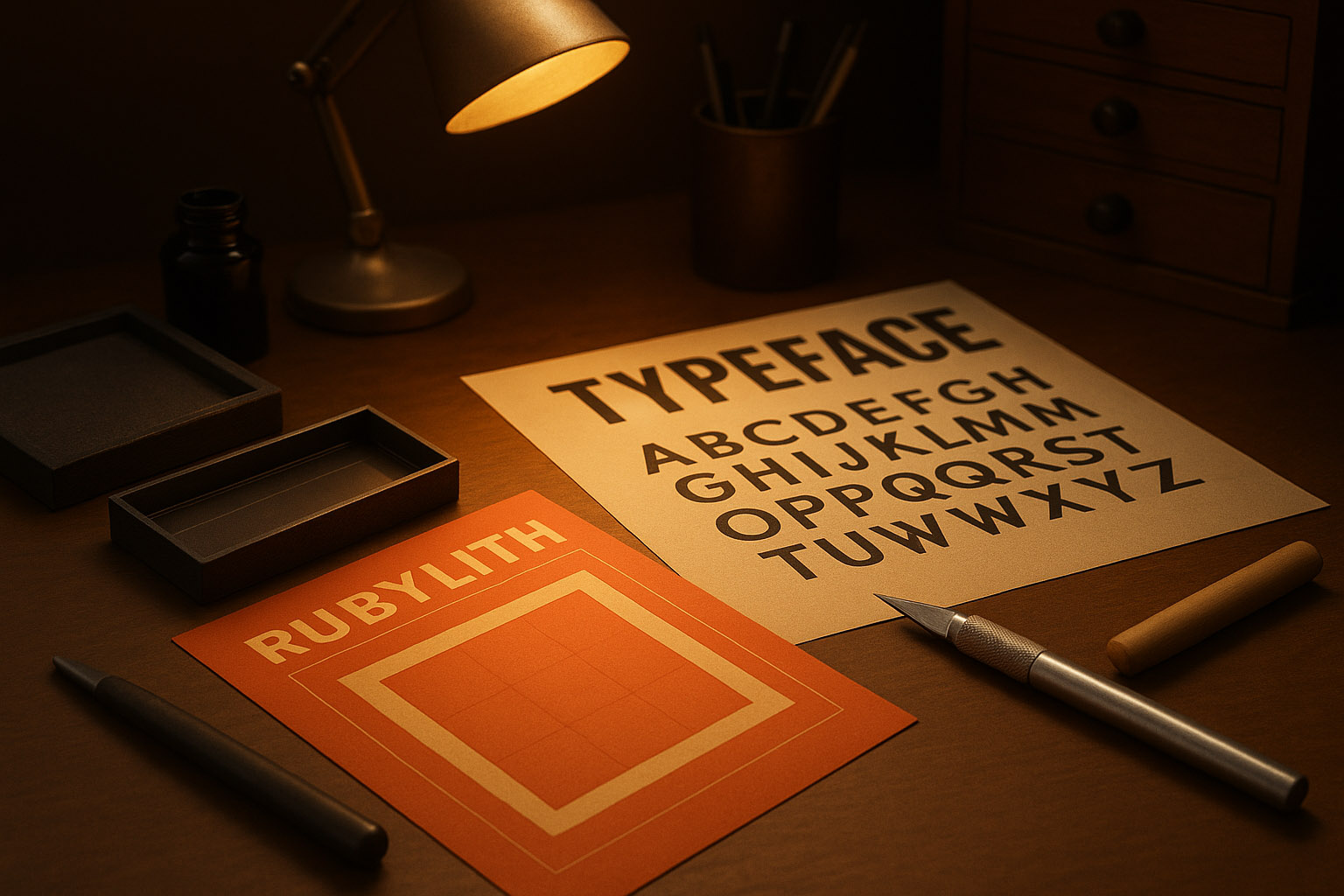
Design before computers was physical, deliberate, and slow — but no less brilliant. It demanded skill, patience, and incredible attention to detail.
It was a time when a designer’s toolkit included knives and glue, not shortcuts and plugins. And although the process has changed, the fundamentals of composition, typography, and storytelling remain timeless.
“Next time you admire a vintage poster or mid-century logo, remember: someone made that by hand — one piece at a time.”
News, insights, case studies, and more from the rausr team — straight to your inbox.
Send us your brief, your wildest idea, or just a hello. We’ll season it with curiosity and serve back something fresh, cooked with care.