Where Do Designers Find Inspiration?
A short report on the rituals, environments, and mental spaces where designers find inspiration — beyond screens, tools, and deadlines.

A short report on the rituals, environments, and mental spaces where designers find inspiration — beyond screens, tools, and deadlines.
Every designer knows the feeling: the blank canvas, the uncooperative cursor, the silent pressure to “be creative.”
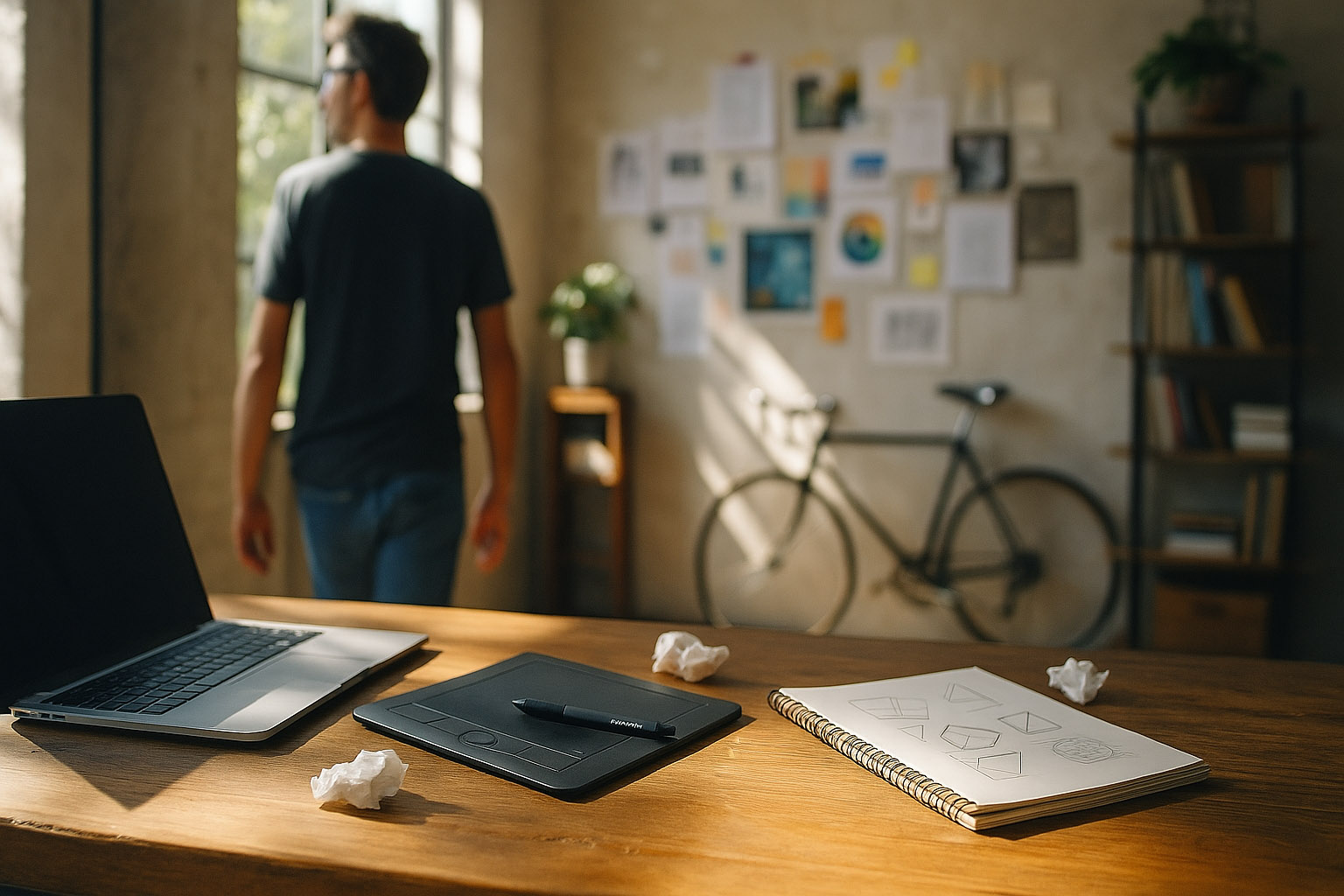
And yet — the best ideas rarely come when you’re sitting at the desk.
They come when you step away.
Design inspiration is often misunderstood as something you “search” for online. But most designers don’t search — they notice.
They absorb, wander, and connect dots between completely unrelated experiences.

Psychologists call this the incubation effect — when your subconscious keeps solving a creative problem while your conscious mind focuses on something else.
This is why some of the best ideas come:
Steve Jobs famously said, “Creativity is just connecting things.”
That connection often happens when the brain relaxes from active problem-solving.
Unknown fact: A 2015 study by Stanford University found that walking boosts creative output by 60% — not because of exercise itself, but because rhythmic physical movement helps trigger associative thinking.

Different designers have different rituals, but they often share a common goal — to see the world differently.
Designers like Paula Scher and Milton Glaser found as much inspiration in typography carved on buildings as in books.
Urban details — graffiti, signage, textures — become silent teachers in composition and storytelling.
Reading activates imagination more deeply than scrolling.
Designers often read outside design — philosophy, poetry, science fiction — because those ideas feed conceptual depth, not just visual style.
Many creatives use playlists to enter a “flow state.”
For example, designer David Carson said he prefers working to chaotic surf-rock — the unpredictability feeds his expressive style.
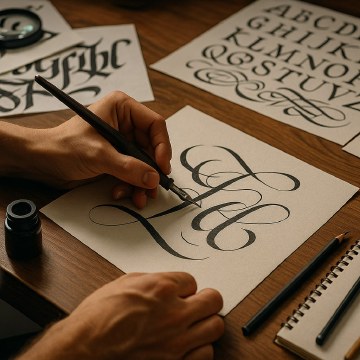
Knitting, pottery, cooking, gardening — all these involve repetition and tactile feedback.
They train patience and rhythm, both essential to layout design and typography.
Hidden gem: A 1980s study by design theorist Donald Schön found that “thinking through making” — physical engagement with materials — leads to more innovative solutions than purely cognitive problem-solving.
Not all inspiration comes from the new.
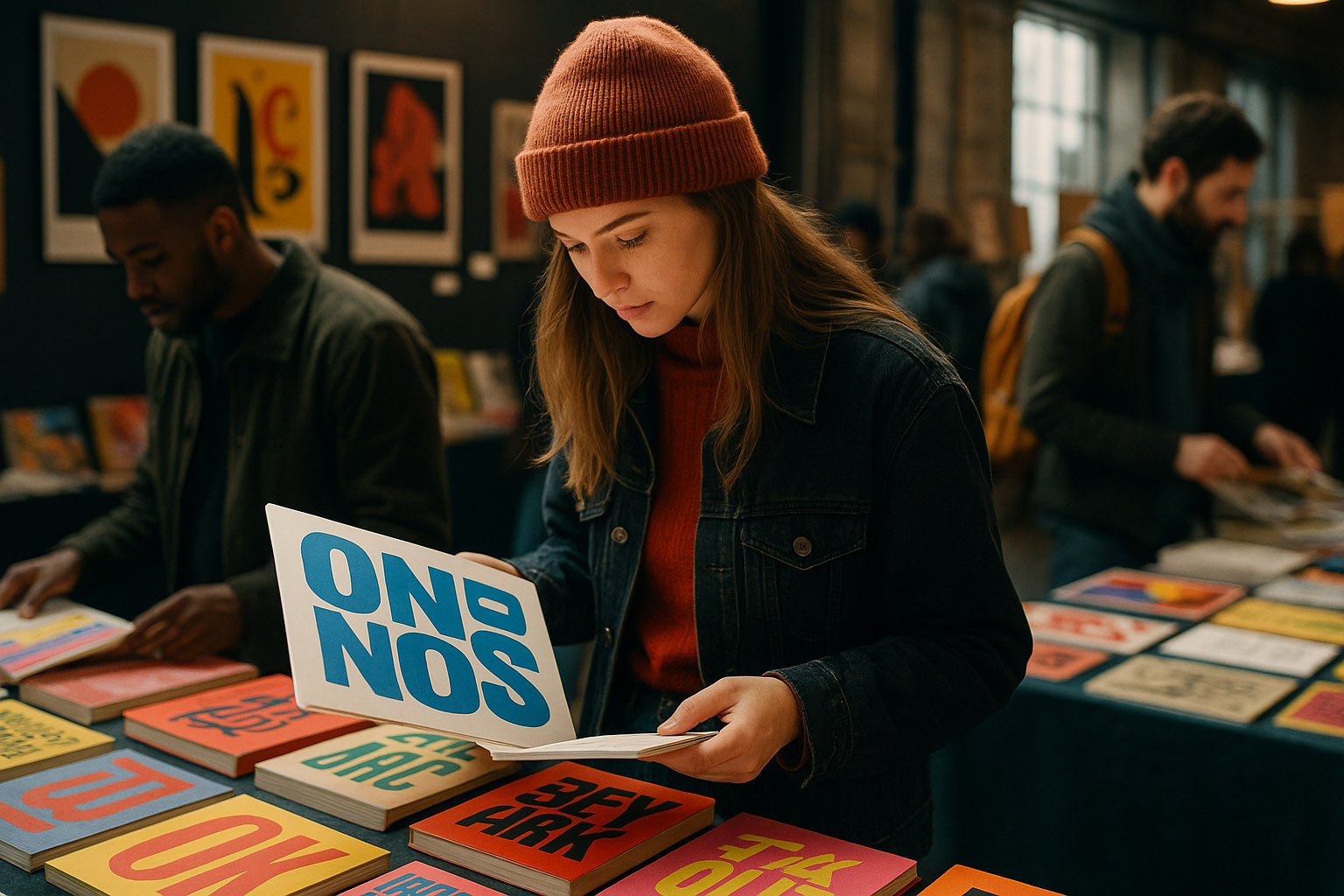
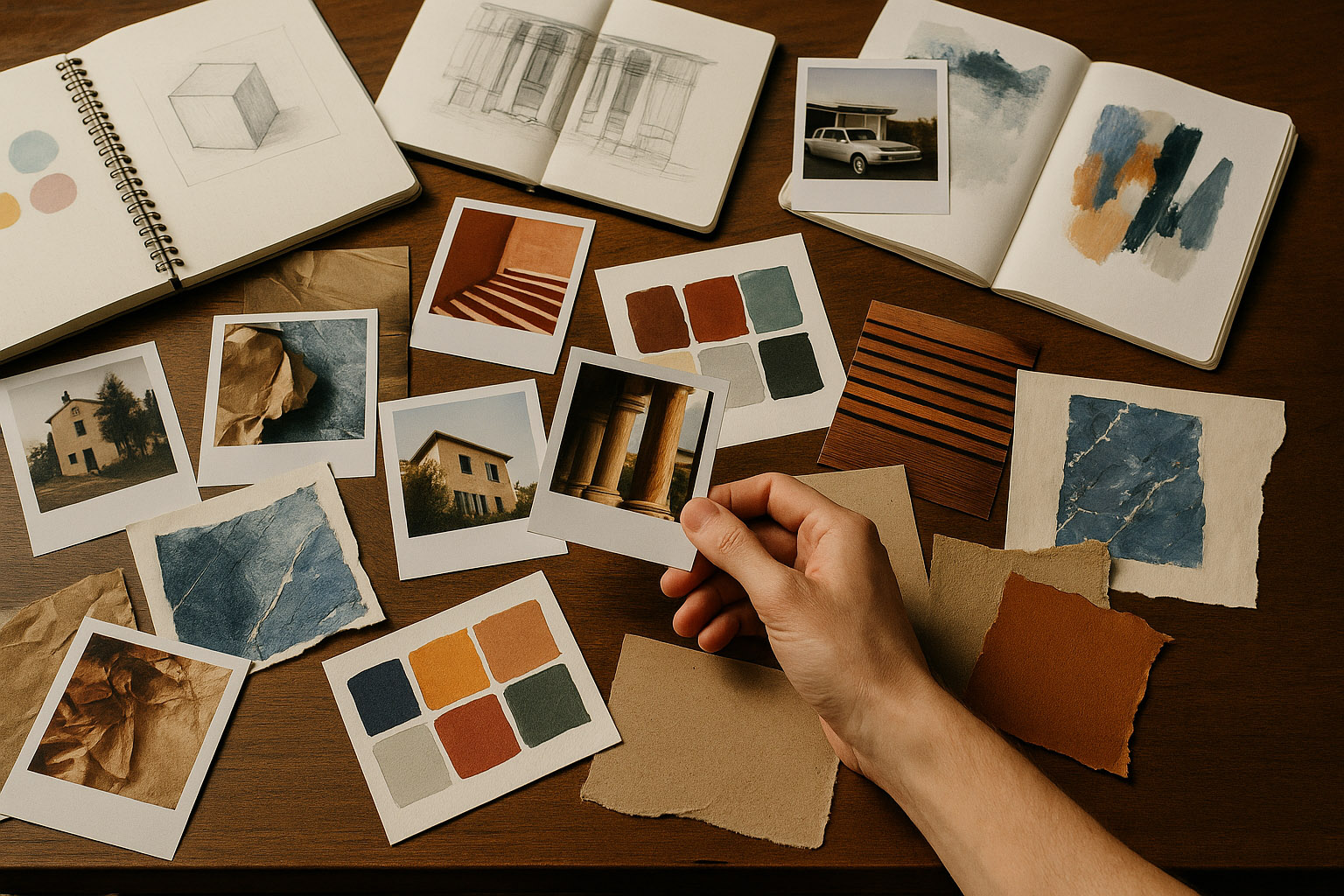
Many designers maintain private “inspiration archives” — folders, notebooks, even boxes filled with torn pages, textures, colors, or paper fragments.
They act like personal museums, reminders of what moved them once.
In the digital era, tools like Milanote, Pinterest, and Are.na have replaced sketchbooks — but the principle is the same.
“Inspiration doesn’t appear. It accumulates.”
Designers often find their spark in non-design activities:
Unknown insight: In Japan, some design agencies encourage staff to take “slow mornings” — time to read, walk, or visit markets before arriving at work. Their productivity increased after adopting the ritual.

Ironically, while we have infinite inspiration online, the overload can dull creativity.
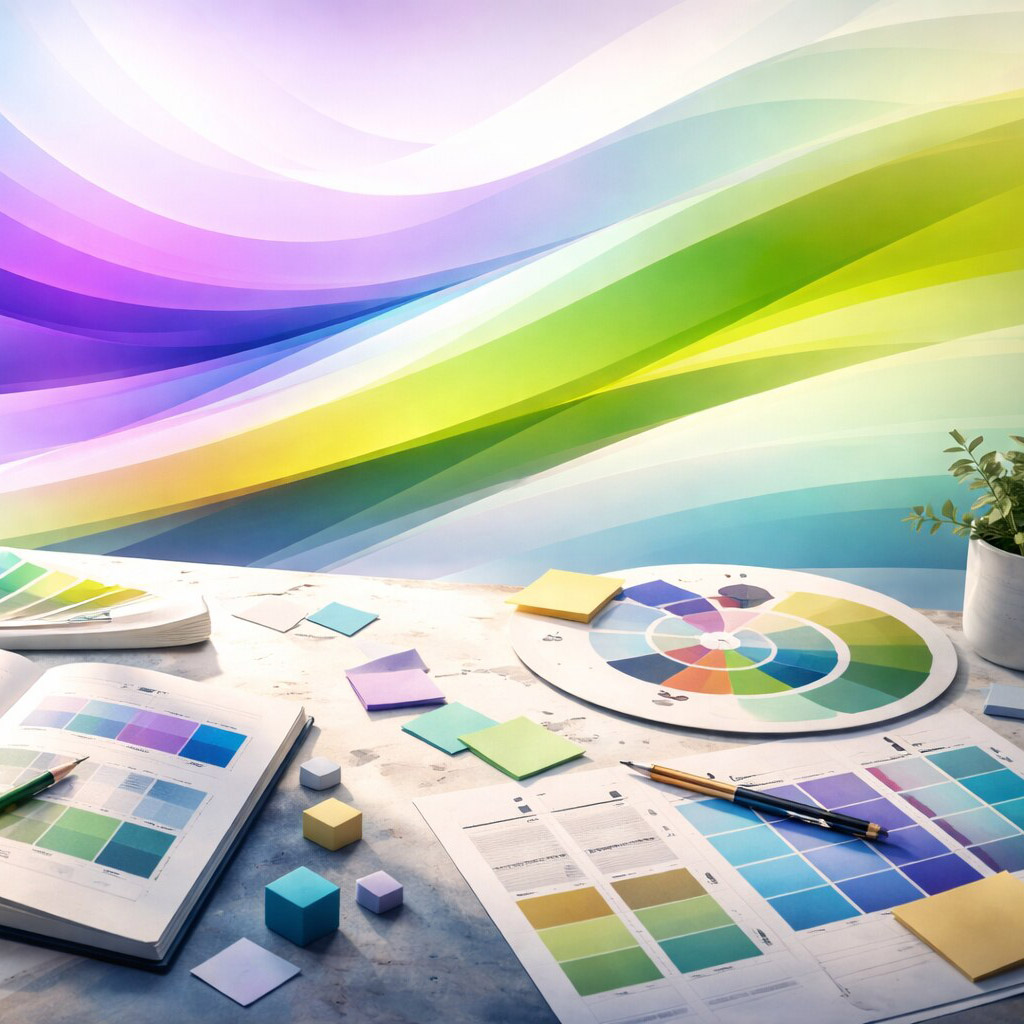
Scrolling Dribbble or Behance often results in visual homogenization — the same color palettes, gradients, and sans-serif typefaces.
True inspiration requires input diversity.
Designers who deliberately consume content from other disciplines — architecture, cinema, biology, psychology — consistently produce more original work.

Design inspiration isn’t a lightning strike. It’s a daily rhythm — part observation, part curiosity, part rest.
It happens in quiet moments, not brainstorms.
In laughter, not pressure.
So, if you want better ideas:
“Because sometimes, the best creative tool you can use — is your own life.”

News, insights, case studies, and more from the rausr team — straight to your inbox.
Send us your brief, your wildest idea, or just a hello. We’ll season it with curiosity and serve back something fresh, cooked with care.