In brief
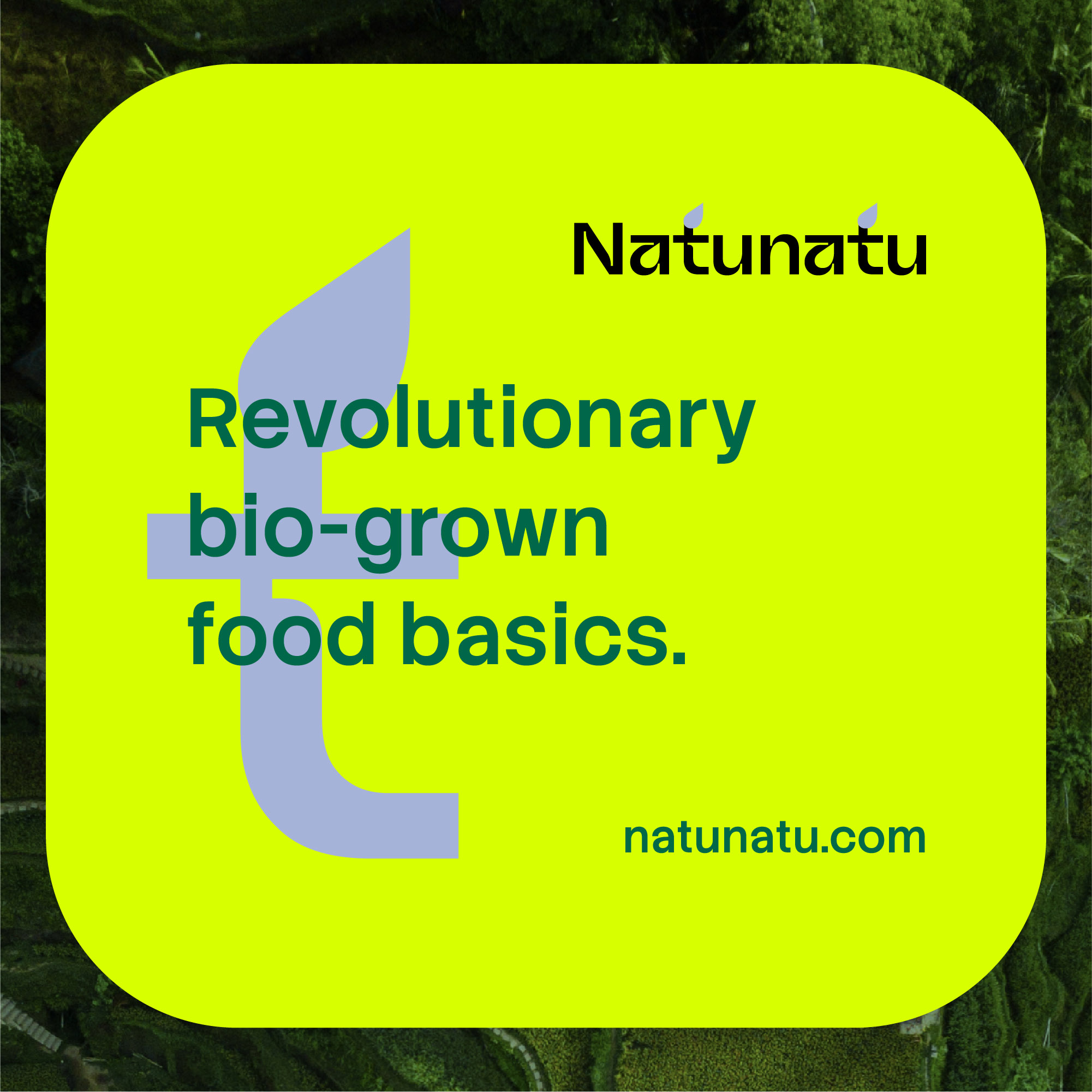
Environmental campaigns connect a specific audience, place, and action. Their visual system must make the message understandable without turning an unsupported green claim into decoration.

Common tools
- Adobe Illustrator
- Adobe InDesign
- Adobe Photoshop
Skills in play
- Research
- Concept development
- Spatial reasoning
- Accessibility
What it is
An environmental campaign is a planned set of messages and visual encounters intended to inform or change a behaviour related to the environment. In a physical place, it may appear on signs, temporary displays, public transport, packaging returns, or a community event. The graphic system works when people understand the issue, recognise the action available to them, and know where to take it.
The task is more specific than making a design look “green.” A leaf, earth tone, or recycled-looking paper cannot establish that a claim is true. The US Federal Trade Commission’s Green Guides caution against broad, unqualified claims such as “eco-friendly” and call for specific, substantiated qualifications. Other markets have their own rules. Treat this as a reason to verify claims with the organisation and its advisers, not as a shortcut to legal approval.
Define the action and the place
Write one sentence describing what the audience should know or do. “Use this refill point” is a different design problem from “understand why this water source is protected.” Identify where the person will meet the message, how long they can look, and what they can do next. A street-level poster may need one memorable idea and a clear destination; a display beside a collection point can explain several steps.
Build a claim inventory
List every factual statement, comparison, quantity, symbol, and certification that might appear. Attach its source, date, scope, and owner. Ask what the evidence does and does not prove. If a numerical claim applies only to one product line or period, its visual prominence must not imply a wider result. Keep important qualifications close to the claim rather than hiding them in a distant footnote.
Separate facts from invitations. A simple action message can be persuasive without overstating an environmental benefit. The fundraising and public-awareness campaigns guide addresses wider advocacy planning; this guide focuses on how an environmental message is encountered in space.
Design a route through the message
Build a hierarchy from first glance to detail: issue or invitation, immediate action, reason, and practical next step. Test the order with people who did not write the brief. Use symbols only when they are familiar to the audience or supported by words. WHO’s visual-communication guidance recommends images to clarify sequences and relationships; the image still needs a clear point rather than decorative complexity.
Connect physical and digital touchpoints
The same core message might appear on a large panel, a handout, a social card, and a landing page. Adapt the composition to each size instead of shrinking one poster. A QR code can extend the story but should not be the only path to essential information. On-site instructions must work for someone with no phone, poor connectivity, or little time.
The signage systems guide helps when visitors need to locate an action point. Temporary installations helps when the campaign occupies a place for a limited time.
Plan the physical footprint
Choose materials, quantities, transport, power, maintenance, and removal with the production team. A campaign advocating resource care can undermine its message if the installation is difficult to reuse or dispose of responsibly. Avoid claiming a material is sustainable without considering its actual supply chain and afterlife. Document what can be reused, repaired, or recycled in the location where the campaign runs.
Prototype at real scale. Check visibility in changing light, approach from multiple directions, reading distance, and access for people with different mobility or sight. Test whether the message remains understandable when a panel is partly blocked or a QR code fails. After launch, evaluate comprehension and action with evidence the organisation can actually collect, rather than treating attention alone as impact.
Practical checks
- Is the requested action concrete and possible at the point of encounter?
- Does each environmental claim have evidence and an appropriate scope?
- Can someone understand the main message without scanning a code?
- Have materials, maintenance, and removal been planned?
- Can the team correct or withdraw a claim if the evidence changes?
Common mistake
Using nature imagery as proof of an environmental benefit when the campaign has not established what the benefit is or how it was measured.
People and practice