In brief
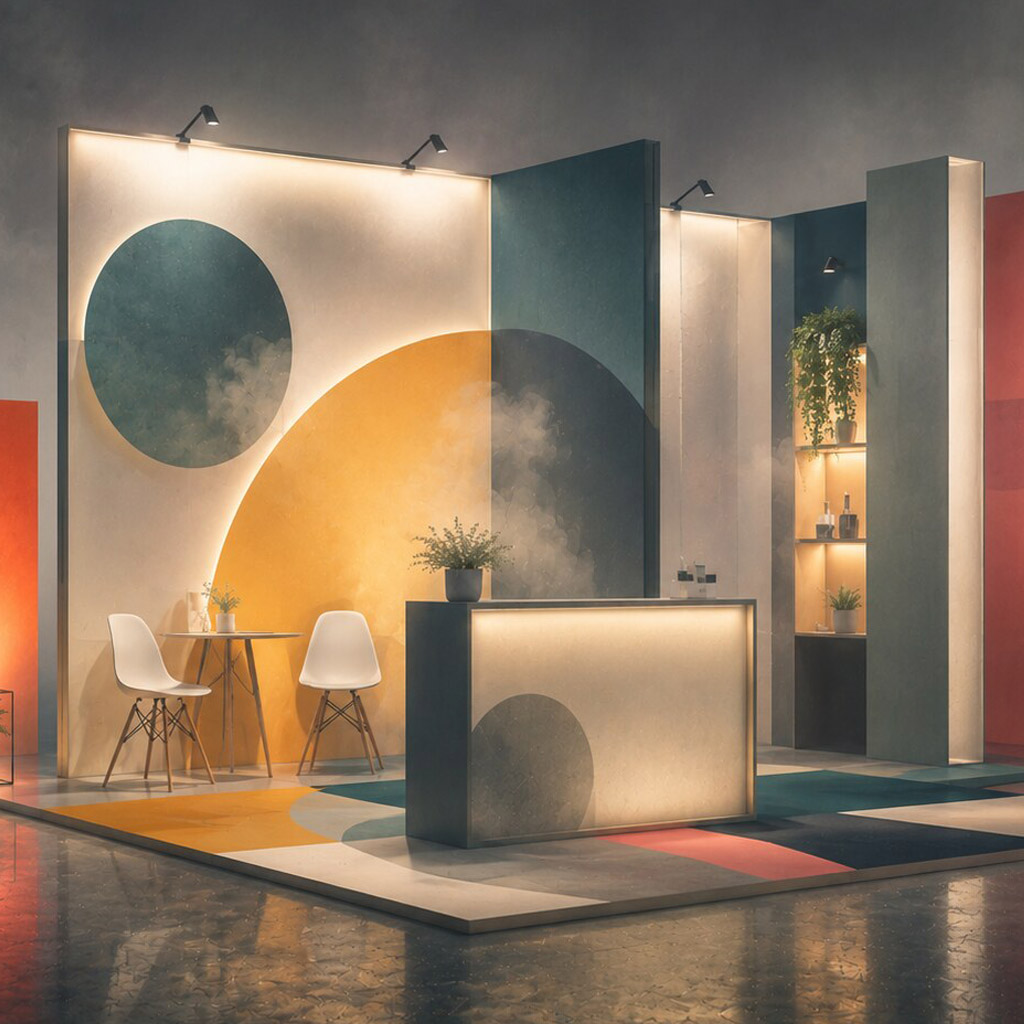
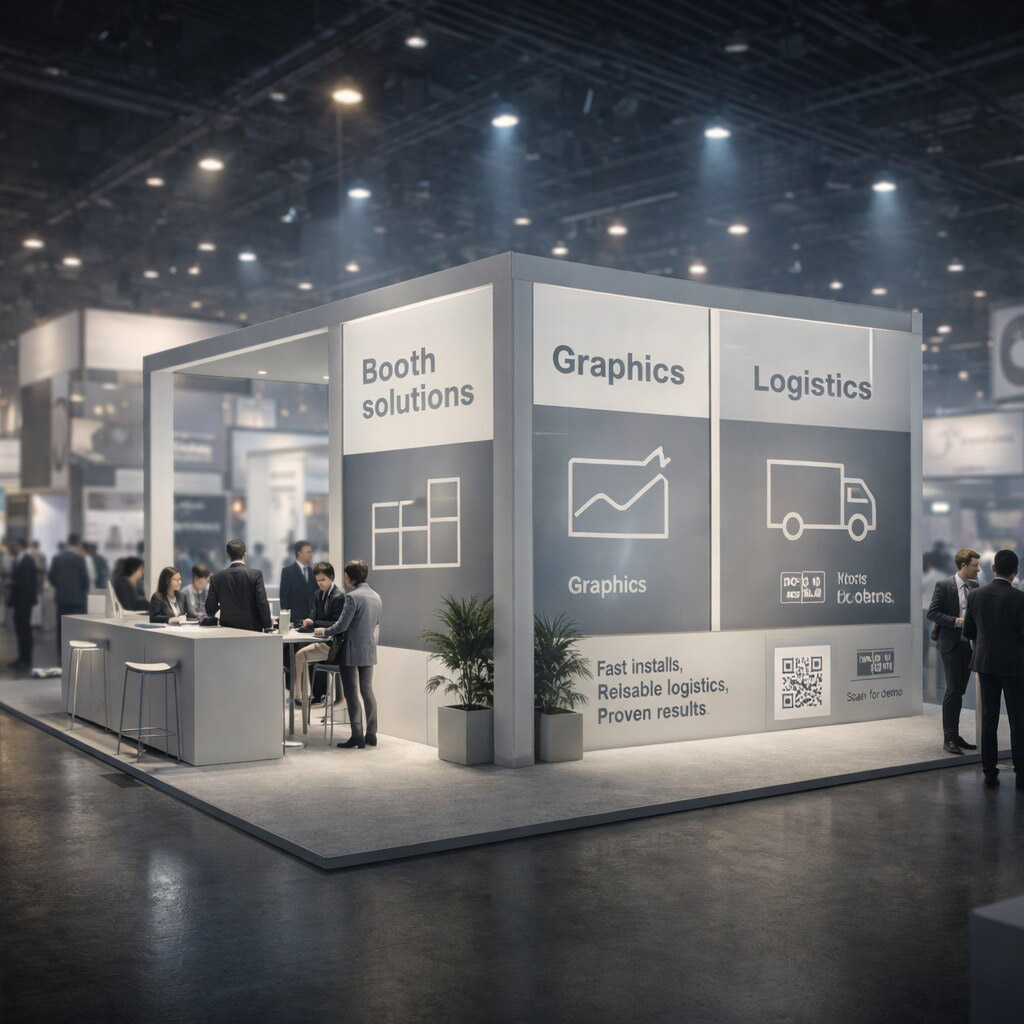
A temporary installation uses graphics and physical form for an event, exhibition, pop-up, or public message with a fixed lifespan. Its design must account for the site, build, use, and removal.
Common tools
- Adobe Illustrator
- SketchUp
- Adobe InDesign
Skills in play
- Spatial reasoning
- Technical accuracy
- Accessibility
What it is
A temporary installation is a designed physical experience that exists for a limited period. It may be a pop-up display, festival structure, exhibition intervention, street-level campaign, or event information point. The graphic design can be large and memorable, but it also has to work as a place people enter, pass, read, touch, or leave. The project includes installation and removal, not only the opening photograph.
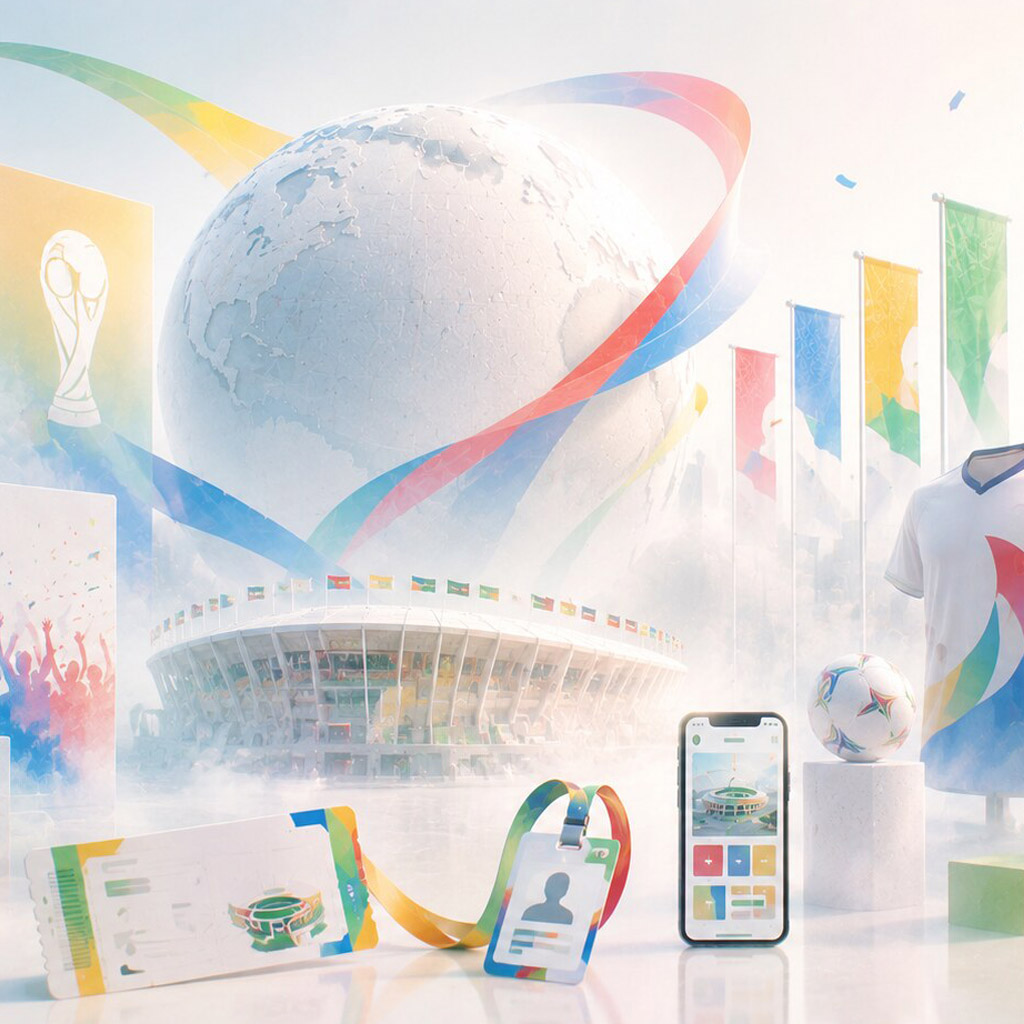
Short lifespan changes the constraints. The team may have little access time, limited storage, a borrowed venue, and material that needs to be reused or repaired. A successful design makes its message clear within those conditions. SEGD’s X Exhibition is one example of an identity extended into dimensional, budget-aware exhibition elements rather than applied as flat decoration.
Read the site and the brief together
Walk the space at the time of day it will be used. Record approaches, sightlines, light, sound, floor level, existing signs, power, weather exposure, and how crowds move. Ask the venue what can be attached, drilled, suspended, or placed on the floor. Record delivery access and the time allowed for setup and removal. A render cannot reveal an entrance hidden by a queue or a panel that blocks a service route.
Give each zone a job
Map arrival, orientation, main message, interaction, and exit. Decide where a visitor should notice the installation and where they need detail. A single high-impact graphic can introduce the idea; smaller panels can explain it at reading distance. Wayfinding should stay consistent with the event’s names and directions. Do not make visitors rely on the artwork to discover an essential exit or service.
Use prototypes at real size. Tape an outline on site, stand at likely viewing points, and test copy from those distances. Check whether people can understand the purpose without a staff explanation. Where the experience is interactive, show the action and feedback clearly.
Design for assembly and access
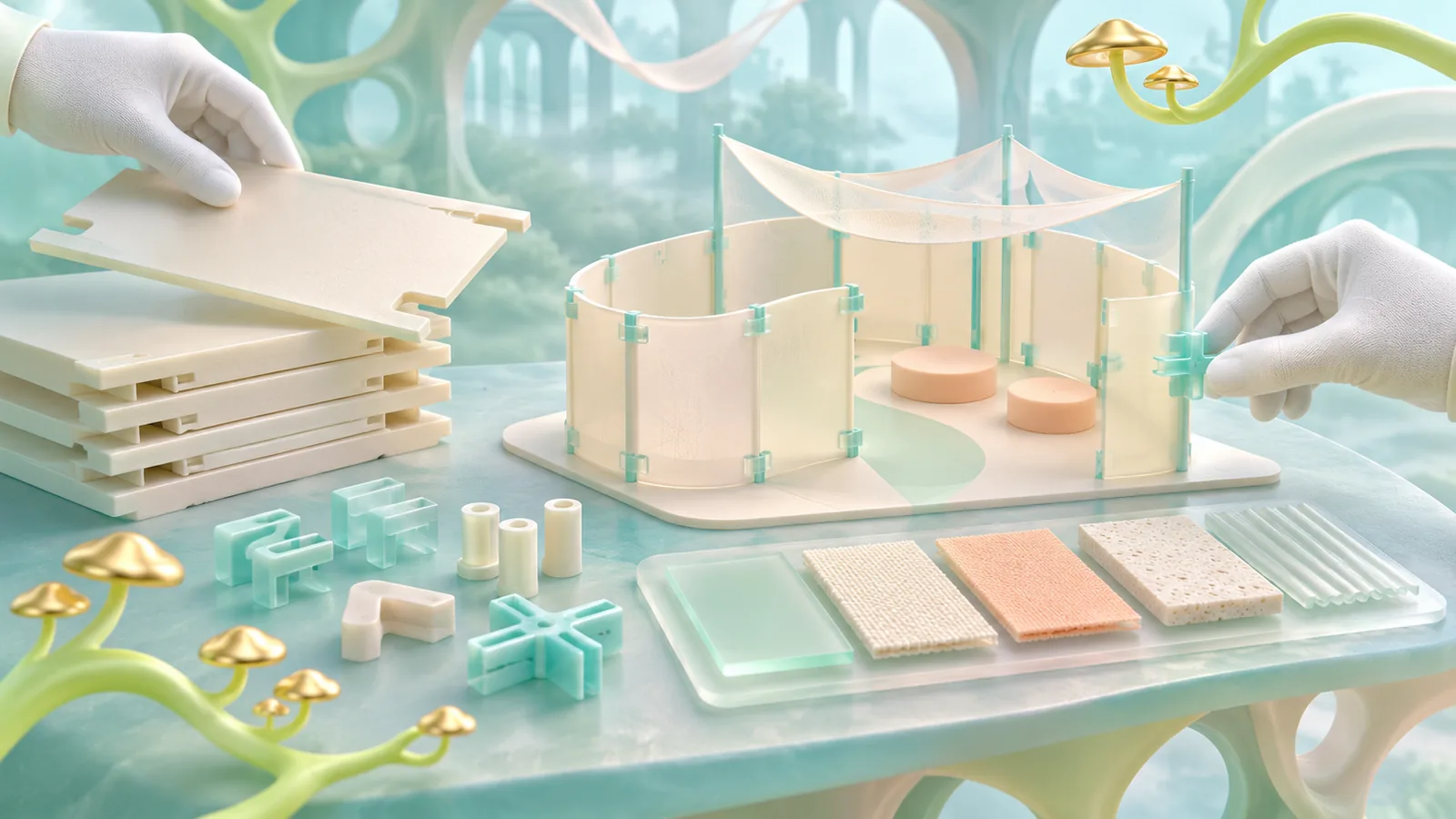
Break the installation into parts that can be transported, identified, and assembled in the available time. Document the order of installation, fixings, cable routes, tolerances, and who signs off each stage. Use a fabricator or qualified site team to check structural and electrical decisions. Keep a replacement file for elements likely to be damaged or changed during the run.
Smithsonian exhibition guidance is a useful reminder that graphics, objects, and circulation must be accessible together. Keep readable information in a reachable position, avoid creating floor hazards, and provide important content through more than one sensory route. The venue and responsible professionals must confirm the applicable safety and accessibility requirements for the actual site.
Plan removal while designing
Choose materials and fixings with the end of the event in mind. Can panels be reused, stored flat, or separated for recycling? Will removing the work damage a borrowed wall? Label modules for the next installation rather than discarding the knowledge with the build. A lighter material is not automatically a better choice if it fails during use or cannot be recovered afterward.
Review the experience during the run
Visit while people are present. Watch whether they enter, read, understand, and move on as intended. Ask staff what they repeatedly explain and where the setup needs adjustment. Fix misleading or inaccessible information promptly. At close, record damage, assembly time, and what can be reused so the next temporary project starts with evidence.
Practical checks
- Has the concept been tested from the actual approach and reading distances?
- Are transport, installation, access, and removal documented?
- Can visitors understand the message without relying on staff or one sensory channel?
- Are site-specific structural and safety decisions checked by the responsible people?
Common mistake
Treating a temporary installation as a large poster. The graphic is experienced through a real route and a real build schedule.
People and practice