In brief
Personal branding makes a person's practice easier to recognise and understand. It connects positioning, proof, voice, and visual choices without turning a career into a fixed persona.

Common tools
- Figma
- Adobe Illustrator
- Browser tools
Skills in play
- Research
- Concept development
- Visual storytelling
What it is
Personal branding is the deliberate way a person presents their work, point of view, and professional role. For a designer, it includes a portfolio, short biography, project descriptions, contact details, presentation materials, and a consistent visual and verbal tone. Its purpose is to help another person understand what kind of work you do and whether you are a good fit for a particular problem.
It is not a promise that every project will look alike. A strong personal identity can be quiet while the work remains varied. The most persuasive part is usually evidence: clear projects, honest credits, and an explanation of decisions. A logo alone cannot tell a client whether you can solve their problem.
Define the practice you can actually show
Start with the work and the people you want to reach. List the types of problems you have solved, the part you played, the industries you understand, and the work you want more of. Then compare this with what your portfolio currently proves. A claim such as “strategic brand designer” needs more than a row of polished marks; show the brief, choices, system, and application.
You do not need a narrow specialty at the start of a career. It is more useful to describe your current strengths precisely than to invent a permanent label. A student, freelancer, and studio founder may each need different introductions. Write one short sentence that a potential collaborator can repeat accurately, then test whether your selected projects support it.
Choose projects by relevance, not only by beauty
Build a small selection that reflects the work you want to discuss. For each case, state the situation, your role, constraints, key decisions, and the resulting artefacts. Distinguish your contribution from that of collaborators. If the outcome was not measured, describe what was made and learned instead of inventing a success figure.
AIGA’s portfolio guidance asks designers to consider the role and the audience for the presentation. That is a useful test of brand positioning: the portfolio should answer a visitor’s question, not simply display everything you have ever created. Keep older work only when it still explains something important about your practice.
Design an identity that supports the work
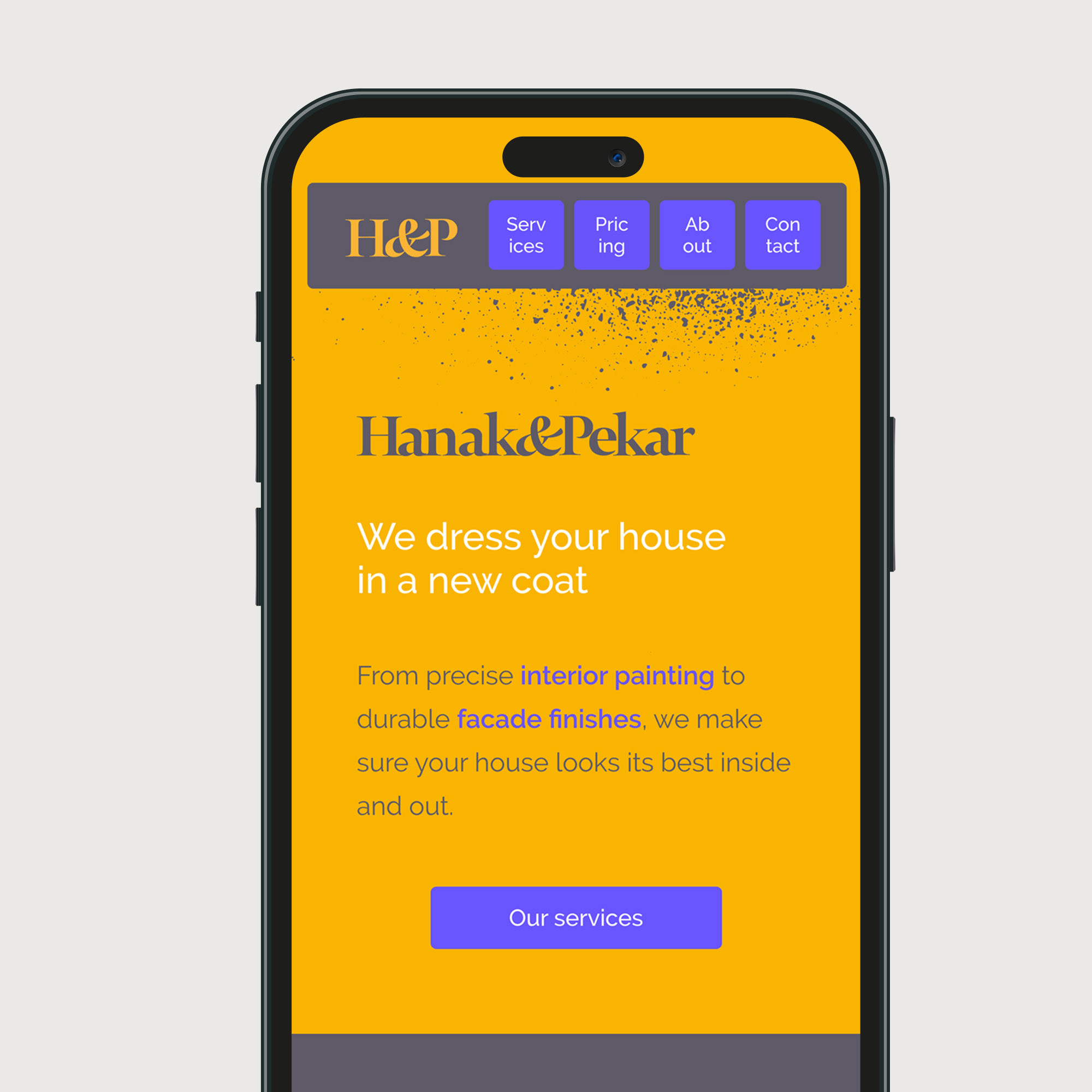
Choose a type system, colour relationship, layout rhythm, and image treatment that make projects easy to read. Your own name, role, and contact route should be unmistakable. A distinctive device can help recognition, but a complex animation or decorative layout should not delay access to the work. The identity should be flexible enough to handle a long case study, a short email signature, and a one-page introduction.
Make the voice recognizable and useful
Write as you speak professionally. Explain design decisions in ordinary language and avoid describing every project as “bold,” “innovative,” or “timeless.” Be specific about the audience, challenge, and trade-offs. A designer’s personality can emerge through choice of examples and honest observations rather than forced slogans.
Check the whole visual identity system across website, PDF, social profile, invoice, proposal, and presentations. Consistency does not require identical compositions. It requires enough shared cues that the same person is recognisable wherever an introduction happens.
Keep it accessible and current
Make project pages readable on a phone and navigable by keyboard. Use descriptive headings, useful image alternatives, visible links, and a clear contact method. A client should not have to decode a clever interaction to find an email address. Check how the portfolio appears when images fail to load or a case study is shared directly rather than reached through the home page.
Review the identity when the work changes. A new specialty, collaboration model, or location may require different wording or examples. Keep a short list of facts to update across channels and remove projects that no longer represent your work. A personal brand is maintained evidence, not a costume you must keep wearing forever.
Practical checks
- Can a new visitor explain what you do after viewing the first screen and one case study?
- Are project roles, collaborators, and outcomes described accurately?
- Is there a clear route to contact you on every relevant page?
- Does the system work for short introductions and detailed project stories?
- Can you update the portfolio without redesigning the entire identity?
Common mistake
Designing the self-promotion before deciding what the work demonstrates. Start with credible projects and the audience’s questions; then give that evidence a clear, memorable frame.
People and practice