In brief
A rebrand is a managed change in how an organisation is recognised. It starts with evidence about what works now, then connects strategy, design, rollout, and measurement.

Common tools
- Figma
- Adobe Illustrator
- Spreadsheet
Skills in play
- Research
- Systems thinking
- User testing
What it is
Rebranding changes the way an organisation is understood and recognised. Sometimes that means a new position and a new visual identity system. Sometimes the right decision is a smaller evolution: repair an inconsistent type system, simplify a product relationship, or make the current identity usable on screens. A logo change is only one possible output.
The difficult question is what to keep. Existing recognition has value even when parts of the system feel dated to the team. A successful change preserves the cues people already use, removes the parts that mislead or obstruct, and gives the organisation room to grow. The larger the audience and the number of touchpoints, the more carefully that continuity needs to be managed.
Diagnose the real problem
Start with an audit of the brand as people actually encounter it. Collect the website, products, packaging, emails, social posts, service documents, signage, and customer support language. Mark where the identity is inconsistent, where it is simply flexible, and where its promise no longer matches the experience. Interview staff who create communications and people who use or buy the service.
Separate a brand problem from a communications problem. Low awareness may come from poor distribution; confusing navigation may need an interface fix; a weak product promise may need strategy work. Changing colours will not repair all three. Write a short diagnosis naming the audience, the evidence, and the consequences of doing nothing.
Decide what must remain recognisable
Identify the strongest memory cues: name, silhouette, colour relationship, typographic voice, tone, product language, or a familiar way of presenting information. Test which ones people can recognise without prompting. A feature loved internally may be invisible to customers, while an unglamorous detail may be what helps them find the right product.
Map the risks of removing each cue. A gentle evolution can preserve more equity than a dramatic break; a fundamentally misleading identity may need a more decisive change. Neither option is automatically brave or cautious. Judge it against the research, the desired position, and the cost of transition.
Define the new system before the reveal
Set the brand strategy and positioning first: what should the organisation stand for, who must understand it, and how will its behaviour substantiate the claim? Develop several genuinely different design routes, each with a rationale and likely failure modes. Compare routes in real applications, not only side-by-side logo slides.
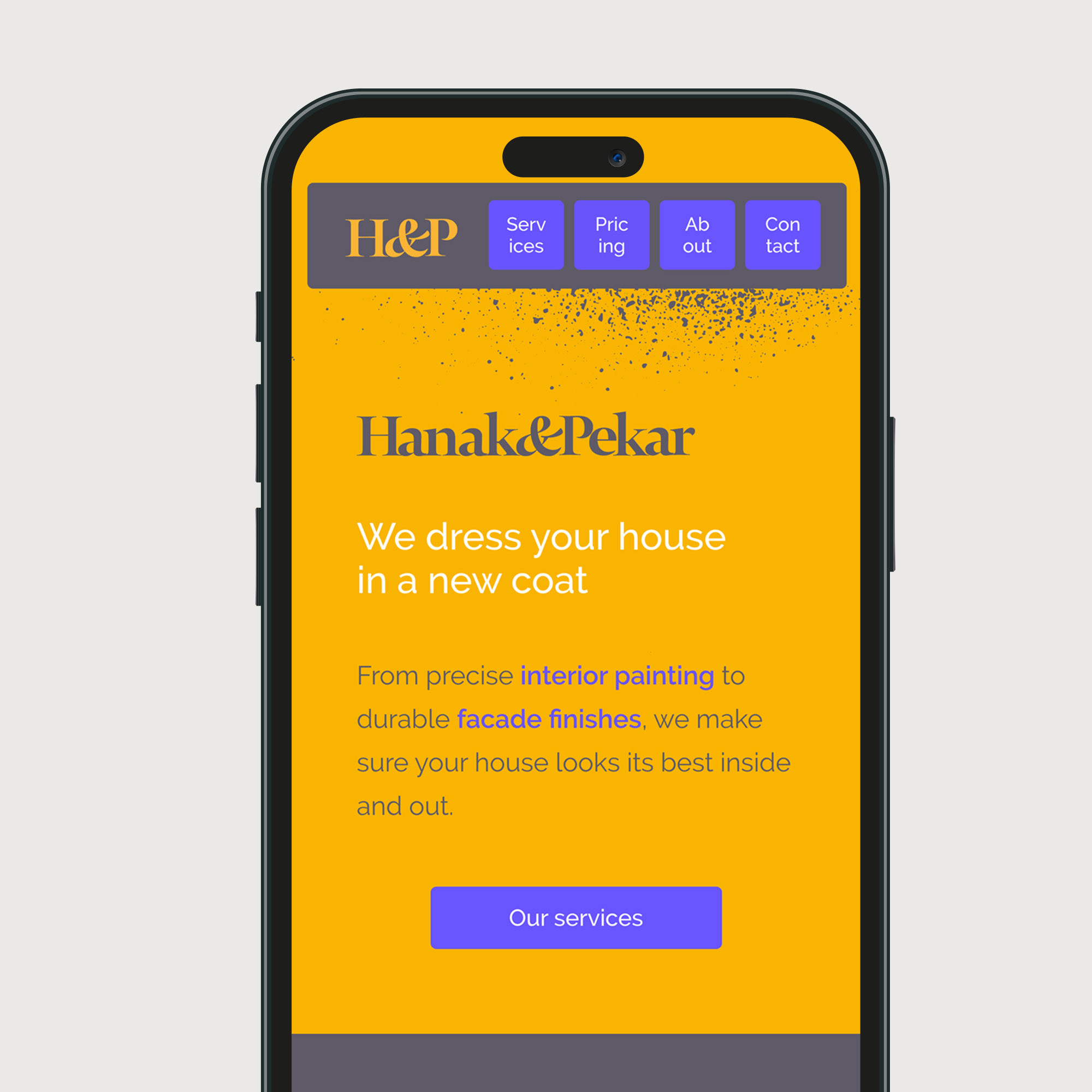
Test the hardest cases early: a compact mobile header, a long product name, a co-branded document, a low-cost print job, and a sign in difficult light. A custom lettering style, for example, may be distinctive in a title but still require a dependable body typeface and fallback. Colour and type rules should make the identity readable and maintainable beyond the launch campaign.
Review meaning as well as appearance
Show unfinished work to people unfamiliar with the internal brief. Ask what they think the organisation does, what has changed, and what they still recognise. Give them the old and new materials in natural context rather than coaching them through a rationale. Check whether the new visual language unintentionally suggests a different price, audience, or level of trust.
Keep an evidence log. Record which findings led to a change, which are design judgement, and which remain assumptions to test after launch. This makes later adjustments more honest than defending every early choice as a principle.
Plan the rollout as a user journey
List every owned and third-party touchpoint. Decide what changes on launch day, what can transition later, and where old and new versions will coexist. Prioritise places where inconsistency creates doubt: the main website, transactional emails, product labels, support documents, and public signs. Provide staff and partners with current assets and a clear date for retiring old ones.
Explain the change in plain language. People may need to know whether a familiar service has a new name, whether a product changed, or whether only the presentation changed. A launch story can celebrate the design, but it must not leave users guessing about practical consequences. Version the brand guidelines and appoint an owner for future additions.
Measure and refine
Look beyond applause for the reveal. Track whether people still find the right service, recognise the organisation, understand the offer, and trust the new materials. Compare feedback and behaviour with the pre-launch baseline. Correct confusing applications promptly without abandoning the whole system at the first negative comment.
Practical checks
- Can the team state the problem the rebrand solves without mentioning visual taste?
- Which existing cues are worth preserving, and what evidence supports that choice?
- Have the new rules been tested in difficult real formats and with real copy?
- Is there a clear plan for old and new materials to coexist during rollout?
Common mistake
Treating the launch image as the finished project. A brand is judged in routine interactions after the announcement. Design the system, ownership, and transition with the same care as the reveal.
People and practice