In brief
Advertising illustration gives a campaign a visual world that photography may not provide. It works best when the idea, rights, and adaptations are designed together.

Common tools
- Adobe Illustrator
- Adobe Photoshop
- Figma
Skills in play
- Concept development
- Visual storytelling
- Systems thinking
What it is
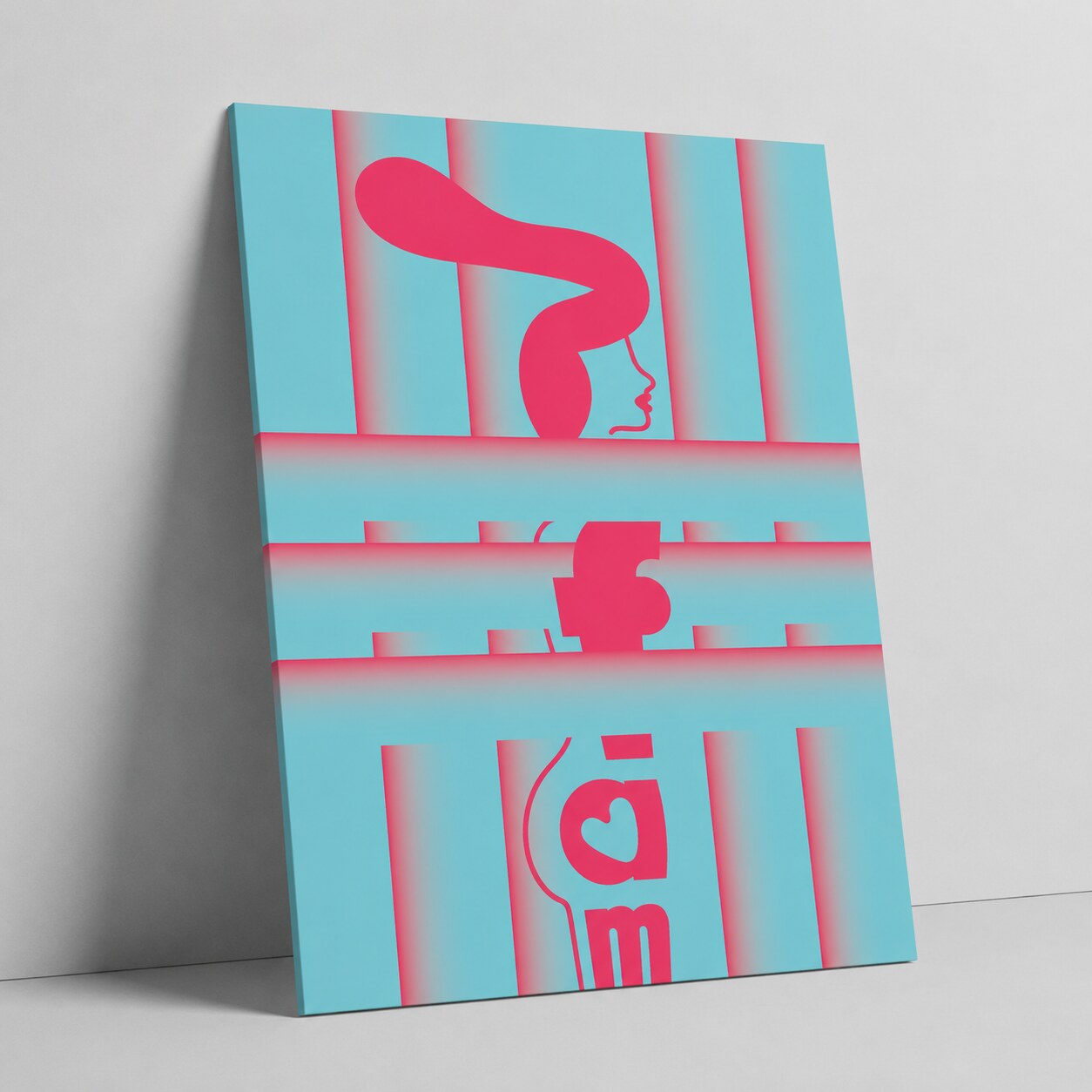
Advertising illustration is artwork created to communicate a campaign idea. It can make an invisible benefit tangible, create a distinctive world, simplify an awkward product, or tell a story that would be difficult to photograph. Its value is not that it is “more playful” than photography. It is that the chosen visual language can carry the message across the intended placements.
The illustrator’s authorship matters. A commissioned image is a collaboration among strategy, art direction, copy, and the artist’s own approach. A brief should leave room for invention while being precise about the communication problem and production reality.
Define the visual job
State the audience, message, evidence, and desired reaction. Identify what the illustration must show and what it must not imply. If the campaign makes a factual claim, the image cannot quietly contradict or exaggerate it. Determine whether the artwork is a single hero image, a series, a character-led system, or a set of modular assets.
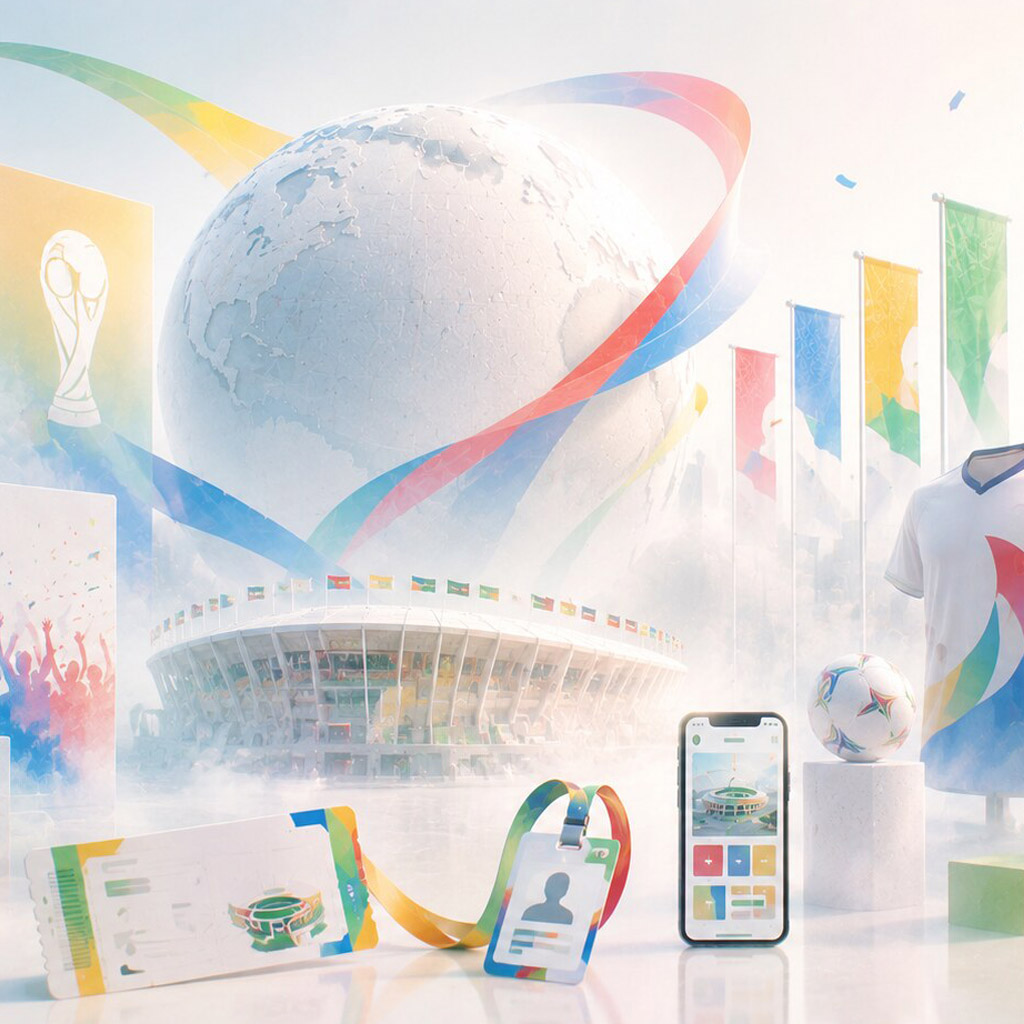
Audit placements before commissioning. A landscape scene may need to become a square social card, tall poster, small banner, or moving sequence. Decide where copy and brand marks will sit, what must remain visible after cropping, and whether separate compositions are needed. “We will crop it later” is not a reliable art-direction plan.
Commission with useful constraints
Choose a partner for the problem
Review illustrators for conceptual thinking, narrative range, technical fit, and consistency—not only a fashionable surface style. Share the brief, rough content, reference context, dimensions, schedule, feedback stages, and decision-makers. Explain which references show mood or composition and which should not be copied. Agree how many routes and revisions are included.
Licensing is part of the brief. Define media, territory, duration, exclusivity, adaptation rights, and whether animation or merchandise is anticipated. The precise agreement belongs with the commissioner and rights specialists. Do not assume that paying for one illustration grants every future use or unrestricted alteration.
Direct the idea, not every brushstroke
Review rough concepts against the message before asking for polish. Look for a clear focal point, an original relationship between image and copy, and enough visual space for the campaign hierarchy. Give feedback in terms of the problem: “the product benefit is hard to notice at mobile size” is more useful than “make it pop.”
Test the work with real headline lengths and in the smallest placement. A detailed scene can be wonderful on a poster and indecipherable as a thumbnail. If a series is planned, check that the visual grammar survives new subjects without repeating the same composition endlessly.
Production, ethics, and handoff
Specify final dimensions, colour profiles, layered files where agreed, transparent assets, and any motion-ready separations. Proof the work on actual outputs. Assess cultural references, stereotypes, accessibility, and whether the artwork accidentally suggests a product claim that cannot be supported. Coordinate these reviews before the final art stage.
Deliver approved exports with rights and credit information, source files as agreed, cropping guidance, and a list of permitted adaptations. Keep a record of which asset is approved for each channel. A coherent illustrated campaign depends on both creative care and responsible reuse.
Common mistake
Commissioning a beautiful single image without defining the campaign system or usage rights. It may win the first presentation and then fail the second placement. Plan the family of uses early so the illustrator can build a world that travels.
People and practice