In brief
Character design turns a narrative or communication role into a repeatable visual person or creature. The design must be recognisable, expressive, and practical to reproduce in the contexts where it will appear.
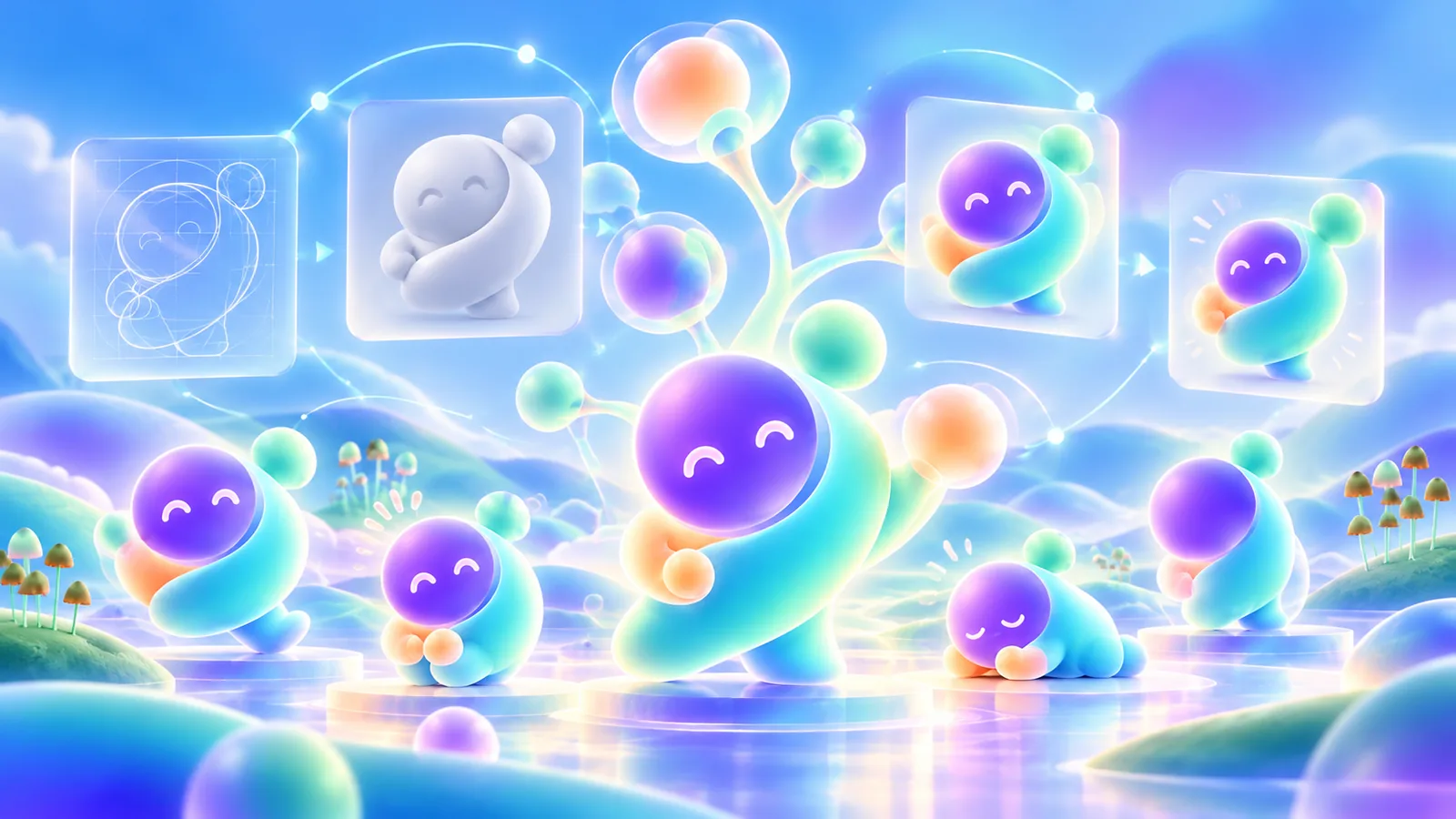
Common tools
- Adobe Illustrator
- Adobe Photoshop
- Adobe After Effects
Skills in play
- Concept development
- Visual storytelling
- Systems thinking
What it is
A character is a recurring visual actor. It may carry a story, help explain a service, give a product a memorable presence, or connect a series of illustrations. Character design is more than drawing one appealing pose. It defines how the character looks, moves, expresses emotion, and remains recognisable when different artists or formats are involved.
The role comes first. A friendly guide for a public service, a playful product mascot, and a character for a dramatic story have different responsibilities. A distinctive face is useful only if the character’s behaviour and context support the intended message. Do not assume that making a brand “more human” requires giving it a cartoon face.
Write a character brief
Define the audience, setting, personality, role, and constraints. What does the character help people understand or feel? What actions will it perform? Where will it appear: a small app icon, an editorial spread, a package, an animation, or a physical installation? Note cultural and category expectations without treating stereotypes as shortcuts to recognition.
List the essential qualities and the contradictions that make the character interesting. “Curious but careful” gives more design direction than “fun.” Translate those qualities into observable choices: posture, pace, proportion, expression, and relationship to other characters or objects. Keep a clear boundary between story traits and visual traits so that a costume detail is not asked to carry the entire personality.
Explore form before detail
Test the silhouette
Sketch many small, quick shapes before refining one. Vary the body proportion, head shape, gesture, and negative space. A strong silhouette can be recognised without colour or facial detail. Adobe’s character-design workshop describes thumbnailing silhouettes as an efficient early exploration method; the broader principle is to settle the major form before polishing texture.
Check the design at its smallest use. Tiny accessories, intricate patterns, and subtle colour shifts may disappear. At larger size, add detail only where it supports identity or expression. Avoid copying an existing famous character’s proportions, costume, or signature features as a shortcut to familiarity.
Build an expression and pose range
Draw the character from several angles and in actions it will actually need. Test neutral, happy, uncertain, focused, and other relevant states. The design should stretch into expression without becoming a different character. Consider how clothing, props, and markings behave when the figure turns or moves.
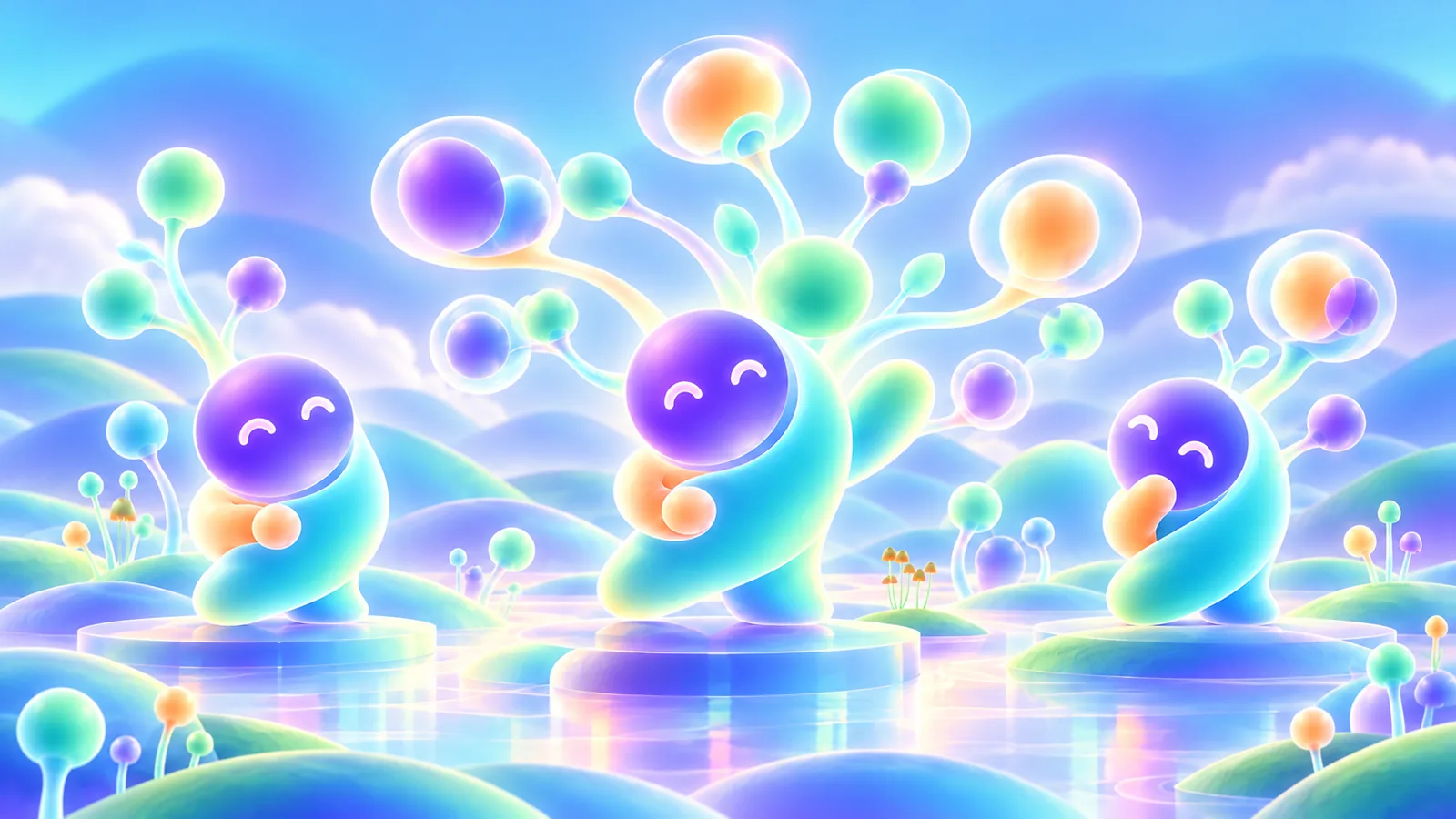
If a cast is required, vary silhouettes and personalities while keeping shared world rules. Not every character should use the same face with a different colour. Think about scale, interaction, and how the characters read together in one frame. Iconography offers a useful comparison: a family can share visual grammar while each member has a distinct meaning.
Design for production
Create a reference sheet with proportions, key poses, colour values, expression rules, forbidden distortions, and examples of difficult views. Specify which elements are fixed and which can adapt. A static illustration may tolerate details that are costly to animate or reproduce; discuss those constraints before final approval. Motion identity can help define recurring movement if the character will appear in time-based media.
Provide practical files for the intended media, with layers and naming that support revision. A character used across print, screen, and merchandise may need different construction or export versions. Test on the actual background colours, at realistic size, and beside real typography. A perfect isolated drawing can lose its character when placed in a busy layout.
Agree commissioning, usage, and adaptation terms with the illustrator or rights holder. If multiple teams will animate, redraw, or apply the character, those uses should be explicit in the brief and agreement rather than inferred from delivery of a source file. The Association of Illustrators’ commissioning guidance provides a starting checklist.
Check meaning with people
Show the character without explaining its intended personality. Ask what people think it does, how it behaves, and whether they would trust it in the proposed context. Observe where the response differs from the brief. Some misreadings can be fixed through pose or environment; others indicate that the underlying concept needs rethinking.
Revisit the character as its applications grow. Keep successful recognition cues, but document new poses and edge cases. A durable character system makes variation possible without leaving every future illustrator to reinvent the design.
Practical checks
- Is the character’s communication role clear beyond “be memorable”?
- Is the silhouette recognisable at the smallest intended size?
- Can the character express the necessary actions and emotions consistently?
- Are production constraints and adaptation rights documented?
- Has the design been tested in real layouts and with the intended audience?
Common mistake
Approving one polished hero pose and assuming the character is complete. The system is proven when it stays recognisable and useful across ordinary poses, difficult formats, and future collaborators.
People and practice