In brief
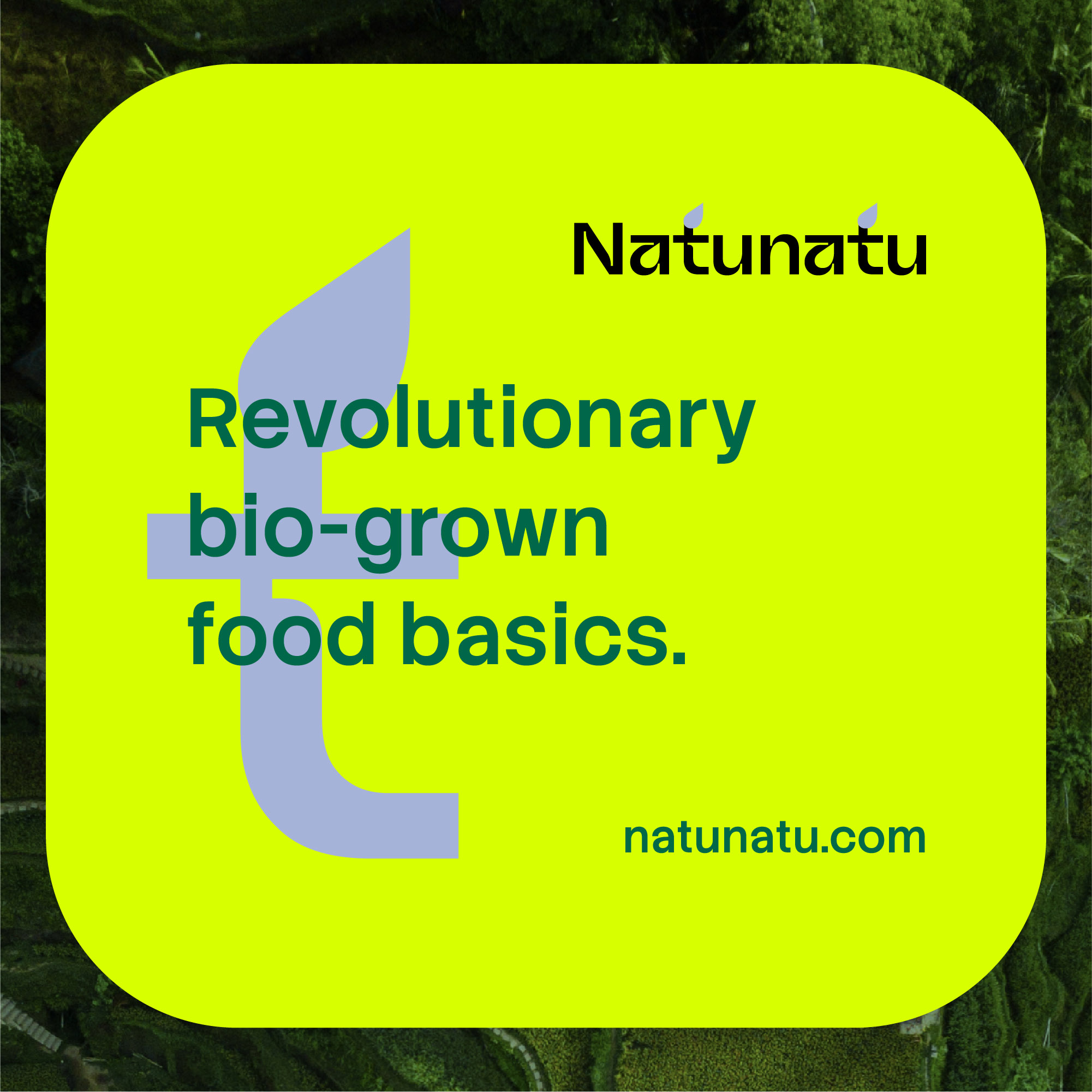
An advertising system makes one campaign recognisable across many placements without forcing every execution into an identical template.

Common tools
- Figma
- Adobe Photoshop
- Adobe Illustrator
Skills in play
- Concept development
- Systems thinking
- User testing
What it is
A campaign concept answers the strategic question: what idea will persuade or invite this audience? An advertising system answers the production question that follows: how will the idea stay recognisable and useful across a poster, a narrow social placement, a short video, a print ad, and a landing page? It connects message, imagery, typography, colour, action, and timing.
The goal is neither one rigid template nor a set of unrelated advertisements. A useful system identifies the few elements that carry recognition, then gives each format enough flexibility to do its own job.
Define the job of each placement
Start with the campaign objective, audience, evidence, and desired action. Decide what each placement can reasonably achieve. A passing outdoor view may establish the idea; a longer digital placement may explain it; a landing page may answer objections. Trying to put the full argument into every format produces crowded design and weak hierarchy.
Map the actual inventory: dimensions, aspect ratios, motion limits, safe areas, character restrictions, platform controls, accessibility requirements, and delivery dates. Include low-quality or awkward placements in the brief. They often reveal whether the system is genuinely adaptable.
Build a recognisable grammar
Select the invariants
Choose what should repeat: perhaps a distinctive headline construction, image treatment, frame, colour relationship, motion beat, or call-to-action pattern. Test recognition with the logo temporarily hidden. If every layout only belongs together because the logo is present, the system may need a stronger visual or verbal thread.
Define what may change by audience, product, offer, or campaign phase. A message matrix helps: primary claim, supporting proof, action, and required qualification. Keep legal or factual review attached to each claim so that an attractive adaptation does not accidentally overstate it.
Prototype a difficult set
Design at least one large, one small, one static, and one motion execution together. Work from real copy lengths, approved imagery, and actual crop constraints. Check a thumb-sized mobile preview and a glance-length outdoor read. Use alternative arrangements when the placement changes the reading order; do not merely scale down the master artwork.
Create an asset library with clear naming and version control. Give production teams components and rules, plus examples of strong exceptions. State who approves new copy, imagery, and markets. Without ownership, a flexible system can quickly become visual drift.
Measure and learn carefully
Agree on the signals that matter before launch: recognition, qualified visits, responses, or another outcome appropriate to the objective. Testing should compare meaningful variations, not dozens of cosmetic tweaks without a hypothesis. Record which message, placement, and audience changed, so a performance result can be interpreted rather than celebrated vaguely.
Review accessibility and delivery on the real platform. Text embedded in imagery may disappear at small sizes or be unavailable to assistive technology; provide native text or suitable alternatives where possible. Motion should make the message clearer, not hide it behind a reveal that viewers never reach.
Handoff
Supply the master idea, message matrix, format specifications, editable components, export presets, approved copy, image rights, and examples of acceptable adaptations. Include a change log and a short test plan. A system succeeds when the next placement can be designed well without rebuilding the campaign from memory.
Common mistake
Confusing consistency with repetition. Identical layouts pasted into every channel may look tidy but ignore how people encounter each medium. Keep the recognisable idea stable; adapt its expression to the time, space, and task available.
People and practice