In brief
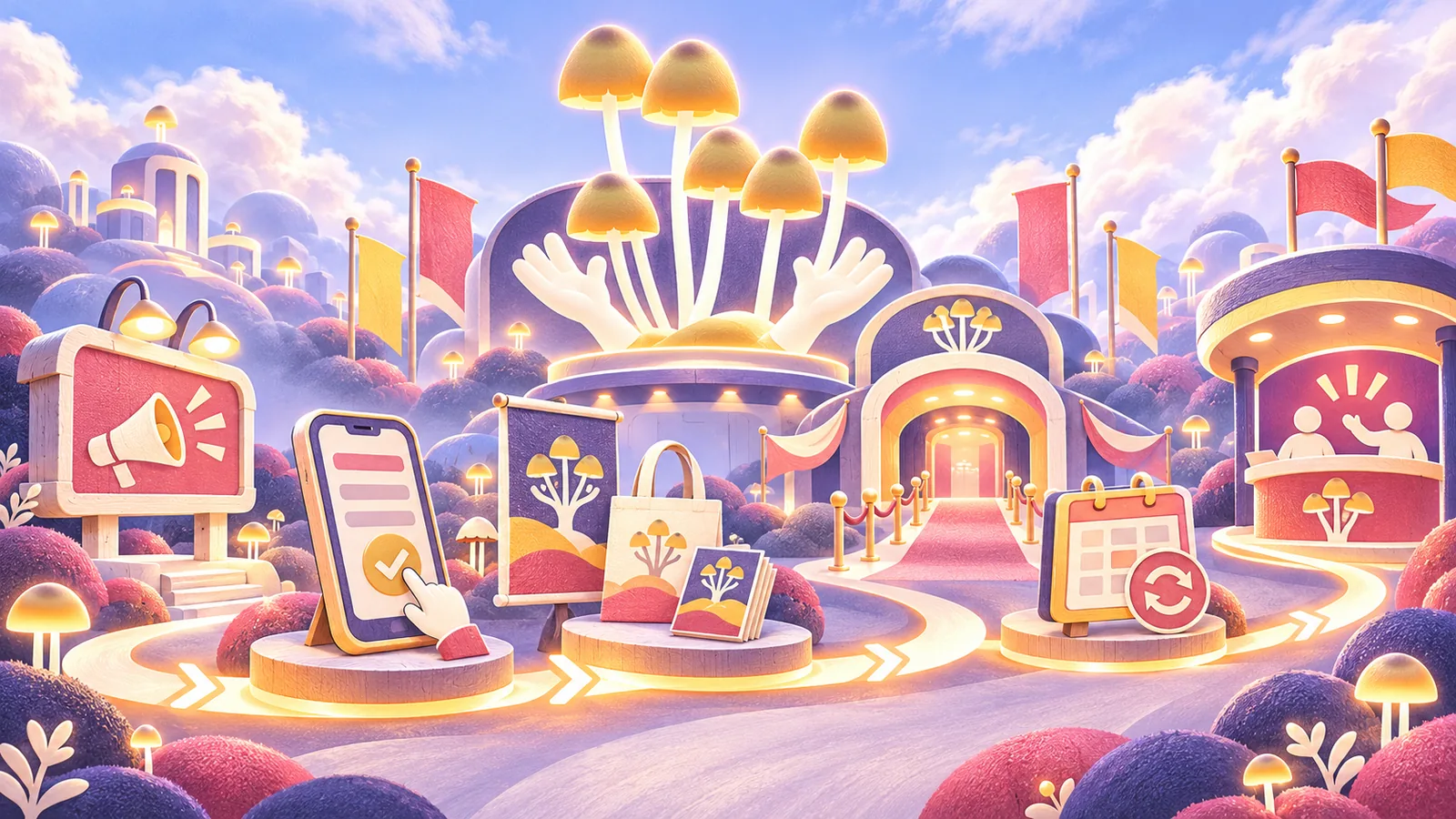
An event campaign carries one recognisable idea from announcement to venue. It must work for promotion, practical information, partners, and last-minute change.
Common tools
- Figma
- Adobe Illustrator
- Adobe InDesign
Skills in play
- Concept development
- Systems thinking
- Spatial reasoning
What it is
An event campaign is the planned communication that moves someone from first awareness to participation. It includes the visual identity, but also the message sequence: what the event is, who it serves, when and where it happens, why it matters, and what someone should do next. The design may appear in a tiny listing, a ticketing page, a street poster, an email, a partner template, and the venue itself.
Unlike a one-off advertisement, an event changes as it approaches. Speakers are announced, sessions fill, venues change, accessibility information becomes available, and time-sensitive reminders replace early invitations. A good campaign system handles those changes without forcing the team to invent a new look every week.
Build the campaign from the event promise
Clarify what the event offers and to whom. A public festival, trade conference, local workshop, and ticketed performance have different reasons for attendance. Write the main proposition in ordinary language before creating a visual device. Include the practical barriers: cost, travel, registration, language, time, and whether a person feels welcome.
Map the information people need at each stage. Early promotion may explain the idea and date. Consideration needs programme, location, price, and evidence of value. Registration needs a clear action and confirmation. Near the event, people need arrival instructions, schedule changes, and a route to help. If the campaign looks coherent but people cannot find the address or access information, it has failed a basic job.
Design a flexible visual grammar
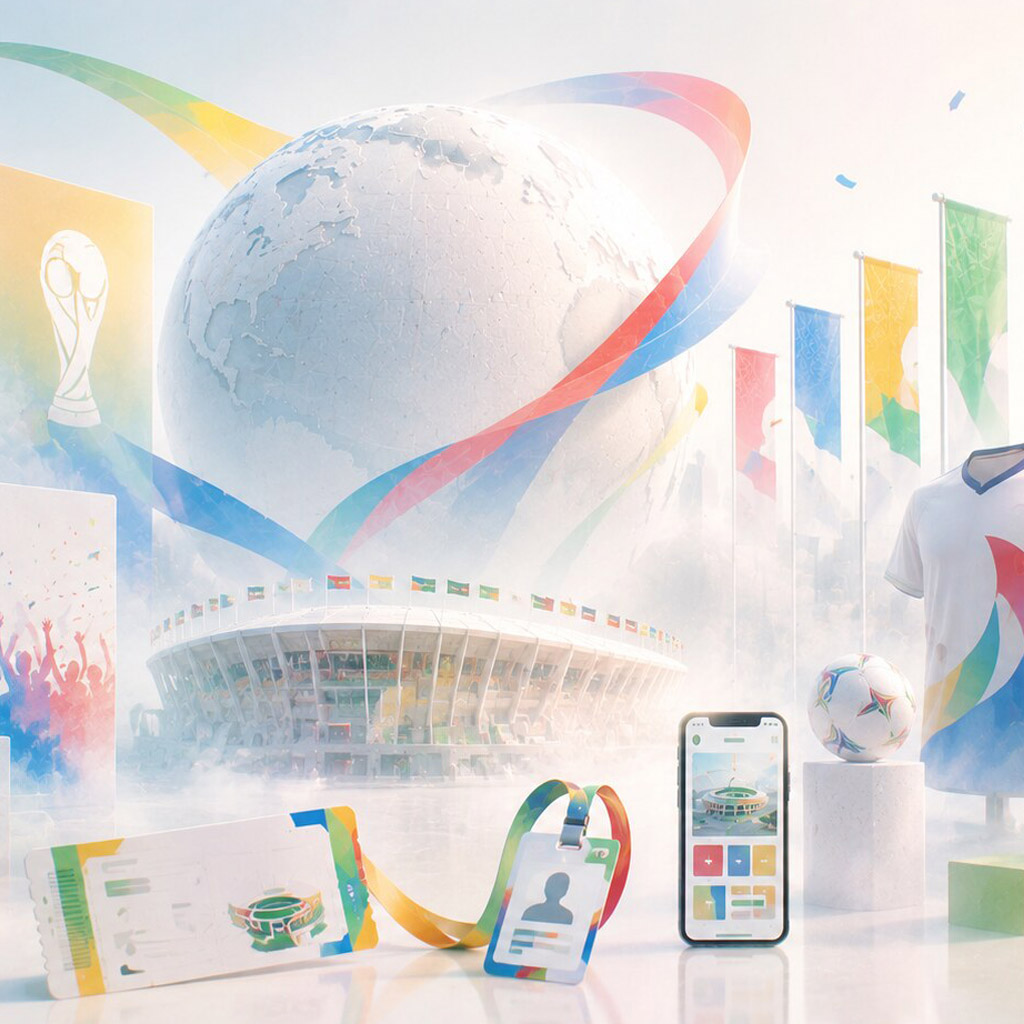
Define a few recognition anchors: a typographic voice, colour relationship, image direction, spatial motif, or motion rule. Build them into a campaign concept that can carry a short announcement and a dense programme. Separate fixed identity elements from variable content so new venues, partners, and session titles do not break the layout.
Domenic Lippa’s London Design Festival work is a useful example of a recurring event identity that changes with each edition while retaining continuity. Pentagram’s 2025 account describes a typographic thread that works across print, digital, and motion. Study how the idea expands to real formats, not just how the hero image looks.
Create a sequence, not a pile of assets
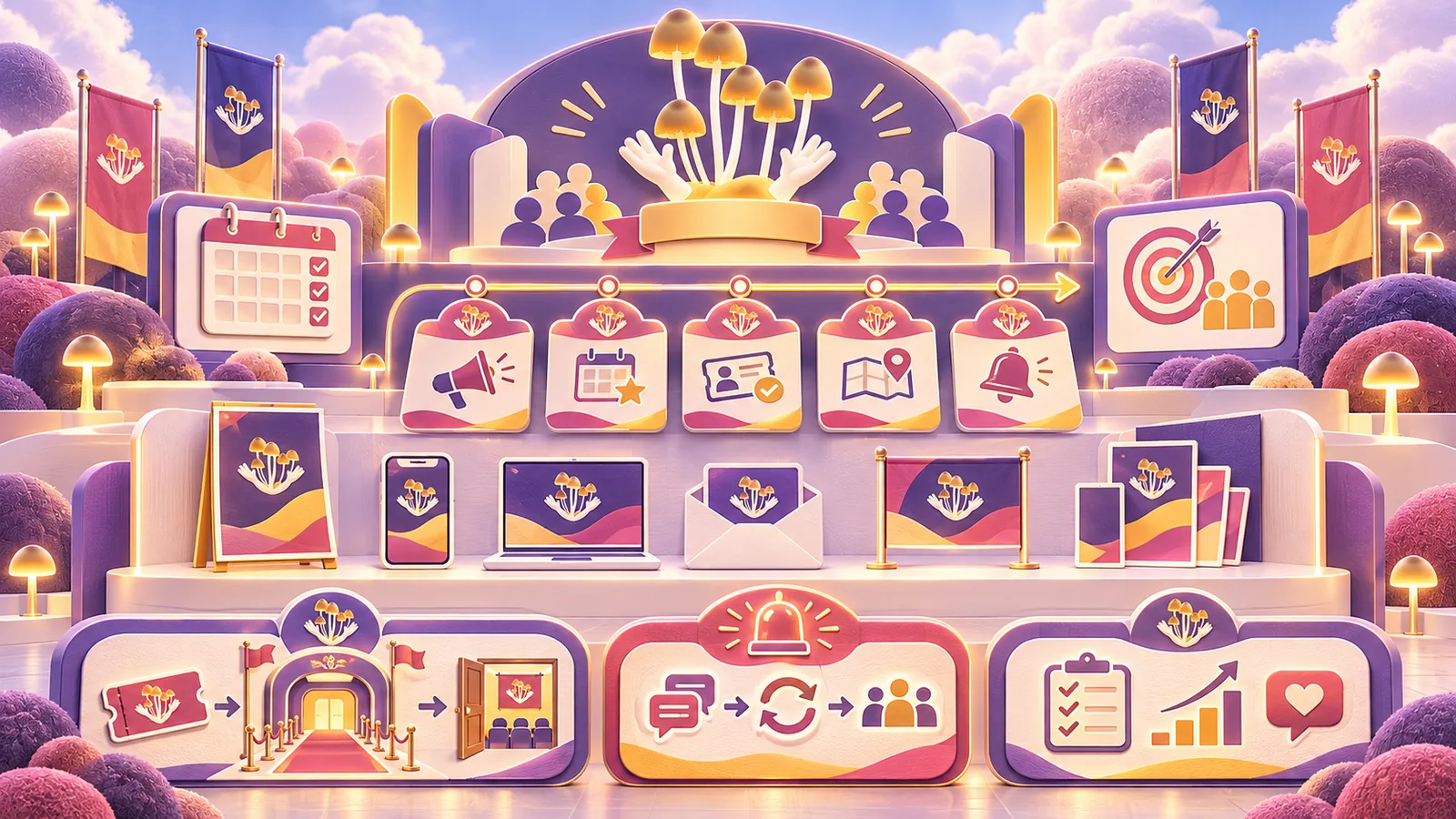
Plan the release calendar. Decide what audiences must know first, what new information is genuinely worth another contact, and when reminder messages become useful. Make a small family of templates for announcement, programme highlight, practical update, and last call. Each piece should make sense when encountered alone; social posts and posters are rarely seen in order.
Give partners a restrained toolkit with current logos, approved wording, image rights, and a clear date for replacing old materials. A city-wide event may have many independent organisers. Their work needs enough freedom to be useful while preserving essential facts and recognisable cues.
Connect promotion to the experience on site
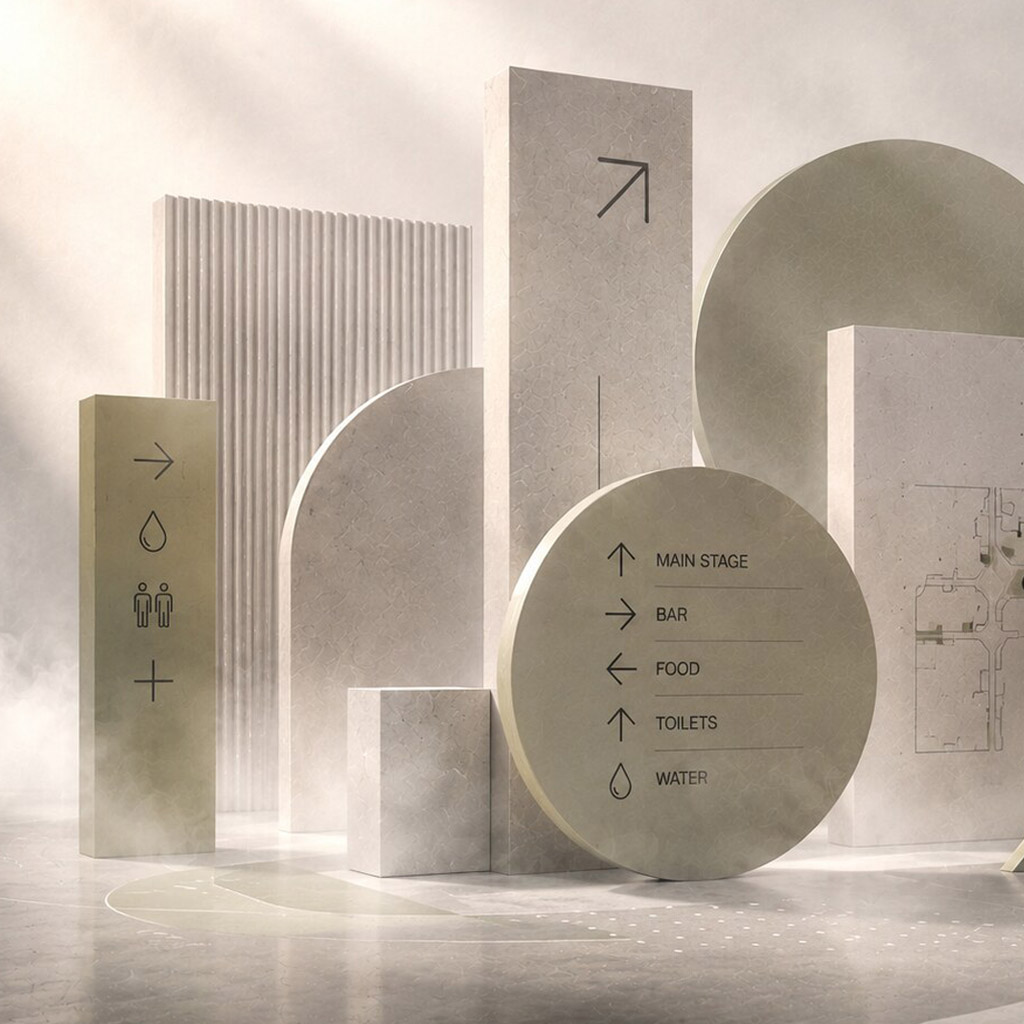
The campaign should lead into the event and conference graphics rather than ending at the entrance. Reuse names, colours, symbols, and language where they help visitors recognise a route. Test the transition from ticket or email to arrival sign, registration desk, timetable, and room door.
Prepare a change protocol. Who updates the website when a session moves? Who approves an urgent print notice? Which information source is authoritative when a poster, app, and venue display disagree? A campaign that can communicate cancellation or access changes clearly is more trustworthy than one that only works when everything goes to plan.
Test and evaluate
Show early materials to people outside the event team. Ask them to explain what the event is, when it happens, who it is for, and what they would do next. Test the registration path on a phone and check the confirmation message. Afterward, compare attendance and completion data with the campaign’s objectives, and collect reasons from people who considered attending but did not.
Practical checks
- Can every major asset answer the relevant practical questions without relying on another post?
- Does the visual system survive long speaker names, partner marks, and schedule changes?
- Can a visitor carry what they learned online into the physical venue?
- Is there one reliable source for urgent event information?
Common mistake
Designing only for the announcement moment. An event campaign lasts through registration, attendance, and change. Make the system useful at each point in that journey.
People and practice