In brief
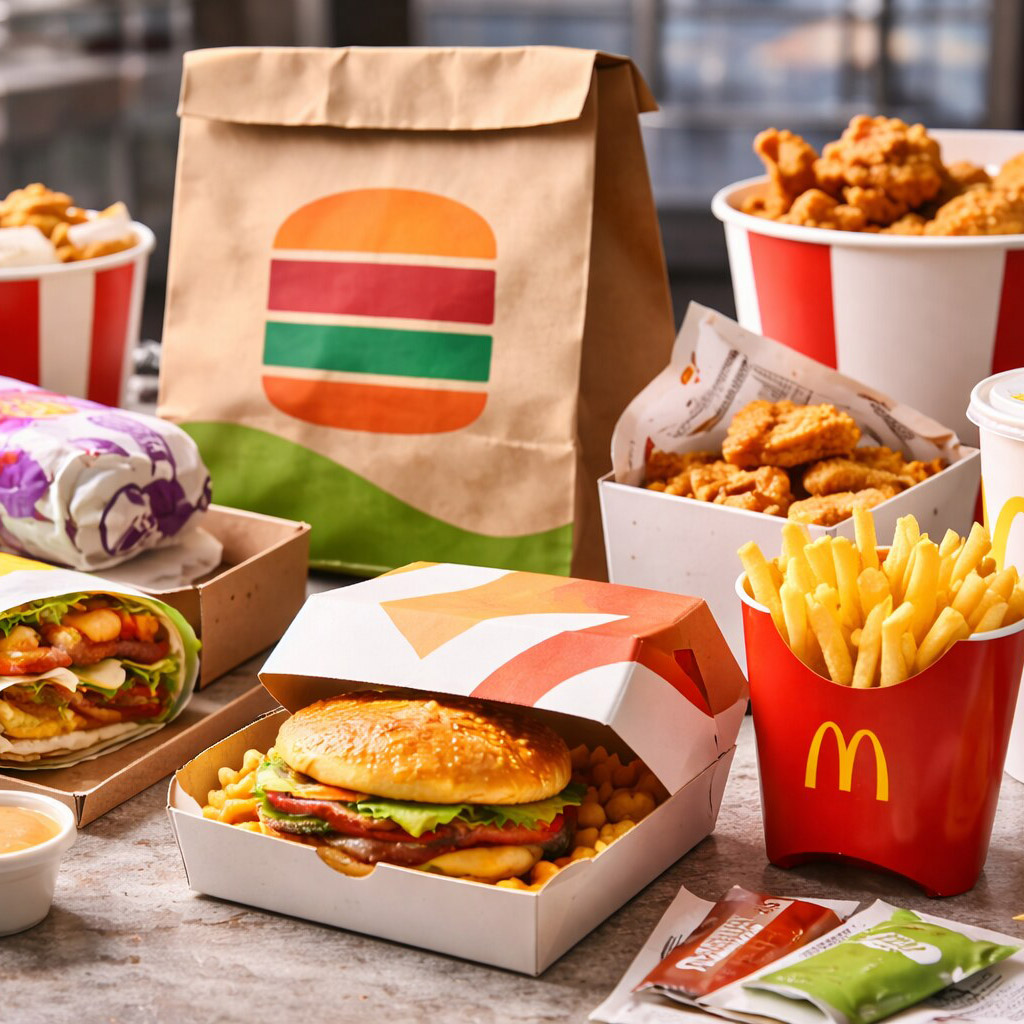
Consumer packaging is an interface between a product and a person. It must attract, explain, protect, open, and remain usable after purchase.

Common tools
- Adobe Illustrator
- Adobe Photoshop
- Browser tools
Skills in play
- Systems thinking
- Technical accuracy
- User testing
What it is
Consumer packaging is the physical and graphic system through which a product is presented, identified, explained, stored, and used. It includes the container or structure, front and back information, materials, opening experience, and the way variants appear together. The outer pack may carry the first impression; the product in someone’s hands has to fulfil it.
Different categories have different legal, safety, and information requirements. This guide describes the design method, not a substitute for category-specific regulatory review. Bring the relevant compliance and production specialists into the project early.
Map the complete encounter
Observe how the product is found: on a shelf, in search results, in a delivery box, or beside competing items. Then follow it home. Where does a person look for variant, quantity, instructions, storage advice, or disposal information? How is it opened and resealed? Which face is visible in a cupboard or bathroom? These moments influence the hierarchy more than a flat front-panel mock-up does.
List the non-negotiables: product identity, required statements, codes, dimensions, substrates, printing method, and available panel areas. Separate content that must be prominent from content that only needs to be findable. The information architecture should be agreed before the front face becomes too precious to change.
Build from structure outward
Understand the object
Design on an accurate dieline or prototype. Folds, curves, seams, closures, and viewing angles alter apparent alignment and available space. Test where fingers grip and where labels crease. A beautifully balanced flat file can fail once wrapped around a small bottle or folded into a carton.
Coordinate with structural and production partners on material, print process, colour, finish, and tolerances. Choose effects for a reason: a matte surface may fit the brand but alter contrast; a transparent window may reveal the product but reduce room for required information. Check environmental claims and material choices with the people responsible for substantiation and sourcing.
Make the product easy to choose
Establish a recognition hierarchy: brand, product type, variant, principal benefit, and any essential qualifiers. The order depends on the purchase decision. If variants are similar, make their distinguishing information obvious without relying on colour alone. Check the pack within a real shelf set or shopping grid, not just enlarged on a white screen.
Prototype at actual size with plausible contents. Ask people to identify the product, distinguish variants, and find key information without guidance. Note where they turn the pack and what they miss. This is especially important when a family extends across very different forms.
Production and stewardship
Prepare artwork using the printer’s specifications and approved dieline. Keep mandatory content and codes separate from decorative layers, maintain an auditable copy source, and proof every variant. Recheck line breaks, units, contrast, registration, and code placement on the final physical sample. A successful master design is not permission to skip variant-level proofing.
Document the graphic rules, production files, approved materials, photography angles, and ownership of future updates. Packaging often changes because the product, ingredients, supplier, or regulation changes. A maintainable system makes those changes safer and less costly.
Common mistake
Designing the front as an advertisement while treating the rest of the pack as leftover space. Packaging is a complete object. The back, sides, opening, and use experience are part of the communication—and part of whether the design earns trust.
People and practice